
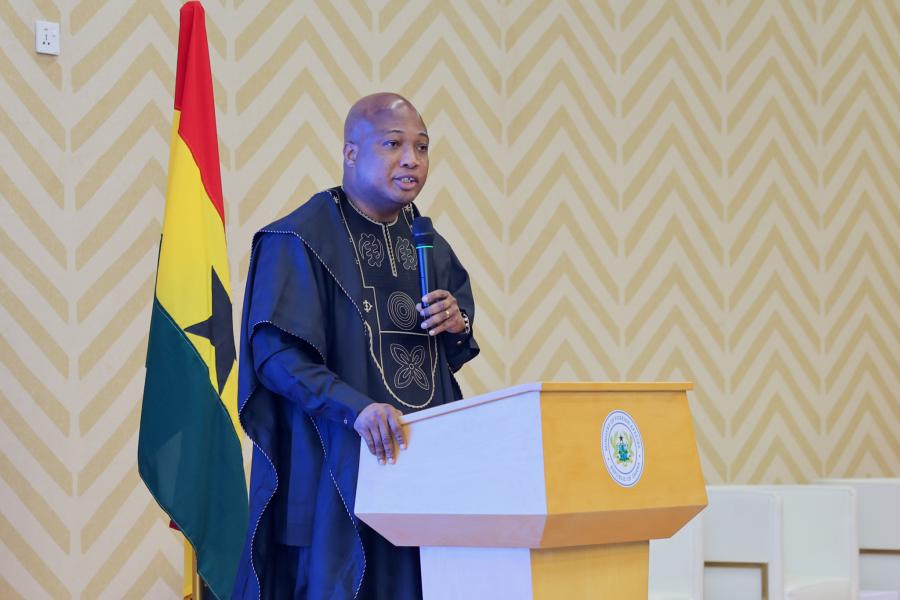
Ghana’s Minister for Foreign Affairs, Samuel Okudzeto Ablakwa, has outlined the significance of a landmark United Nations resolution declaring the transatlantic slave trade as the gravest crime against humanity.
Speaking on the development, Ablakwa described the resolution as a major step toward historical justice and global acknowledgment of the immense suffering endured by millions of Africans during centuries of slavery.
He noted that the move reinforces the need for accountability and sustained international dialogue on reparatory justice.
According to him, the resolution goes beyond symbolic recognition, serving as a foundation for renewed global efforts to address the long-term consequences of slavery, including economic disparities and systemic inequalities affecting descendants of enslaved people.
Ablakwa emphasized that Ghana played a leading role in rallying international support for the resolution at the United Nations, securing backing from countries across different regions of the world.
He commended member states that supported the initiative, describing their solidarity as a demonstration of shared commitment to justice and human dignity.
He further noted that the resolution marks the beginning of a broader process aimed at achieving comprehensive reparations, adding that Ghana remains committed to sustaining the coalition built around the cause.
The Minister also encouraged countries that did not initially support the resolution to reconsider their position and join the global effort to address the legacy of slavery.
The adoption of the resolution is expected to intensify conversations around reparatory justice, with Ghana positioning itself at the forefront of advocacy for recognition, accountability, and healing on the international stage.