The Pan African Lawyers Union (PALU) has warned that any country choosing to abstain or vote against Ghana’s proposed UN resolution on the transatlantic trafficking and enslavement of Africans risks being judged harshly by history.
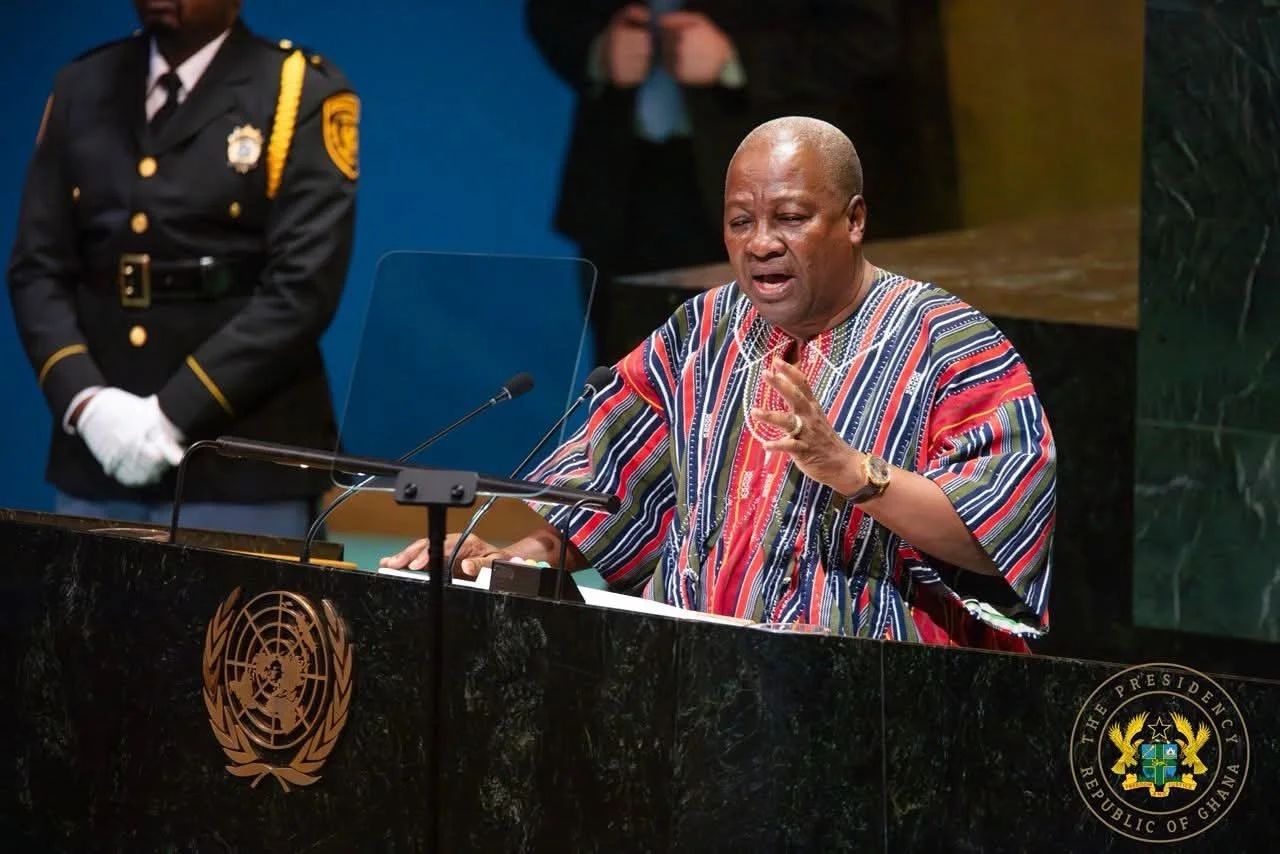
The resolution, championed by John Dramani Mahama, seeks to formally recognise the atrocity as the gravest crime against humanity.
In a strongly worded statement dated March 18, 2026, PALU argued that the transatlantic slave trade was not an isolated historical event but a “foundational rupture” that reshaped global systems.
According to the organisation, the scale, duration, and systemic nature of racialised chattel enslavement set it apart as an “absolute crime” with consequences still felt across generations.
“We affirm that the trafficking and racialized chattel enslavement of Africans was not merely an isolated crime, but a foundational rupture that reshaped the world for all peoples,” the statement emphasised.
“It generated the wealth that fueled the rise of the current global infrastructure and fundamentally transformed political, legal, and economic systems.”
PALU stressed that recognising the atrocity at the United Nations would not be about ranking crimes but rather about articulating historical truth.
It added that such recognition is essential for justice, accountability, and reconciliation, particularly given the continued socio-economic and cultural impacts on African and diaspora communities.
“For these reasons, an abstention or vote against this resolution would place our continent, and the broader international community on the wrong side of history,” PALU cautioned.
“The adoption of this resolution is not only a moral and historical imperative, but also an opportunity to foster healing and build genuine global solidarity.”