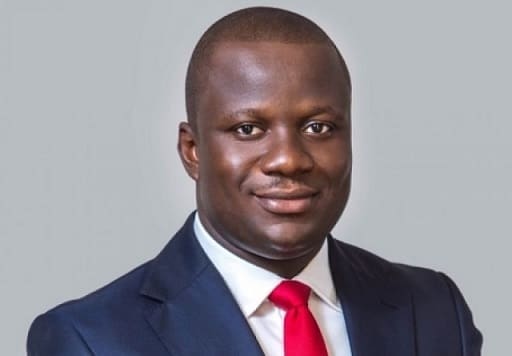

Samuel Abu Jinapor, Member of Parliament for Damongo and a member of Ghana’s Foreign Affairs Committee, has renewed calls for the government to submit the Ghana US deportee agreement to Parliament for ratification following the controversy over a Salvadoran national’s planned deportation to Ghana.
The opposition lawmaker’s statement comes after government officials confirmed Friday that Kilmar Abrego Garcia, reportedly facing deportation from the United States, will not be sent to Ghana. The clarification followed an October 10 report by ABC News that the US Department of Homeland Security planned to deport Garcia under the Ghana US deportee agreement.
“The constitutional requirement that such agreements be laid before Parliament is intended to safeguard the sovereignty of our Republic and ensure that executive actions remain consistent with the rule of law,” Jinapor stated in a social media post.
He added that parliamentary scrutiny would allow the public to understand the full details of the arrangement and promote transparency. The Damongo MP has been at the forefront of opposition criticism regarding the agreement, which has sparked a constitutional debate about executive powers versus parliamentary oversight.
Samuel Okudzeto Ablakwa, Ghana’s Minister for Foreign Affairs, has defended the arrangement, saying it applies only to a limited number of non criminal West Africans who may be received on humanitarian grounds, and not to criminal deportees. However, this explanation has not satisfied critics who question how such distinctions would be enforced in practice.
The Garcia case appears to have vindicated concerns raised by Jinapor and other opposition figures about potential abuse of the agreement. The attempt to deport a Salvadoran national to Ghana under an arrangement ostensibly designed for West Africans raised red flags about how the deal might be interpreted or exploited by US authorities.
Parliament is scheduled to resume on October 21, providing an opportunity for the government to present the agreement for ratification if it chooses to do so. However, the government has maintained that the arrangement is a Memorandum of Understanding rather than a treaty, and therefore does not require parliamentary approval under Article 75 of the Constitution.
This distinction has become the crux of the legal and political dispute. The Minority contends that any agreement with significant implications for national sovereignty and citizen welfare should be subject to parliamentary scrutiny regardless of its technical classification. The government argues it is operating within its constitutional authority.
The Ghana US deportee agreement has faced scrutiny from multiple angles, with some suggesting it may be linked to recent US visa concessions for Ghanaian citizens. Officials have denied any such connection, insisting the deportee arrangement and visa policy changes are separate matters handled through different channels.
However, the timing of both developments has fueled speculation about potential quid pro quo arrangements. Ghana recently benefited from relaxed visa requirements for certain categories of travelers to the United States, a development celebrated by many Ghanaians who previously faced lengthy and expensive visa application processes.
The controversy has also raised broader questions about Ghana’s foreign policy decision making processes and the balance between executive flexibility and democratic accountability. Critics argue that agreements with far reaching implications should not be concluded without public and parliamentary input, regardless of legal technicalities.
Civil society organizations have joined calls for transparency, with some demanding that the full text of the agreement be made public to allow informed debate. The government has released limited information about the arrangement, contributing to public suspicion and conspiracy theories about its true scope and implications.
The issue has also exposed divisions within Ghana’s political class about how to manage relations with powerful allies like the United States. Some argue that small countries like Ghana must sometimes make uncomfortable compromises to maintain good relations with major powers, while others insist that sovereignty and constitutional processes should never be compromised.
As Parliament prepares to reconvene later this month, all eyes will be on whether the government yields to pressure and presents the agreement for legislative scrutiny. The outcome could set important precedents for how future international agreements are handled and what level of transparency citizens can expect from their government.