
By Kizito CUDJOE
A coalition of African civil society organisations and public health experts has warned that the continent can no longer rely on donor-funded healthcare, citing a sharp decline in foreign aid and mounting debt pressures that are forcing many governments to spend more on interest payments than on public health.
The warning comes as African heads of state gather in Addis Ababa for the African Union summit, with health advocates saying the continent’s health systems face an urgent financing crisis.
Speaking during a webinar titled “Africa Leadership for Health Sovereignty,” convened by the AIDS Healthcare Foundation (AHF) Africa, Africa REACH, WACI Health and RANA, experts said African governments are struggling to balance rising debt, growing disease burdens and weak domestic revenues.
Africa accounts for about 23 percent of the global disease burden but just 1 percent of global health expenditure, according to data presented during the discussion. Speakers estimated the continent faces an annual health financing gap of roughly US$66 billion.
They also pointed to what they described as unequal global financing conditions, with many African countries borrowing at interest rates of around 10 percent, compared with 2 percent to 3 percent for high-income countries.
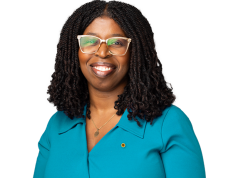
AHF Executive Vice President, Dr Penninah Iutung, said the traditional charity-based global health model was no longer viable, arguing that debt servicing was crowding out essential health spending in many countries.
“When 34 countries are spending more on debt service than on life-saving medicines, that is no longer just an economic issue,” she said. “It is a moral one.”
She called on African leaders to negotiate collectively with creditors and development partners, warning that the continent remains heavily dependent on imports for critical health products, including vaccines.
Participants said the situation has been worsened by a pullback in donor funding, including the termination of thousands of U.S. Agency for International Development (USAID) awards and reduced European aid, leaving gaps that domestic budgets have been unable to fill.
Most African governments allocate between 7 percent and 8 percent of national budgets to health, short of the 15 percent target agreed under the 2001 Abuja Declaration, speakers said.
Globally, about 4.5 billion people lack access to essential health services, with the majority living in low- and middle-income countries, according to figures cited during the webinar.
The Executive Director of WACI Health, Rosemary Mburu, said “health sovereignty” did not mean isolationism but smarter industrial and policy choices to strengthen domestic health systems.
“The resources exist,” Mburu said. “What is missing is prioritisation and urgency.”
AHF Africa Bureau Chief, Martin Matabishi, warned that chronic underfunding of health systems posed risks beyond social welfare, describing it as a growing threat to political and economic stability.
“If governments continue to prioritise creditors over health workers, they are choosing fragility over long-term resilience,” he said.
The coalition issued a call to action ahead of the AU summit, read by Tolessa Olana Daba of AHF Ethiopia, urging leaders to shift from reliance on development assistance to long-term investment in health.
The group called for a unified African approach to debt renegotiation, faster implementation of the African Medicines Agency to support local pharmaceutical production, and health policies that prioritise vulnerable populations facing climate-related health risks.
“Sovereignty is not optional,” Daba said. “It is essential for the survival and prosperity of the continent.”
Post Views: 24
Discover more from The Business & Financial Times
Subscribe to get the latest posts sent to your email.