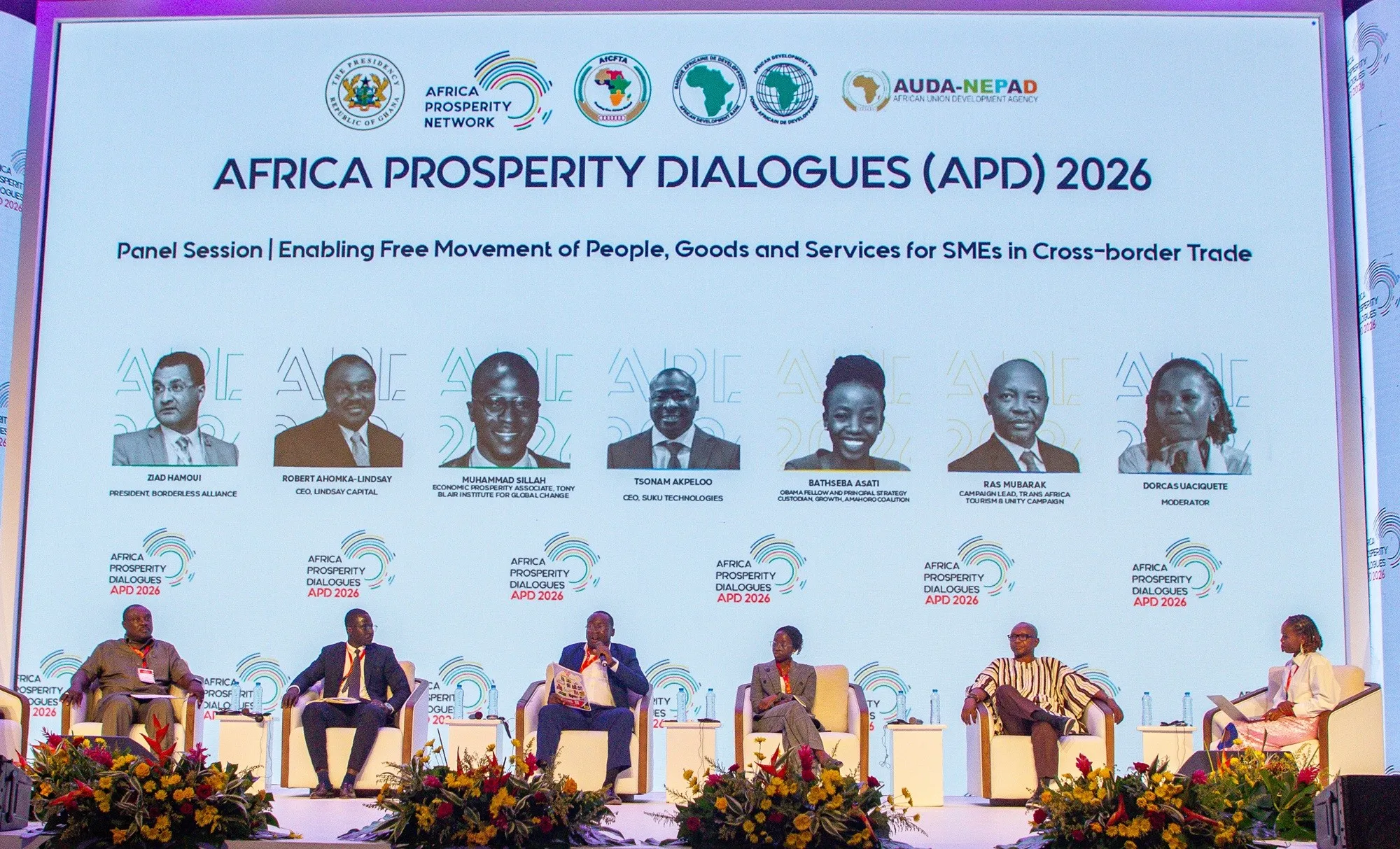

From 4–6 February 2026, Amahoro Coalition joined the Africa Prosperity Dialogues (APD 2026) in Accra, Ghana.
The gathering brought together political leaders, young innovators, entrepreneurs, women’s and youth organisations and Small and Medium Enterprises (SMEs) from across the continent to advance conversations on economic integration and inclusive growth.
Now in its fourth year, APD has grown from a forum for discussion into a catalyst for action on Africa’s shared economic future, particularly under the African Continental Free Trade Area (AfCFTA).
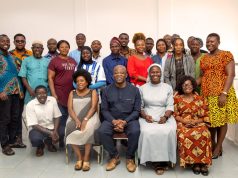
Conversations about trade, innovation and the future of Africa’s single market reached far beyond policy theory. Amahoro leaders and Fellows were in the room, contributing practical insight on mobility, youth enterprise and economic inclusion for displaced communities across the continent.

“Our research at Amahoro has shown that when it comes to movement and trade there are no stark differences in terms of experience between refugees and non-refugees,” explains Bathsheba Asati, Amahoro’s Principal Strategy Custodian – Growth. “That is, where policies work, they work for both and where they don’t work they work for both”.
Speaking on the panel ‘Africa’s Future is Borderless: When Our Youth Turn Creativity into Currency, Displacement into Mobility, and AfCFTA into a Launchpad for Global Soft Power’, Asati highlighted the role of youth creativity and mobility in building a more connected Africa.
Her contribution underscored a key message, in a continent advancing under AfCFTA, talent must be able to move, connect and thrive across borders. Young people, including those affected by forced displacement, are already turning digital skills, cultural expression and creative enterprise into income and influence. When mobility and market access improve, these efforts can scale, strengthening both livelihoods and Africa’s global cultural footprint.
According to Ms Asati, the way forward should be working with governments to implement existing commitments and policies as opposed to creating new ones. Additionally, collaboration between governments and the private sector will ensure that these protocols work.
“Whether mobility is legalised or not, people will always move, the question is do we want them to move formally or informally,” she quizzed. “The more limiting the policies are, the higher the cost and risk of movement.”
By bringing an inclusion lens to the discussion, Asati helped connect the promise of a borderless Africa to the realities faced by communities whose economic potential is often constrained by legal, geographic or systemic barriers. “For inclusive policy making, women and youth should be included in these decision-making conversations to understand how they operate and how they work,” says Asati.

APD 2026 also saw the launch of the ‘Make Africa Borderless Now’ Movement, an initiative calling for faster progress on mobility, trade integration and the practical implementation of AfCFTA. The movement’s goals strongly resonate with the Coalition’s mission. For many displaced and conflict-affected communities, borders are not just lines on a map, they shape access to markets, recognition of skills and the ability to build stable livelihoods.
Amahoro’s engagement around these conversations reinforced an important point: a truly borderless Africa must expand opportunity for those often excluded from formal economic systems, ensuring that mobility and trade integration translate into real economic inclusion.
Alongside institutional leaders, Amahoro Coalition’s Fellows also contributed to discussions on industrialisation, youth enterprise and green innovation. They demonstrated how businesses rooted in displacement-affected communities are creating jobs, adding value locally and engaging in cross-border trade. Together, these voices reflected the Coalition’s broader role: connecting lived realities, enterprise solutions and continental policy conversations.
Post Views: 1
Discover more from The Business & Financial Times
Subscribe to get the latest posts sent to your email.