

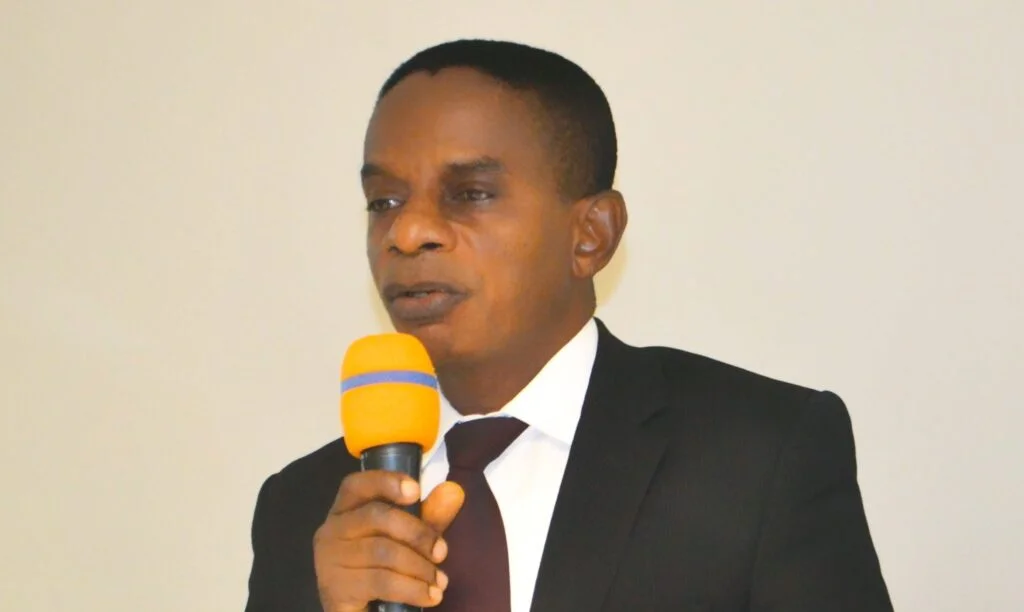
The Ghana Institution of Engineering (GhIE) has formally petitioned the Auditor-General to conduct an independent audit of the government’s GH¢110 billion “Big Push” road infrastructure programme over concerns about procurement practices and project delivery.
In the petition, the professional body called for a comprehensive technical review of the projects, emphasising that the massive scale of the investment requires rigorous scrutiny to protect the national interest.
The move follows investigative reports by The Fourth Estate, which highlighted the widespread use of single-source procurement and restricted tendering in the award of contracts under the Ministry of Roads and Highways. The reports raised questions about transparency, value for money, and adherence to public procurement laws.
From an engineering perspective, GhIE noted that approximately GH¢85 billion has already been committed to ongoing projects under the programme. The Institution stressed that such unprecedented public expenditure demands a credible and independent audit process.
While acknowledging President John Dramani Mahama’s directive for the Minister of Roads and Highways to respond to the allegations, GhIE maintained that only an independent audit by the Auditor-General can deliver objective findings and help restore public confidence.
The petition is grounded in Section 16 of the Audit Service Act, 2000 (Act 584), which empowers the Auditor-General to undertake special audits in the public interest and report directly to Parliament.
GhIE further recommended that the audit should extend beyond procurement processes to cover the entire project lifecycle. This includes feasibility studies, engineering designs, environmental and social impact compliance, as well as actual implementation. The Institution warned that weaknesses in any of these areas could compromise project cost, quality, and long-term sustainability.
The body also referenced the Public Procurement Act, 2003 (Act 663), which establishes competitive tendering as the default method, and the Public Investment Management Regulations, 2020 (LI 2411), which require proper feasibility assessments and inclusion of projects in an approved Public Investment Plan.
Adherence to these legal provisions, according to GhIE, is critical for ensuring transparency, fairness, and the efficient use of public resources. Any deviations, it cautioned, risk eroding public trust and undermining value for money.
The Institution emphasised that its intervention is not aimed at apportioning blame but at strengthening accountability, identifying systemic gaps, and ultimately improving infrastructure delivery across the country.
GhIE has offered to provide technical expertise to support the Auditor-General in conducting a thorough and credible audit. The call was first announced at a recent national induction ceremony for engineers and has since generated significant public interest.
The Institution urged swift action to uphold transparency, accountability, and value for money in the execution of Ghana’s flagship road projects under the Big Push programme.