
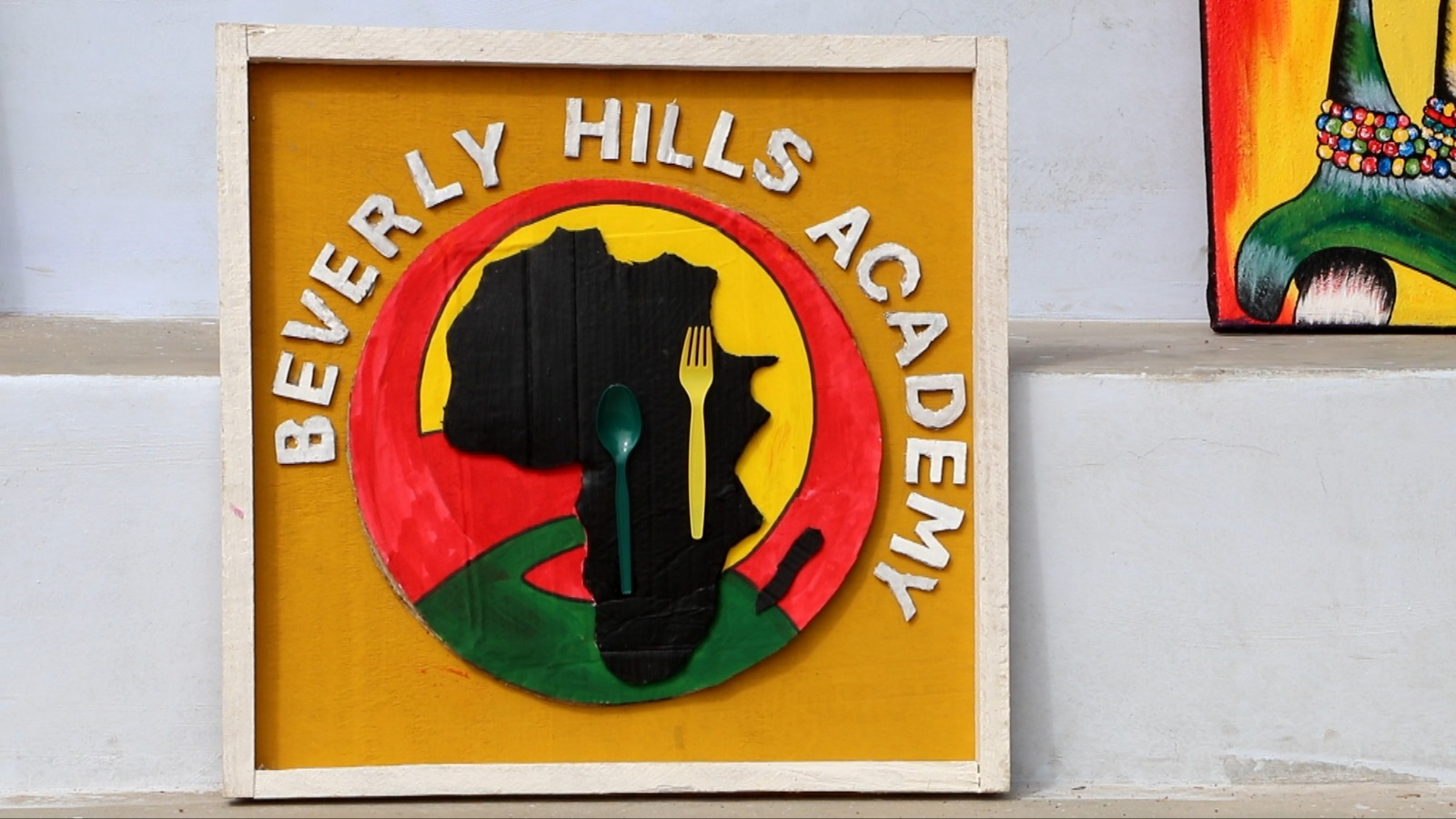
As part of the Ghana Heritage Month celebrations, Beverly Hills Academy, in collaboration with the Centre for Indigenous Knowledge and Organisational Development (CIKOD), has launched a bold initiative challenging students to prepare strictly indigenous African meals to combat the rising tide of youth lifestyle diseases.
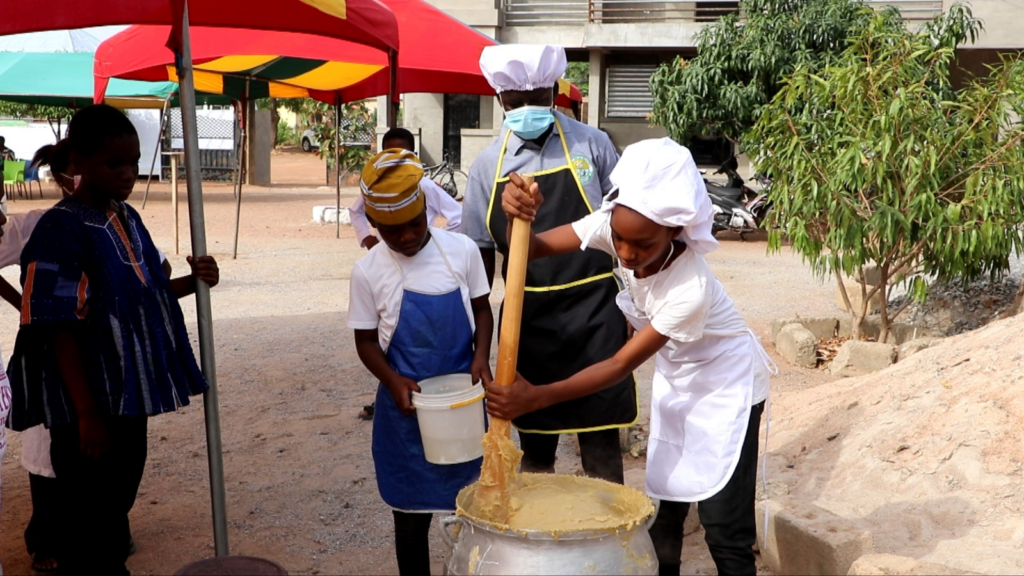
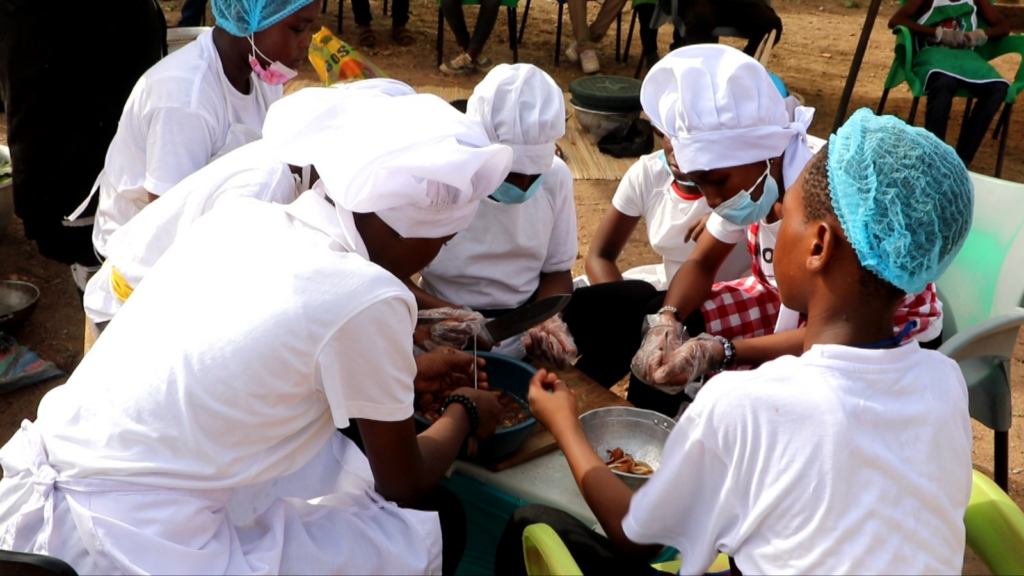
Under the banner of CIKOD’s “My Food is African” campaign, the school’s Heritage Week saw students proudly donning traditional attire and presenting regional dishes in authentic earthenware bowls and calabashes. Grouped into Ghana’s traditional 10 regions, students showcased a variety of local cuisines, including the Ashanti Region’s Eto—made from plantain and cocoyam—paired with goat pepper soup and a local ginger drink.
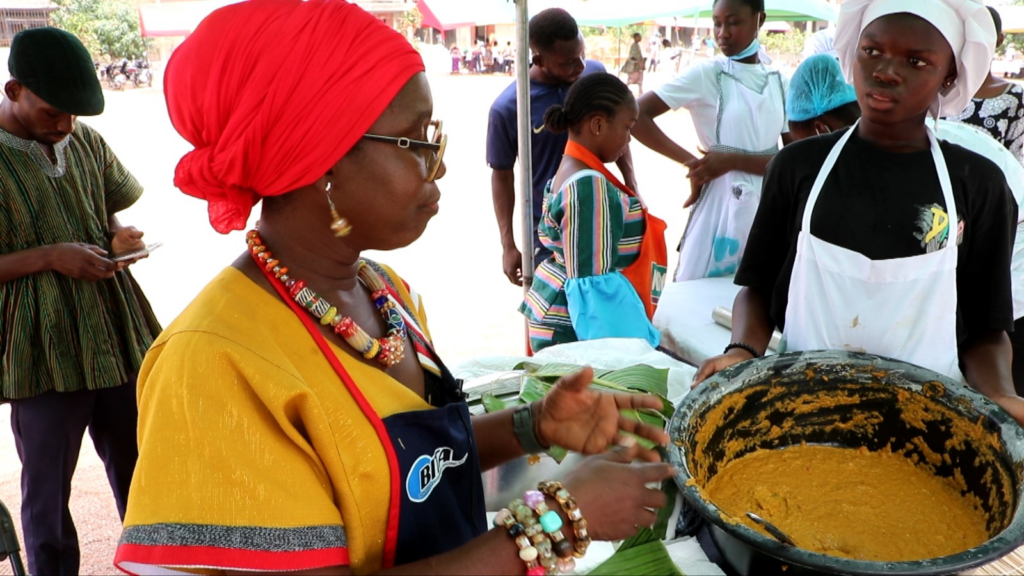
The CEO of Beverly Hills Academy, Pearl Churchill Ken-Arthur, explained that the hands-on practical is designed to educate the next generation on the life-saving benefits of local cuisine over synthetic, heavily processed alternatives.
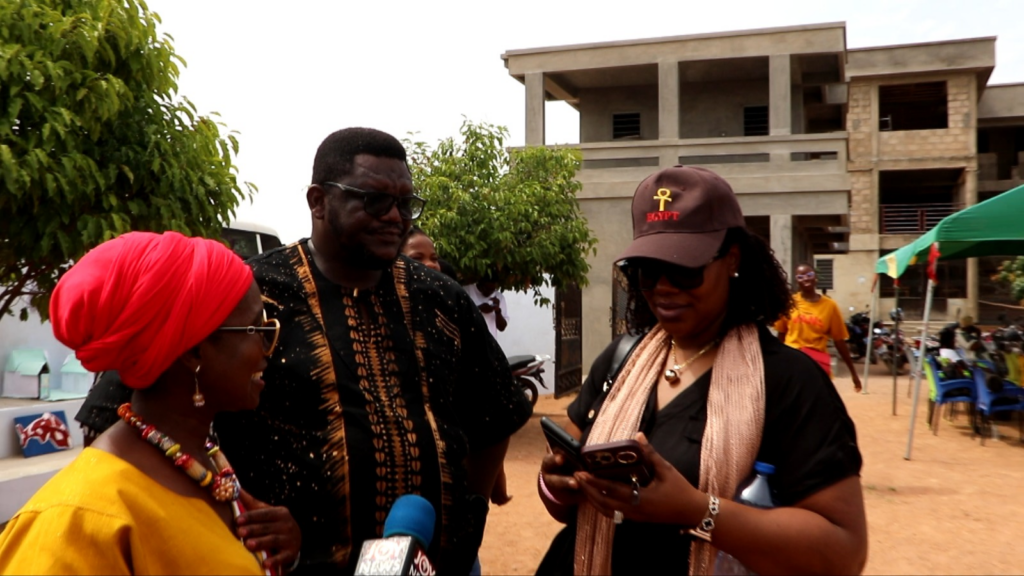
“We want our children to also learn the local food, how to prepare it, not the Indomies and the fried rice that is mixed up with so many things,” the CEO stated, noting that the school has completely banned carbonated beverages in favor of local drinks like Sobolo and Asaana. She highlighted the alarming rise of conditions like diabetes among 14- and 15-year-olds as a key driver for this institutional shift.
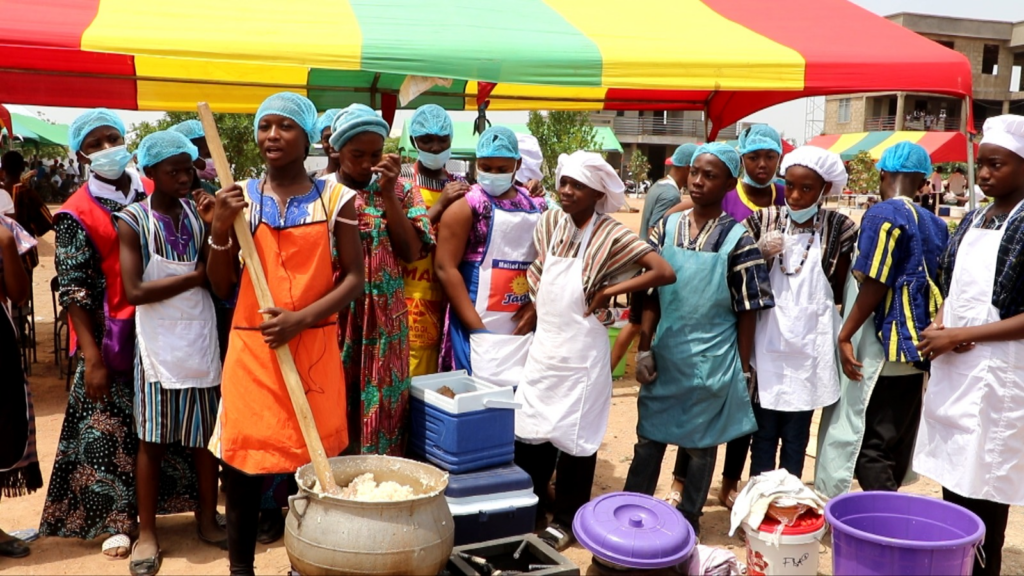
The Director of CIKOD, Banuoku Daniel, utilised the platform to call for sweeping national policy changes regarding food security and the protection of youth health. Addressing the students, he praised them for bringing the culinary brilliance of their ancestors to the fore, urging them to consume localised, diversified diets.
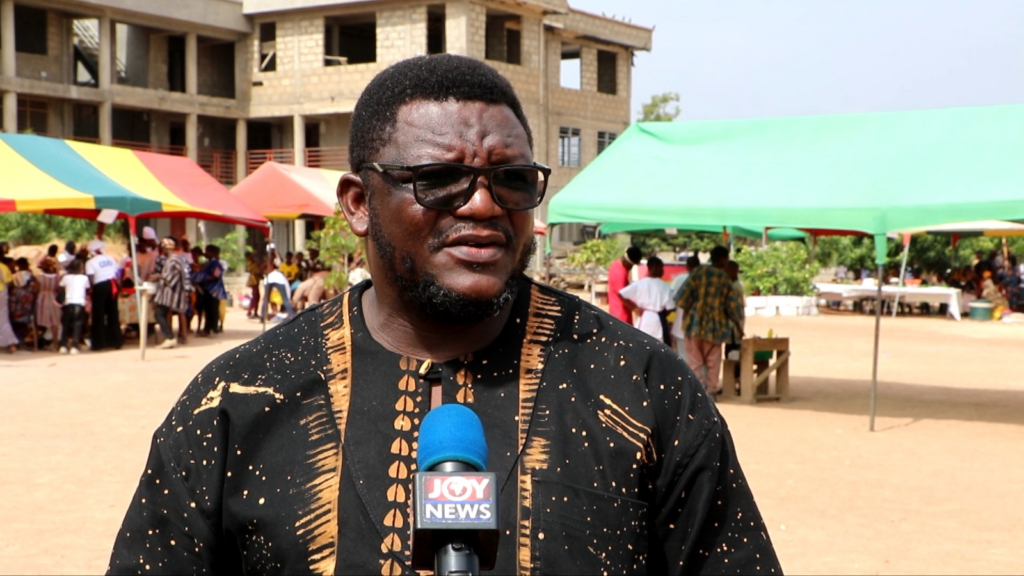
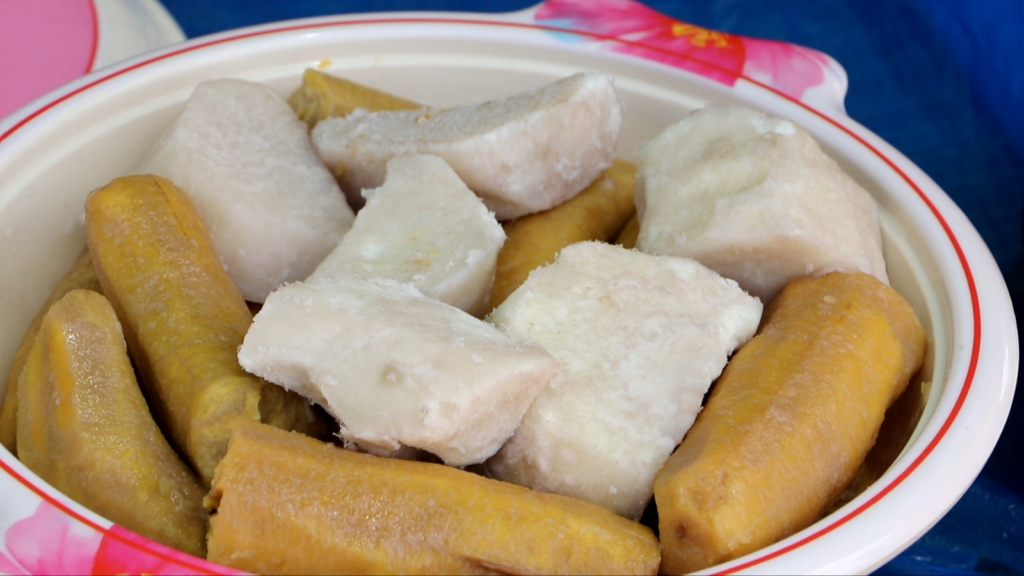
Speaking to Joy News, Director Banuoku outlined CIKOD’s ultimate legislative goals. “We want to wake up to a policy regime that prohibits the sale of carbonated ultra-processed foods among our youth,” he demanded, adding that the national buffer stock must be redesigned to prioritize food grown by Ghanaian farmers.
He expanded on the economic impact of the campaign, explaining that every cedi spent on local food directly empowers Ghanaian agriculture.
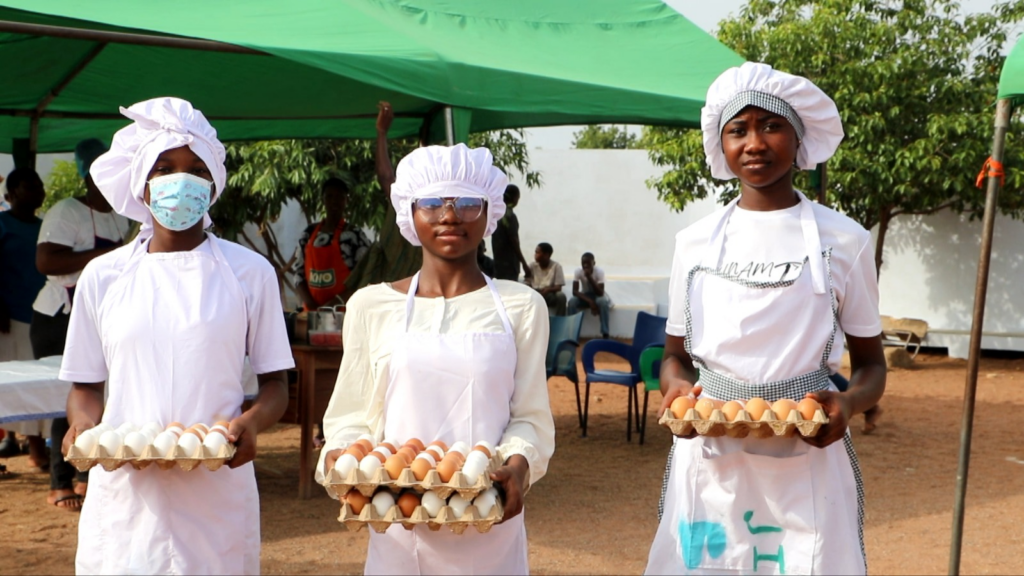
“When we spend one cedi on local rice, it is helping the farmer in Akpanduri,” he explained. “We spend one cedi on millet; it is helping the farmer in Walewale. We spend one cedi on palm nuts; it is helping the farmer somewhere in the forest area.”
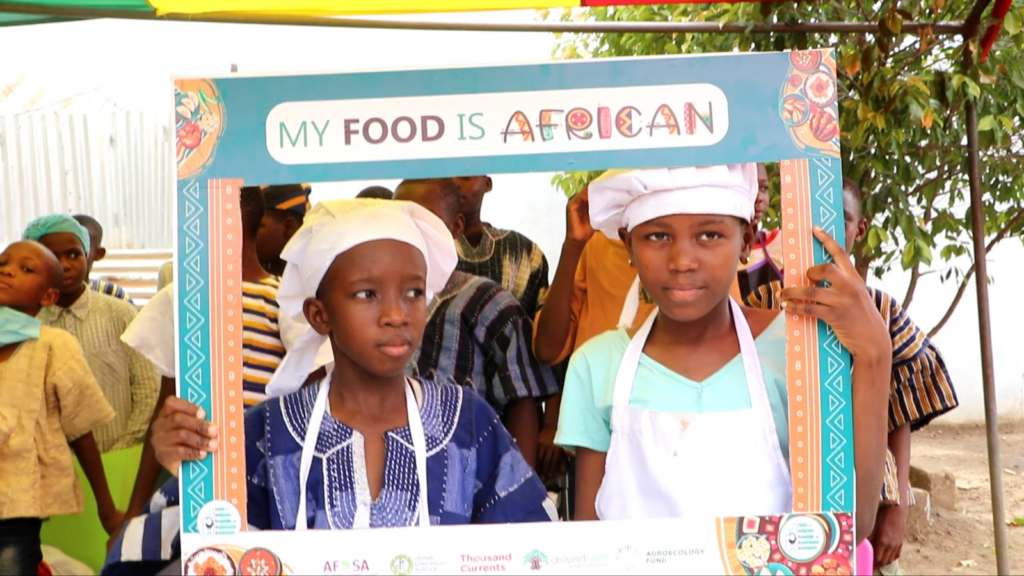
“Our food determines our health. Let’s eat our food as our medicine, and not our medicine as our food,” he urged, stressing that true independence is meaningless without “food sovereignty” and control over what the nation produces and consumes.
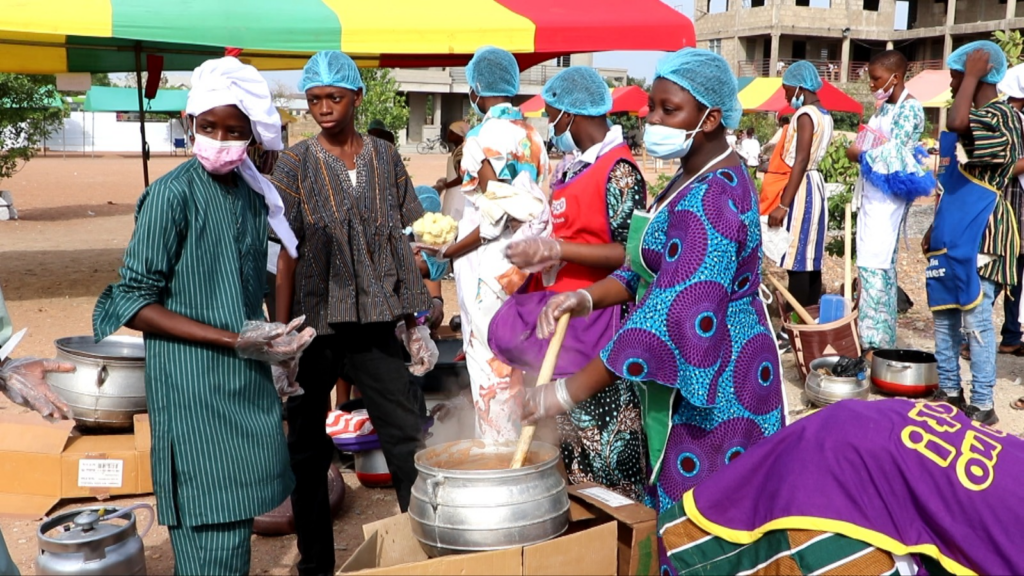
The impact of the My Food is African campaign is already expanding rapidly. Director Bannoku revealed that what started with six schools last year has now grown significantly. At the Independence Day parade, 18 newly appointed school ambassadors will address all participating students about the critical need to change their eating habits.
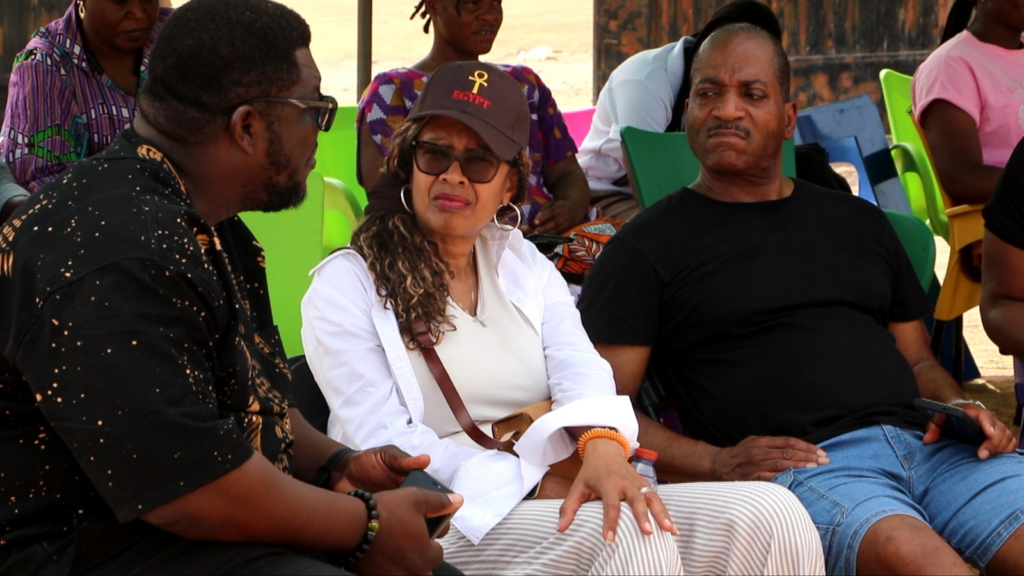
The vibrant display of Ghanaian culinary heritage even caught the attention of an unexpected international guest. Richard Mckeown, a filmmaker and licensed professor from New York visiting the region, praised the initiative for fostering deep national unity and cultural appreciation.
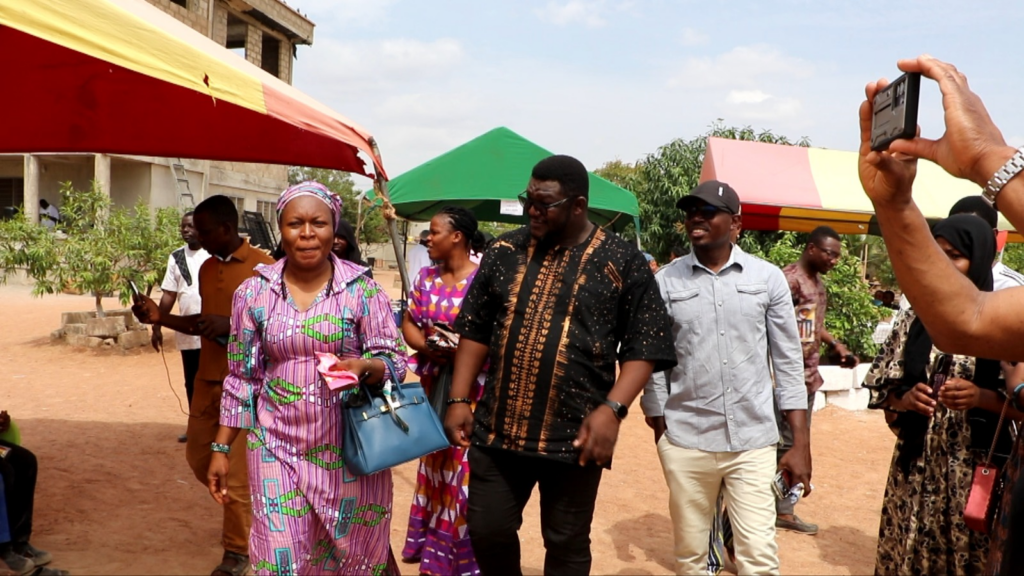
“When you have kids who are cooking, who are exploring cultures within their country, now we are creating a synchronicity and an appreciation of other cultures,” Mckeown noted.
He added that he was deeply moved by the pride the students exhibited while presenting their traditional dishes to the audience.
DISCLAIMER: The Views, Comments, Opinions, Contributions and Statements made by Readers and Contributors on this platform do not necessarily represent the views or policy of Multimedia Group Limited.
DISCLAIMER: The Views, Comments, Opinions, Contributions and Statements made by Readers and Contributors on this platform do not necessarily represent the views or policy of Multimedia Group Limited.
Source link