

By Emmanuel ENIMIL-ARMAH
“And help us to build a nation strong in unity and peace… Help us to resist oppressors’ rule with all our will and might forevermore.” These stirring words from God Bless Our Homeland Ghana capture both the spirit of Ghana’s struggle for freedom and the responsibility that independence places on every generation.
They remind us that independence was never meant to be merely a historic victory to commemorate each year; it was meant to inspire the continuous building of a stronger nation.
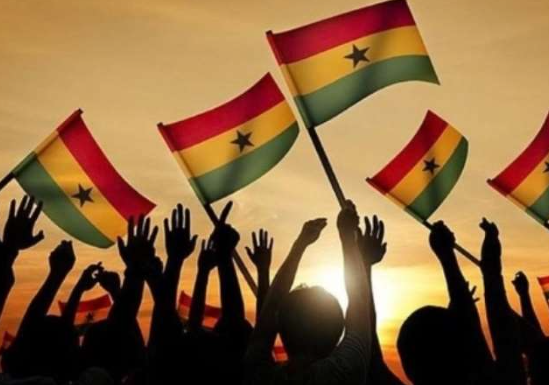
Every year on March 6, Ghanaians gather across the country to celebrate Ghana Independence Day. The occasion commemorates the historic moment in 1957 when Ghana became the first sub-Saharan African country to gain independence from colonial rule. It is a day of reflection, pride and patriotism.
Yet beyond parades, speeches and ceremonial gatherings lies an opportunity to give the celebration deeper economic and developmental meaning.
One practical way to achieve this would be to adopt a national policy that every Independence Day is marked by the commissioning of a major national or regional development project initiated the previous year. Such a policy would transform the celebration from a largely symbolic national event into a visible demonstration of Ghana’s continuous progress.
First, linking Independence Day to project commissioning would reinforce the spirit of national development. Independence was not only about political freedom; it was also about building a strong and prosperous nation.
By ensuring that each year’s celebration includes the inauguration of infrastructure such as hospitals, schools, factories, irrigation systems, roads or technology hubs, the nation would be reminded that independence must translate into tangible improvements in the lives of citizens.
Second, this approach would promote accountability in the execution of public projects. Too often, development projects in Ghana experience delays due to bureaucratic bottlenecks, funding challenges or weak monitoring systems. If governments adopt a tradition whereby at least one major national project must be completed and commissioned every Independence Day, ministries, departments and contractors will work toward clear timelines. This would encourage greater discipline in project management and strengthen public confidence in government programmes.
Third, commissioning projects on Independence Day would create a visible annual record of national progress. Imagine a situation where every March 6 marks the opening of a new hospital, university facility, agricultural processing plant or renewable energy project. Over a decade, the nation would build a remarkable portfolio of development milestones tied directly to its independence celebrations. These achievements would become powerful symbols of Ghana’s growth and resilience.
Furthermore, this approach could strengthen national unity. Instead of limiting celebrations largely to ceremonial parades in the capital or regional capitals, project commissioning could rotate across regions each year. One year the focus might be a major agricultural project in the Northern Region; the next year a technology hub in Greater Accra; and another year a transportation project in the Western Region. Such rotation would allow every part of the country to feel a stronger sense of inclusion in the national development agenda.
Additionally, such a policy could inspire future generations. Young Ghanaians observing Independence Day would see not only marching schoolchildren and speeches by national leaders, but also the birth of new infrastructure and opportunities. The message would be clear: independence is not merely a memory of the past—it is a continuous process of building the future.
Ultimately, independence is not only a memory of the past but also a responsibility for the present and the future. As we celebrate Ghana Independence Day each year, we should also demonstrate our collective commitment to national progress. By aligning the celebration with the commissioning of development projects initiated the previous year, the country can transform March 6 into a day that honours both its historic freedom and its continuing achievements.
Post Views: 1
Discover more from The Business & Financial Times
Subscribe to get the latest posts sent to your email.