
A new chapter in Africa’s evolving music landscape is set to unfold on Sunday, April 5, 2026, as M:E Entertainment, in collaboration with DAPO, prepares to host a defining electronic music event in Lagos.
For years, global narratives around African music have largely centered on Afrobeats, with Lagos firmly positioned as its cultural capital. Yet, beneath the mainstream spotlight, a vibrant electronic music movement has been steadily gaining ground. Across underground venues, late-night spaces, and intimate gatherings, a growing community of house music enthusiasts has been reshaping the city’s sonic identity.
M:E Entertainment has played a pivotal role in amplifying this movement. Their breakthrough moment came in March 2025 with the widely acclaimed “Rampa Lagos” event, which featured surprise appearances from Burna Boy and Olamide alongside internationally respected DJ Rampa. The event not only raised the bar for live entertainment in Nigeria but also signaled Lagos’ growing influence within the global electronic music scene.
Now, the organizers are taking things a step further.
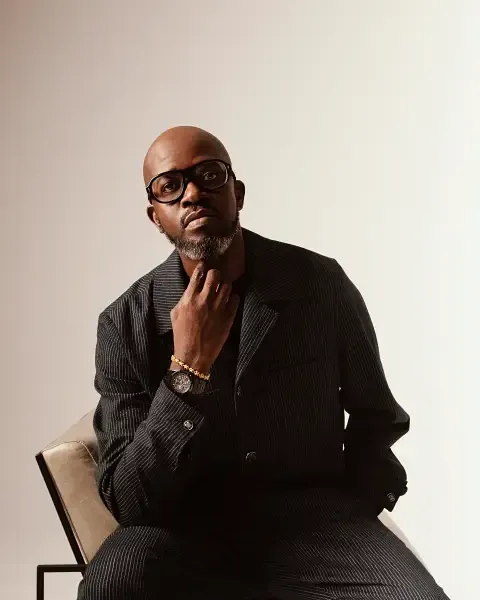
In what is being described as their most ambitious showcase yet, M:E Entertainment and DAPO will host Grammy Award-winning South African DJ and producer Black Coffee. Born Nkosinathi Innocent Maphumulo in Durban, Black Coffee is widely regarded as one of the most influential figures in electronic music, having propelled afro house onto some of the world’s most prestigious stages.
His performances at iconic venues such as DC10 Ibiza and Avant Gardner have cemented his reputation as a global tastemaker, bridging African sounds with international audiences.
The upcoming Lagos event represents more than just a headline performance—it symbolizes a cultural exchange. While South Africa pioneered afro house, Lagos is rapidly emerging as a new frontier for the genre, reinterpreting it through its own energy, audience, and creative identity.
On April 5, these two powerful narratives will converge, marking a significant moment not only for Lagos’ electronic scene but for the broader trajectory of African music on the global stage.