
By Ernest Bako WUBONTO
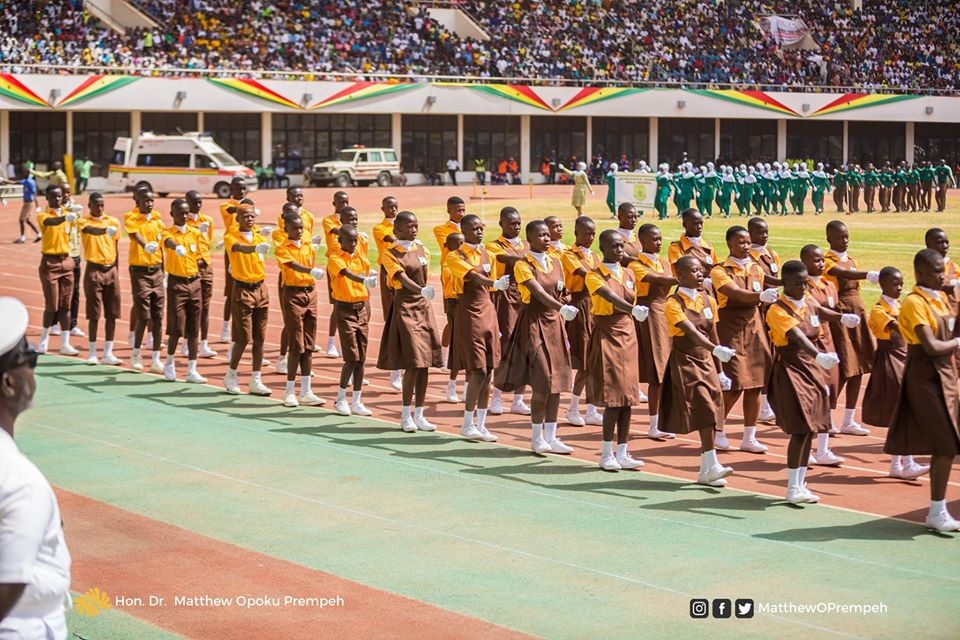
As Ghana celebrated its 69th Independence Day on March 6, 2026 under the theme “Building Prosperity, Restoring Hope,” the government is not merely looking back at nearly seven decades of sovereignty, but is actively realigning toward a future where education serves its purpose as the primary engine for talent development and economic resilience.

This theme, which seeks to address the current economic and social hurdles confronting the country, cannot be built merely through natural resources, but through the cultivation of human potential. At the heart of cultivating human potential lies education.
2025 was a watershed moment for the education sector, characterised by the rigorous fulfilment of the ‘Reset Agenda’ of the President John Dramani Mahama administration and a bold legislative overhaul designed to bridge the gap between classroom theory and national industrialisation, especially in the Technical, Vocational Education and Training (TVET) sector.
The past year has witnessed quite a transformative period for Ghana’s education sector, with the government honouring most of its flagship initiatives and commitments contained in its reset manifesto.
These achievements represent not isolated interventions but interconnected components of a comprehensive vision to reimagine Ghanaian education for the challenges and opportunities of the 21st century job market.
Basic level education
Recognising that basic education is the bedrock of critical thinking, the government is shifting investments toward primary schooling.
This shift includes a comprehensive review of the Standards-Based Curriculum to integrate 21st-century competencies such as robotics, coding and the ethical application of generative artificial intelligence.
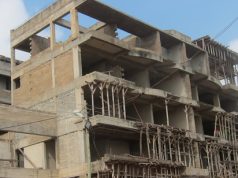
To support this digital transition, the 2026 financial year will see a massive infrastructure drive aimed at eradicating the ‘schools under trees’ phenomenon through the construction of 600 new blocks across kindergarten, primary and junior high levels.
Furthermore, the total clearance of Capitation Grant arrears and Basic Education Certificate Examination (BECE) registration subsidies ensures that basic schools start the new administrative year on a clean financial slate.
As the Education Minister, Hanura Iddrisu, has consistently maintained, social equity remains a cornerstone of the 2026 educational agenda.
The daily feeding grant for students in public special schools has been increased from GH₵8 to GH₵15 for the 2025-2026 academic year, a significant increment reflecting the government’s resolve to address the unique nutritional and health needs of learners with disabilities.
Through an amended GETFund Act, a sustainable funding framework has been established to provide free education for learners with special needs.
The construction of a state-of-the-art facility in Ho and the rehabilitation and upgrade of the existing special needs school in Akropong, Akuapem, demonstrate that words of commitment are being matched by concrete action.
Simultaneously, the government is aggressively tackling gender-specific barriers to attendance. By allocating GH₵292.4million to sustain the distribution of over 12 million packs of sanitary pads to school girls.
The state, in its reset agenda, is ensuring that menstrual hygiene no longer results in absenteeism or the interruption of a young woman’s academic journey.
Second-cycle education
At the secondary level, the 2025 academic year brought some stability to the Free Senior High School (FSHS) programme, with an uninterrupted supply of wholesome food reaching schools throughout the country.
The logistical challenges that had occasionally disrupted this flagship programme in previous years were systematically addressed, ensuring that students could focus their energies on learning rather than on concerns about their basic nutritional needs.
The programme continues to represent one of the most significant expansions of educational access in Ghana’s history, democratising secondary education in ways that will shape the nation’s future for decades to come.
TVET
In the area of skills acquisition, Technical and Vocational Education and Training (TVET) has been elevated to a strategic pillar for tackling youth unemployment.
The construction of six regional TVET Centres of Excellence across the country will equip young people with practical, industry-relevant skills aligned with the demands of an evolving labour market. These centres, designed to serve as models of excellence in skills training, will offer programmes developed in consultation with industry partners to ensure that graduates emerge with competencies that employers actually seek.
This expansion of access is linked to advancement at the tertiary level with new public technical universities in Kintampo, Jasikan and Damongo, as announced by the President in his State of the Nation Address (SONA) 2026.
This geographical spread ensures that quality higher education is no longer a privilege of the urban elite but a right accessible to every region of the country.
Tertiary education
At the tertiary level, the government has moved decisively to eliminate the financial barriers that historically stifled the ambitions of brilliant but needy students via the “No-Fees-Stress” initiative.
This policy, launched in Koforidua, has already provided a lifeline to over 152,000 validated first-year students in public institutions, with projections set to exceed 220,000 beneficiaries in the 2026 academic year.
The President recently announced in the SONA 2026 that Law students can now access the Student Loan Trust Fund (SLTF), and the Free Tertiary Education Policy for Persons with Disabilities is now fully operational nationwide.
To further catalyse growth in this sector, new legislation is being introduced to ease regulatory bottlenecks for private universities, making the requirement to charter optional and thus encouraging a more diverse and competitive higher education landscape.
Legislation resets in education
2025 witnessed some key legislative achievements that provided the structural framework upon which sustainable educational development depends.
The passage of the Kwame Nkrumah University of Science and Technology Bill, the Ghana Scholarship Authority Bill, the Change of Universities’ Names Bills, the University for Development Studies Bill, and the Ghana Education Trust Fund Bill demonstrates a comprehensive approach to educational governance that recognises the need for modernised, responsive institutions capable of meeting contemporary challenges.
Important to note that each piece of legislation addresses specific gaps or opportunities within the educational landscape, collectively creating a more coherent and effective system for delivering educational services to the Ghanaian people.
Particularly noteworthy is the forthcoming legislative initiative to enhance private-sector participation in tertiary education by easing regulatory bottlenecks and making the requirement to charter optional.
This reform recognises that the challenges facing Ghana’s education system are too vast to be addressed by government action alone, and that strategic partnerships with private providers can expand access, stimulate innovation and introduce healthy competition that benefits all students.
The President, John Mahama, was emphatic that by removing unnecessary regulatory barriers while maintaining appropriate quality standards, this initiative promises to unlock new sources of investment and expertise for Ghana’s tertiary sector.
Teachers Dabre Initiative
Also recognising that the success of any educational reform rests on the shoulders of its educators, the government has launched a landmark teachers’ housing initiative, dubbed ‘Teacher Dabre’.
In a collaborative effort involving various stakeholders and teacher unions, the state has committed to building 50,000 housing units. This initiative is designed to boost teacher retention, particularly in remote areas, ensuring that those who mould the nation’s future can live and retire with the dignity they deserve.
As Ghana stands on the threshold of its 69th Independence Day, the theme “Building Prosperity, Restoring Hope” finds its most tangible expression in the transformations underway across the education sector.
The challenges facing Ghana remain substantial. Economic pressures continue to affect families and government budgets alike. The legacy of past educational neglect, leading to about 5,000 schools under trees, cannot be erased overnight.
In the end, education is the most powerful instrument any nation possesses for shaping its own destiny.
It is through education that the talents of the many are discovered and developed; that the creativity and innovation upon which prosperity depends are nurtured; that the values of citizenship and community are transmitted to each new generation.
The investments in infrastructure and curriculum, in access and equity, in teachers and students, in basic education and tertiary education, in general education and technical training – all flow from the conviction that Ghana’s future will be determined not by its gold or cocoa, not by its oil or its location, but by the minds and character of its people.
As the flags fly high this March, Ghana’s education sector stands as a testament to the belief that prosperity is built on knowledge and hope is restored through opportunity.
Happy Independence Day, Mother Ghana!!!!
Ayekoo!!!!
Post Views: 38
Discover more from The Business & Financial Times
Subscribe to get the latest posts sent to your email.