

In the digital age, social media has emerged as one of the most powerful tools for branding, advocacy and cultural promotion. In the hands of visionary content creators and strategic stakeholders, social media can elevate national brands, foster global connections and initiate cultural movements. Ghana, a country known for its rich cultural heritage, has harnessed this power in a remarkable way, turning a seemingly casual social media conversation into a cultural phenomenon with global implications.
Turning banter into global advocacy
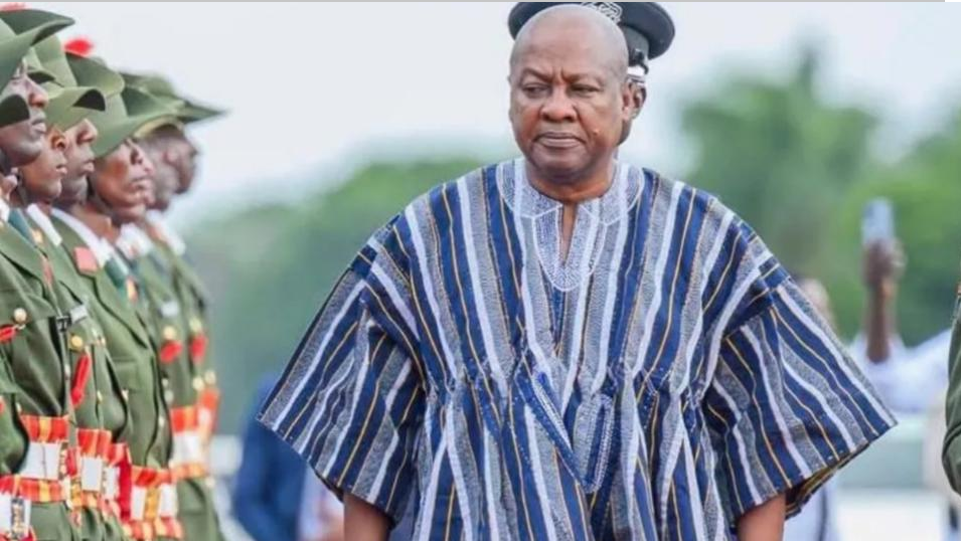
What began as a light-hearted, almost flippant remark on social media turned into a powerful vehicle for cultural promotion and branding for Ghana. The comment in question came from Zambia, where social media users mocked Ghana’s President, John Dramani Mahama, for wearing a traditional northern Ghanaian outfit known as the “fugu.” What was intended as a simple online joke sparked a massive cultural conversation on social media, igniting discussions about Ghana’s heritage, pride and identity.
Rather than fading into the background, this lighthearted banter ignited a viral response both locally and internationally, with Ghanaian officials, influencers and citizens rallying behind the fugu, a garment that is much more than a mere piece of clothing. It is a symbol of the dignity, heritage and craftsmanship that represent the northern part of Ghana. It quickly became more than just a fashion statement; it became a statement of cultural pride and identity. Social media amplified the debate, transforming a mockery into a celebration of Ghana’s unique cultural identity.
The conversation also caught the attention of international figures, including Zambia’s President, Hakainde Hichilema, who, instead of following the mocking tone of his country’s netizens, publicly praised the fugu, calling it an iconic African garment. This unexpected endorsement from a sitting head of state further legitimised the fugu, transforming it from a point of ridicule into a celebrated symbol of African unity and culture.
Ghana’s vibrancy on social media
Ghana’s strategic embrace of social media as a platform for cultural advocacy has been nothing short of remarkable. The country has successfully tapped into the power of digital spaces to showcase its rich cultural history and contemporary vibrancy. Ghana’s entertainment, culture, tourism and creative arts sectors have skillfully leveraged social media trends to create narratives that resonate not only within the country but also on the global stage.
The power of social media as a cultural advocacy tool is evident in how Ghana has continuously utilised platforms like X, Instagram and Facebook to create viral trends that highlight its culture, tourism and entertainment. From the “Fugu Friday” movement, where Ghanaians are encouraged to wear traditional attire every week, to viral dance challenges featuring Ghanaian musicians and performers, social media has provided the perfect space to celebrate Ghana’s creative output.
What makes this even more potent is the involvement of influencers, creatives and public figures who understand the value of using their platforms to advocate for cultural representation. Ghana’s musicians, actors and cultural ambassadors play a significant role in this movement, showcasing the country’s diversity and talent to global audiences. The rise of the #MadeInGhana hashtag has seen a resurgence in the promotion of locally made goods, fashion and crafts, further enhancing Ghana’s global cultural brand.
The IShowSpeed visit
A prime example of social media’s power to promote culture on the global stage is the visit of American streamer, Darren Jason Watkins Jr., better known as IShowSpeed, to Ghana. What was initially planned as a standard travel visit turned into a masterclass in leveraging social media for cultural advocacy. IShowSpeed’s visit captured the attention of millions of his followers, many of whom had never experienced Ghana beyond the negative stereotypes often associated with Africa in Western media.
During his time in Ghana, IShowSpeed, who boasts millions of followers on platforms like YouTube and Twitch, was immersed in the local culture. His viral livestreams from the streets of Accra, where he donned traditional Kente cloth and interacted with locals, were nothing short of revolutionary in terms of cultural exchange. What made this visit stand out was not just the spectacle of a global influencer exploring Ghana, but the careful orchestration behind the scenes by cultural stakeholders.

Key figures in Ghana’s creative industry, including tourism officials, cultural promoters and local artists, collaborated with IShowSpeed’s team to ensure that the visit highlighted Ghana’s best cultural offerings. His visit included stops at iconic sites like the Asenema Waterfalls, the Independence Square and the Jamestown area, where he immersed himself in local experiences and engaged in meaningful interactions with the people. This was not just a visit for entertainment’s sake; it was a deliberate, well-executed effort to showcase the country’s culture in its most authentic and engaging form.
IShowSpeed’s interactions with the Ghanaian public, his embrace of the country’s traditions and his excitement about learning local customs became a window into Ghana’s vibrant culture. His stream not only captured the hearts of his global audience, but also introduced them to a side of Africa that was dynamic, modern and full of promise.
Turning social media trends into brand promotion opportunities
The “Fugu Friday” movement and IShowSpeed’s visit to Ghana exemplify how social media can turn trends into powerful brand promotion opportunities. Social media platforms allow for real-time engagement, creating an immediacy that traditional advertising can’t match. By tapping into viral moments and responding strategically to online conversations, Ghana has successfully turned what could have been a fleeting moment into a lasting cultural conversation that has tangible economic implications.
For the fashion industry, this means an opportunity to elevate the fugu into a global fashion trend. Ghanaian designers, influenced by the recent attention on traditional wear, have begun to reinterpret the fugu for modern fashion sensibilities. The garment, traditionally worn by leaders and ceremonial figures, is now being adapted for everyday wear, making it a versatile cultural export. This reimagining of the fugu is not just an act of preservation; it is an act of cultural innovation that taps into global fashion trends while staying true to Ghanaian identity.
Furthermore, by leveraging global events like IShowSpeed’s visit, Ghana is positioning itself as a prime destination for cultural tourism. The integration of local cuisine, music and art into IShowSpeed’s streams has opened the door for Ghana to attract tourists, especially from younger demographics who are increasingly looking for experiences that connect them with authentic, unscripted cultural encounters. This has the potential to boost the local economy, create jobs in the tourism and creative sectors, and establish Ghana as a leader in cultural tourism on the African continent.
Social media as a cultural diplomacy tool
What makes these trends even more powerful is the role that social media plays as a tool of cultural diplomacy. In the past, cultural diplomacy was confined to formal state visits, art exhibitions and international delegations. Today, platforms like Instagram, X and TikTok have democratised cultural exchange, allowing individuals and brands to directly engage with global audiences.
Ghana’s use of social media as a tool of soft power is a prime example of how nations can harness the digital age to shape perceptions, challenge stereotypes and build lasting cultural connections. The ability to share and promote local culture, not through government messages but through grassroots efforts and influencer engagements, is a powerful form of diplomacy that can transcend borders and influence public opinion on a global scale.
A call for national strategy and collaborative efforts
As Ghana continues to ride the wave of social media success, it is crucial that the country formalise its efforts through a coordinated, multi-sector national strategy. While moments like IShowSpeed’s visit are organic, they must be strategically nurtured to ensure that the global interest in Ghana’s culture is sustained and capitalised upon. This requires deliberate efforts from all sectors—government, private industry, creatives and the public—to collaborate and amplify the narrative of Ghana’s cultural excellence.
The Ministry of Tourism, Culture and Creative Arts, along with other relevant agencies, must create a comprehensive cultural branding strategy that positions Ghana not just as a tourist destination but as a hub for creative excellence and cultural exchange. This strategy should include initiatives that encourage local artisans, fashion designers and cultural influencers to showcase their work on international platforms.
Moreover, social media should be closely monitored to ensure that Ghana’s cultural presence remains positive and authentic. While digital platforms offer incredible opportunities, they also come with risks. The recent “fugu blouse” controversy, though ultimately beneficial for cultural advocacy, underscores the need for swift, well-thought-out responses to online challenges.
Harnessing the power of social media for cultural advocacy
The power of social media as a tool for cultural advocacy is undeniable. Ghana has shown how a seemingly casual online conversation can snowball into a global cultural movement. By strategically engaging with social media trends and leveraging high-profile visits like that of IShowSpeed, Ghana has demonstrated the immense potential of social media to elevate national branding.
However, the country must not rest on its laurels. There is a need for a national, collaborative effort to ensure that social media continues to serve as the vehicle that sends the best of Ghana to the global stage. Through a coordinated approach, Ghana can harness the power of social media to promote its culture, encourage economic growth and secure its place as a global cultural powerhouse.
Post Views: 40
Discover more from The Business & Financial Times
Subscribe to get the latest posts sent to your email.