
The mother of self-styled prophet and content creator Evans Eshun, popularly known as Ebo Noah, has made an emotional public appeal to President John Dramani Mahama, the Inspector-General of Police (IGP), and other influential figures for leniency following her son’s remand into police custody. The elderly woman pleaded for forgiveness, arguing that he did not fully appreciate the implications of controversial claims he made on social media.
She attributed Ebo Noah’s actions partly to economic hardship, citing unemployment and the pressure to generate viral content on TikTok as possible factors that influenced his conduct. According to her, the pursuit of online visibility and financial survival may have driven him to make statements that ultimately attracted national attention and intervention by security agencies.
The woman rejected claims circulating on social media that her son was constructing multiple arks, describing such assertions as unfounded. She insisted that Ebo Noah lacks the financial capacity to undertake any such project. The claims about ark construction had amplified public concern about his earlier social media statements.
She also dismissed suggestions that her son is mentally unstable, maintaining that he is of sound mind and capable of rational thought. Appealing for compassion, she urged authorities to pardon her son for the fear and confusion his messages caused, characterising his actions as a mistake rather than a deliberate attempt to mislead or destabilise the public.
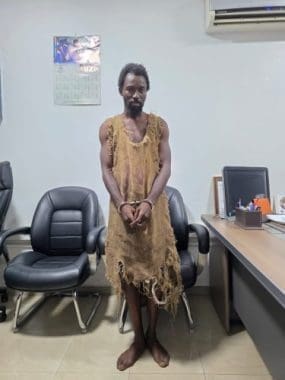
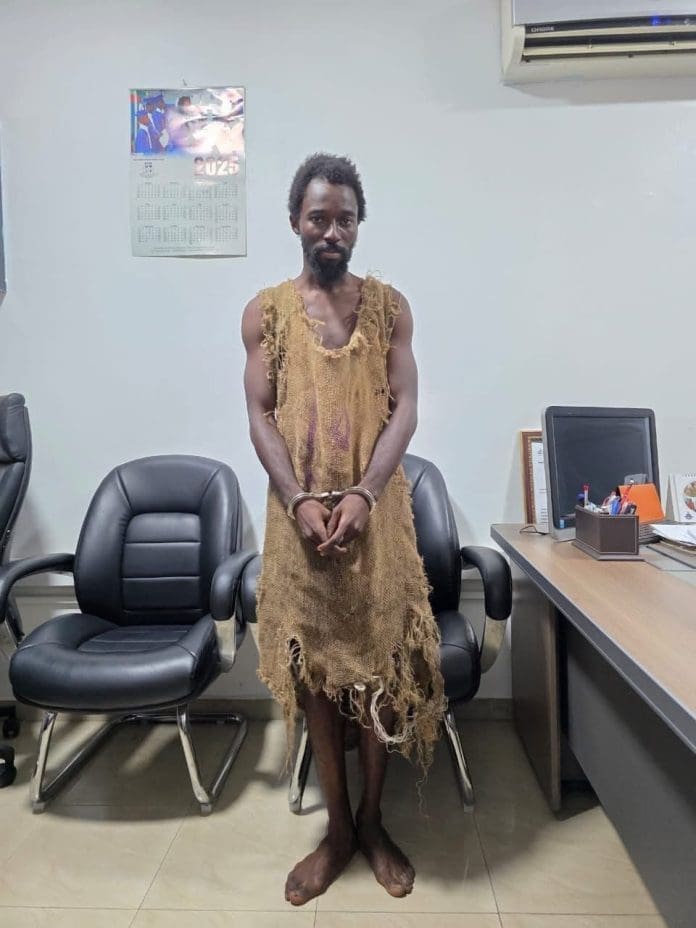
Ebo Noah recently came under scrutiny after making controversial claims on social media that provoked widespread fear and debate, prompting attention from security agencies. He was remanded into police custody for two weeks after appearing before the Adenta Circuit Court on Friday, January 2, 2026. The case is expected to return to court later this month as investigations continue.
His arrest and subsequent remand have sparked intense public debate, with some Ghanaians demanding strict accountability over the panic his claims generated. Others have called for mercy, citing freedom of expression and the socioeconomic pressures facing young content creators who depend on viral content for income.
The case highlights tensions between content creation economics and public responsibility. Social media platforms reward engagement, sometimes creating incentives for sensational content that may cross legal or ethical boundaries. Young creators seeking financial survival through online platforms face pressure to generate attention-grabbing material.
His mother’s appeal has added a human and emotional dimension to the ongoing national conversation. Her intervention reflects parental concern while attempting to provide context for behavior that authorities deemed sufficiently serious to warrant legal action and remand.
The specific nature of Ebo Noah’s social media claims that triggered security intervention has not been fully disclosed in public statements. However, authorities clearly judged the content serious enough to require formal investigation and court proceedings rather than simple warnings or social media platform removal.
Whether authorities will consider leniency depends partly on investigation findings and court determinations about intent and impact. The mother’s appeal to high level officials including the President suggests family concerns about the severity of potential consequences her son faces.
The case raises broader questions about content creator accountability in Ghana’s increasingly digital media landscape. As social media becomes a primary income source for many young people, determining appropriate boundaries and consequences for problematic content remains a developing area of law and policy.
Public reaction has been divided, with some viewing the arrest as necessary deterrence against irresponsible content that causes panic, while others express sympathy for economic pressures that may drive desperate attempts at viral fame. How the legal system resolves this case could influence future approaches to regulating social media content.
The two week remand period allows authorities time to complete investigations before the next court appearance. Whether prosecutors will pursue serious charges or recommend alternative resolutions remains to be seen as the case develops through the judicial process.