
The Member of Parliament for Akwatia, Bernard Bediako Baidoo, has cautioned against elevating political inducement to a criminal offence, arguing that such an approach would collapse under the weight of legal complexity and weak evidence.
According to him, while concerns about vote-buying and inducement are valid, treating them purely as criminal matters without clear legal backing would only lead to failed prosecutions and public frustration.
“If you raise it to the level of a crime, you fail,” he said. “Our Constitution is not a criminal law book. You don’t prove crime by mere words.”
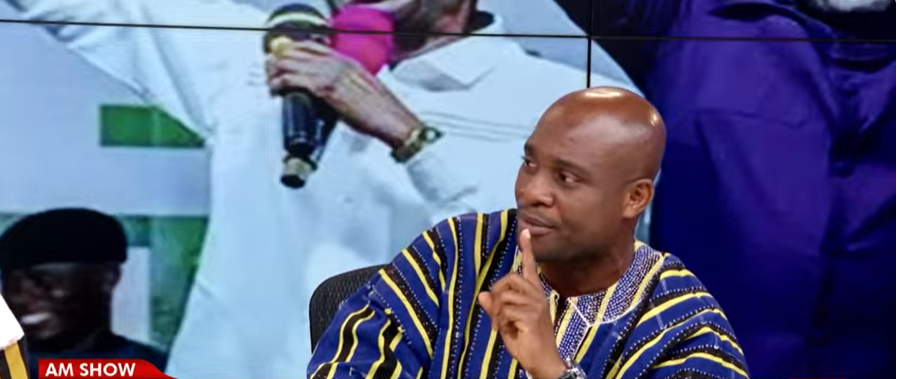
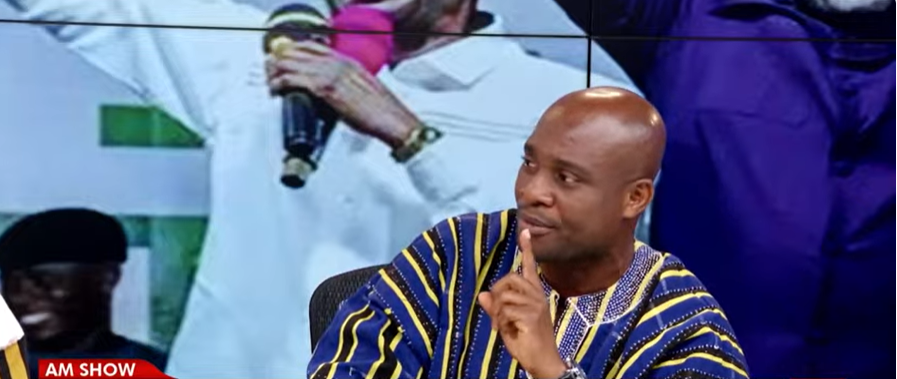
He made the remarks while speaking on JoyNews AM Show on Wednesday, March 4, during discussions about allegations of inducement in the ongoing National Democratic Congress (NDC) parliamentary primary in the Ayawaso East Constituency.
The controversy follows reports that the campaign team of aspirant Baba Jamal Mohammed Ahmed offered 32-inch television sets to delegates participating in the primary. The development sparked debate over whether such acts amount to vote-buying.
Baba Jamal, who was recently declared the winner of the Ayawaso East by-election on the ticket of the NDC, has denied personally distributing any items. Responding to claims that delegates were seen carrying television sets, he reportedly asked, “What is wrong with that?”
Mr Baidoo insisted that proving inducement as a criminal offence would be extremely difficult under current legal standards.
“There is no vicarious liability in criminal law,” he explained. “You cannot go and commit something and I am held responsible unless there is evidence linking me to it. Otherwise, you are liable for your own actions.”
He argued that candidates could easily distance themselves from supporters who distribute items on their behalf, making successful prosecution nearly impossible.
“You will never get any candidate who is going for election that will be seen anywhere distributing anything,” he noted. “What if he says he doesn’t know anything about it and it’s just a friend who believes in his vision?”
The Akwatia MP suggested that instead of criminalising inducement outright, Parliament should consider regulating it through clear legislative provisions that also capture third parties acting in the name of candidates.
“If we put it in our books, we can make sure it covers even the person who is not a contestant but sharing in the name of someone,” he said. “But if you raise it to the level of crime, that’s where you fail.”
He further pointed out that inducement allegations are not unique to one political party, referencing envelope-sharing during recent primaries of the New Patriotic Party (NPP).
“In the whole country, envelopes were shared some with GH¢1,000, some GH¢500. Who doesn’t know this?” he remarked, adding that political actors often redefine such gestures to avoid legal consequences.
His comments come amid growing national debate about electoral integrity and internal party democracy, particularly as political parties prepare for future parliamentary and presidential contests.
Mr Baidoo maintained that he is not opposed to addressing inducement but believes the solution lies in clearer regulatory frameworks rather than criminal prosecution.
“I’m not saying we shouldn’t do anything about it,” he stressed. “But let’s regulate it properly.”
DISCLAIMER: The Views, Comments, Opinions, Contributions and Statements made by Readers and Contributors on this platform do not necessarily represent the views or policy of Multimedia Group Limited.
DISCLAIMER: The Views, Comments, Opinions, Contributions and Statements made by Readers and Contributors on this platform do not necessarily represent the views or policy of Multimedia Group Limited.
Source link