

Dikan Centre has announced one of the largest archival and digitisation milestones in Ghana’s history, revealing that over 70 million historical records have been processed, conserved, and digitised through its work over the past year.
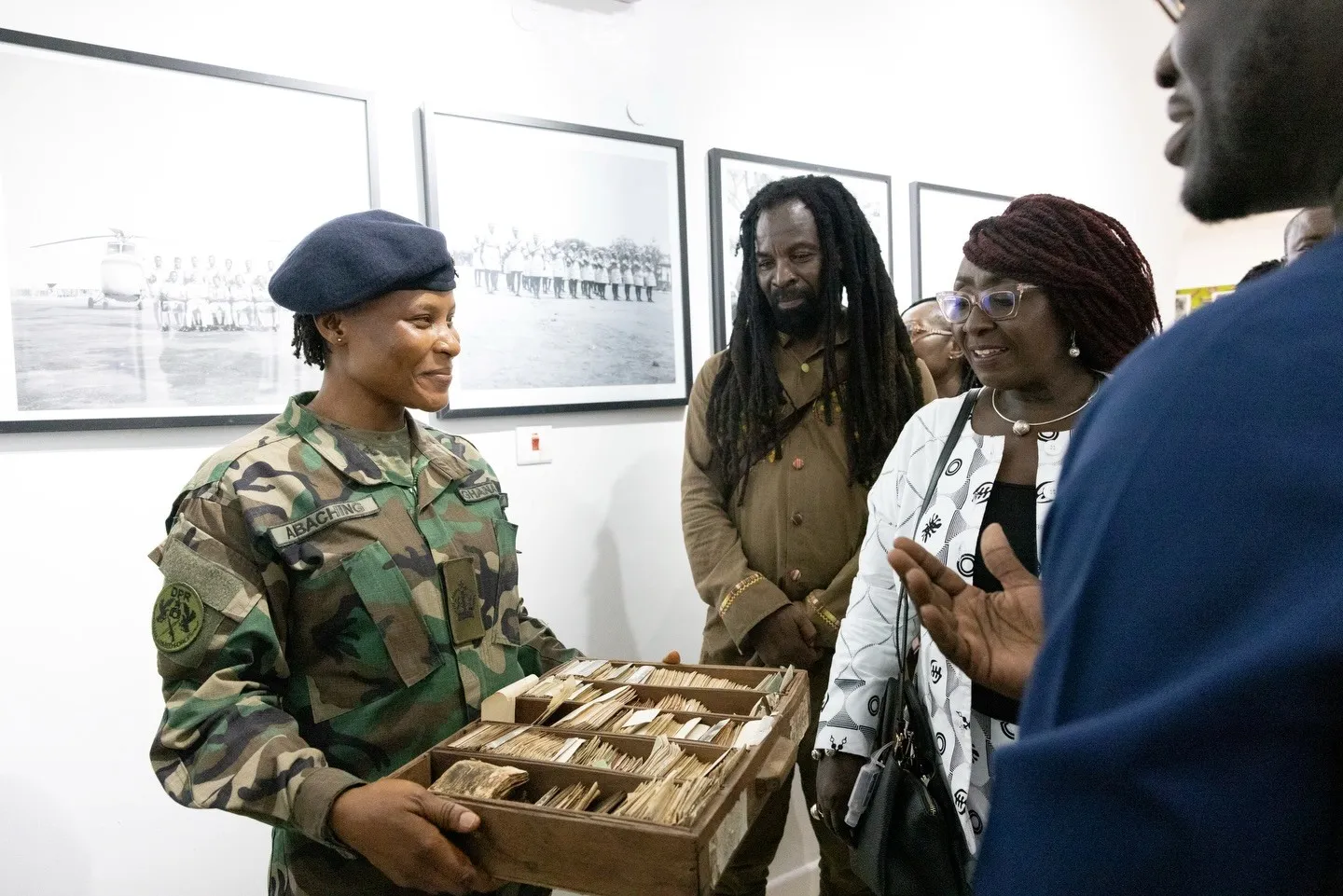
The announcement was made at the official opening of two major exhibitions—Preserving Ghana and Ghana, The Journey Within at Dikan Centre in Accra, bringing previously inaccessible national materials into public view for the first time.

Opening the exhibitions, Abla Dzifa Gomashie, Minister for Tourism, Culture and Creative Arts, described Dikan’s work as essential to Ghana’s cultural sovereignty. “This is not just documentation; it is the safeguarding of who we are as a people,” she said, commending Dikan and Awo Institute for transforming “digitisation into a democracy of knowledge and archives into living classrooms.”
The Minister reaffirmed the government’s commitment to supporting creative practitioners and institutions whose work strengthens tourism, fuels the creative economy, and builds national cohesion, while calling for stronger public–private collaboration in the sector.
The digitised records include photographs, films, documents, and audiovisual materials that were once damaged, scattered, inaccessible, or at risk of permanent loss. The effort represents a significant step in safeguarding Ghana’s institutional, cultural, and social memory.
The Ghana Armed Forces accounts for one of the single largest institutional collections. “This is historic in scale and transformative in impact,” said Captain Veronica Adzo Arhin, Acting Director General of Public Relations, Ghana Armed Forces. “In just over one year, more than 70 million Armed Forces records have been processed and digitised.”

According to the Ghana Armed Forces, the partnership with Dikan will ensure that the service and sacrifice of generations are preserved for posterity and strengthen transparency, institutional history, and public understanding.
A defining feature of the Armed Forces project has been its capacity-building efforts. Twenty-five (25) military personnel have been trained as conservators, collection specialists, and digitisation experts, working alongside Dikan professionals. This has laid the foundation for a permanent heritage unit and museum within the Ghana Armed Forces.
Founded just over three years ago, Dikan Centre has evolved from a small library into a national and continental hub for archives, research, exhibitions, education, and creative leadership. “Memory is not a luxury,” said Dikan Founder Paul Ninson. “It is infrastructure. It is a responsibility. It is nation-building.”
Unlike traditional archival models, Dikan’s approach prioritises public accessibility. Materials preserved through Awo are made available at the Dikan Library & Archives, now used daily by students, journalists, artists, and researchers.

At the centre of this achievement is the Awo Institute, Dikan’s heritage, research, and archival engine, which was established one year ago. Awo currently has the capacity to digitise up to 15,000 archival items daily, with expansion plans to reach 40,000 items per day.
Through Awo Institute, Dikan has led or supported over 20 major archival and heritage projects across Ghana, stabilising and preserving hundreds of millions of pages, photographs, films, and sound recordings across public institutions, families, and community collections.
Among the collections preserved is one of the world’s most extensive Highlife music archives, built largely from the lifelong work of music researcher Professor John Collins and spanning more than a century of recordings, photographs, interviews, and research. The collection’s preservation comes shortly after UNESCO inscribed Highlife music and dance as Intangible Cultural Heritage.
The exhibitions are currently open to the public at Dikan Centre, South La, Accra, offering visitors a direct encounter with Ghana’s preserved memory. Dikan is also safeguarding critical Kwame Nkrumah-era independence archives, providing comprehensive insight into Ghana’s political history, diplomacy, exile, and nation-building journey.
Post Views: 2
Discover more from The Business & Financial Times
Subscribe to get the latest posts sent to your email.