

Tackling clearance delays, improving border management and strengthening operational efficiency would deliver competitive gains for Ghana’s business environment as the country seeks to expand trade under the African Continental Free Trade Area (AfCFTA), the World Bank advises.
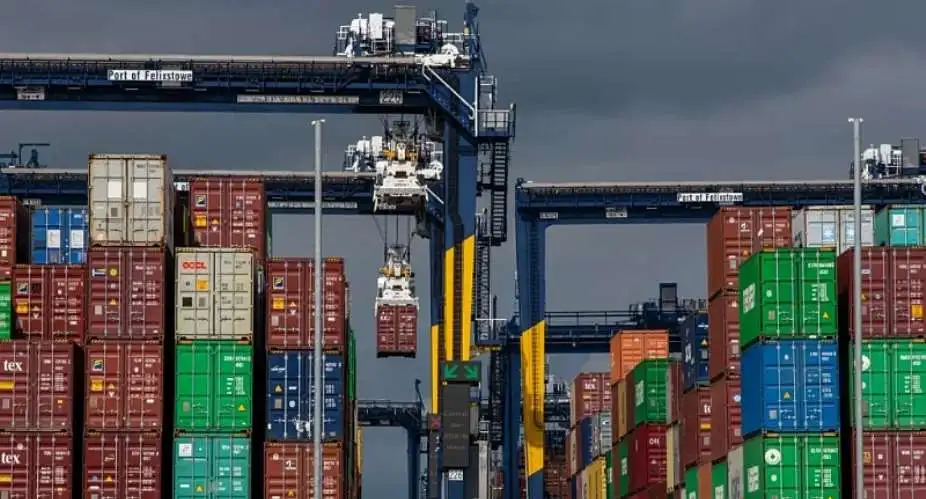
The World Bank’s view is that port clearance delays in the country are constraining trade and slowing private-sector growth. A Senior Economist-World Bank Business Ready Unit, Subika Farazi , noted that operational inefficiencies – particularly at the borders – remain a major drag on the country’s trade competitiveness.
Clearance through the country’s ports takes significantly longer than in some peer African economies, with exports averaging nine days and imports stretching to 23 days.
For instance, Farazi noted that in Ghana it takes on average nine to 23 days for export and import clearance which on average take around five to eight days in Cameroon.
In fact, port delays form part of broader findings from the World Bank’s B-READY assessment – which indicates that while Ghana has relatively strong business regulations, weaknesses emerge in how efficiently those rules are implemented.
In terms of the operational efficiency pillar, Ghana’s relative performance is not as strong; with several peer economies including Togo, Senegal, Cameroon and Cape Verde recording stronger scores.
However, under its regulatory pillar the country performs best but falls behind several peer economies when assessed on operational efficiency. According to World Bank data, Ghana outperformed most regional peers in regulation and public services – ranking highest in the regulatory pillar and second only to Togo in public service delivery.
At the sectoral level, the country scores strongly in financial services, labour and business entry but struggles in areas closely linked to trade performance, including market competition.
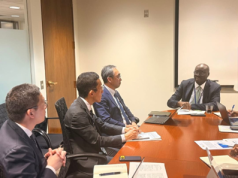
These findings were shared at a high-level B-READY working session in Accra recently from the World Bank’s B-READY assessment which brought together senior government officials, private-sector leaders and World Bank teams to examine constraints affecting food processing, light manufacturing and trade facilitation – key components of government’s 24H⁺programme.
Post Views: 27
Discover more from The Business & Financial Times
Subscribe to get the latest posts sent to your email.