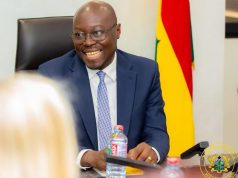


In dismissing claims that government’s flagship Big Push infrastructure programme is dominated by widespread sole sourcing, Minister of Roads and Highways Kwame Governs Agbodza told parliament that such assertions are misleading.
He presented detailed figures and safeguards to show that procurement under the programme is being conducted lawfully and transparently.
The Big Push is designed to accelerate repairs and upgrades across the nation’s deteriorating road network and relies on a mix of procurement methods tailored to project urgency and complexity, all within the Public Procurement Act framework.
“No procurement law has been breached and there is no scandal,” he said. “More than 400 contracts have been processed through open competitive tendering.”
These figures undermine suggestions that the ministry predominantly relies on non-competitive awards.
Given the urgent need to arrest deterioration of the country’s road network, certain methods – such as restricted procedures or negotiated routes – have been used to speed up delivery and avoid the cost escalations that lengthy processes can trigger.
A key feature of the Big Push is reviving stalled projects inherited from the previous administration. Mr. Agbodza disclosed that 23 major road projects left incomplete due to lack of funding have been absorbed into the programme with new financing.
These projects, with a combined value of GH¢14.88billion, include critical routes such as the Suame Interchange, Ofankor–Nsawam Road and Adenta–Dodowa Road.
He also highlighted efforts to tackle inherited liabilities, revealing that over GH¢11billion has been paid to clear part of arrears which exceeded GH¢40billion – a settlement he described as the largest in recent history.
Currently, he reported, more than 2,000 kilometres of roads across Ghana’s 16 regions are undergoing reconstruction or upgrading under the programme. “We have established a system wherein no contractor will be paid without delivering measurable work,” Mr. Agbodza added.
The Big Push is subject to continuous parliamentary scrutiny and professional validation, with regular committee engagements, ministerial questioning and independent cost validation by professional bodies forming part of the accountability framework.
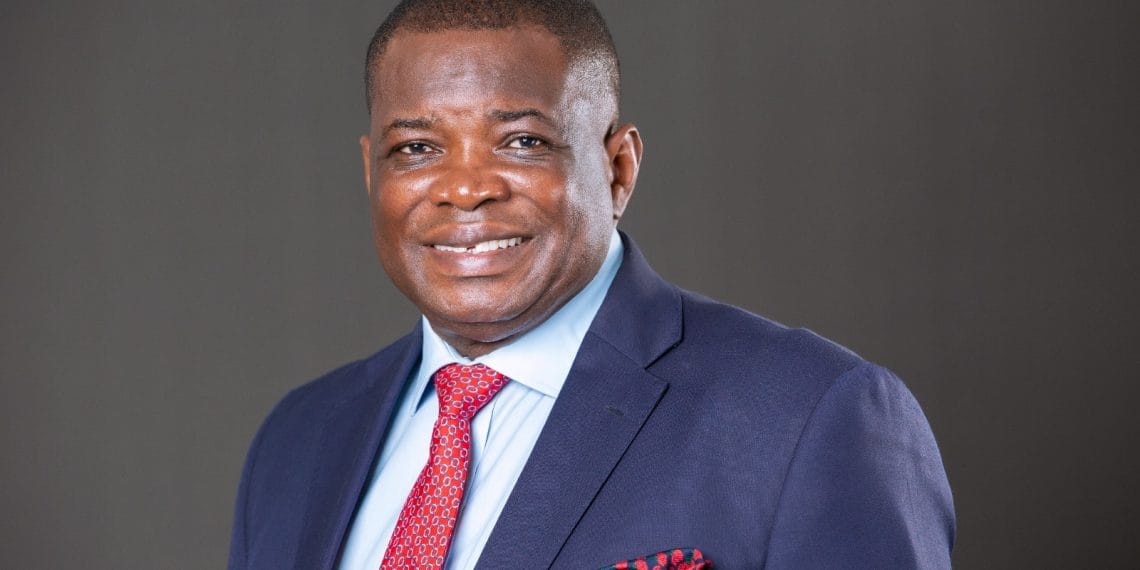
The Executive Director-Media Foundation for West Africa (MFWA), Sulemana Braimah, raised the alarm over what he described as excessive use of sole sourcing in the award of contracts under government’s ‘Big Push’ initiative.
Mr. Braimah said data obtained by his outfit points to significant abuse of the sole sourcing provision in Ghana’s procurement law.
According to him, of 107 contracts reviewed a staggering 81 were awarded through sole sourcing – raising questions about compliance with the Public Procurement Act.
Although sole sourcing is permitted under the law, it is only acceptable under specific conditions such as emergencies or situations requiring specialised expertise.
Braimah stressed that the issue is not existence of the sole sourcing in law, but its excessive and potentially unjustified use.
The Minority in Ghana’s parliament intensified calls for government to fully disclose details of contracts awarded under its ambitious ‘Big Push’ road infrastructure programme.
Kennedy Osei Nyarko, Ranking Member of the Roads and Transport Committee and Member of Parliament for Akim Swedru, voiced his concerns at a press conference on March 24.
Mr. Nyarko stressed that for the programme to be successful in the public’s eyes, transparency and accountability are critical.
This call follows allegations raised by The Fourth Estate, which questioned procurement practices under the programme, including concerns about possible cost inflation and extensive use of sole-sourced contracts.
Mr. Nyarko also pointed out that the current administration had previously taken a strong stance on similar issues while in opposition.
All in all, we believe the Minister of Roads and Highways appearing before parliament to lay bare the facts is a welcome development in our young democracy. We also applaud those who raised issues of transparency in the award of major contracts in this flagship project.
Duty-bearers are accountable to those they are elected or nominated to serve and must always be prepared to give an account of their stewardship in the interest of transparency and accountability. It is heartwarming to see our democracy travel this road.
Post Views: 68
Discover more from The Business & Financial Times
Subscribe to get the latest posts sent to your email.