
By Ernest Bako WUBONTO
The Minister for Education, Haruna Iddrisu, has called for a unified continental roadmap to integrate digital technology into classrooms, asserting that Africa’s future prosperity depends on the resilience and relevance of its education systems.

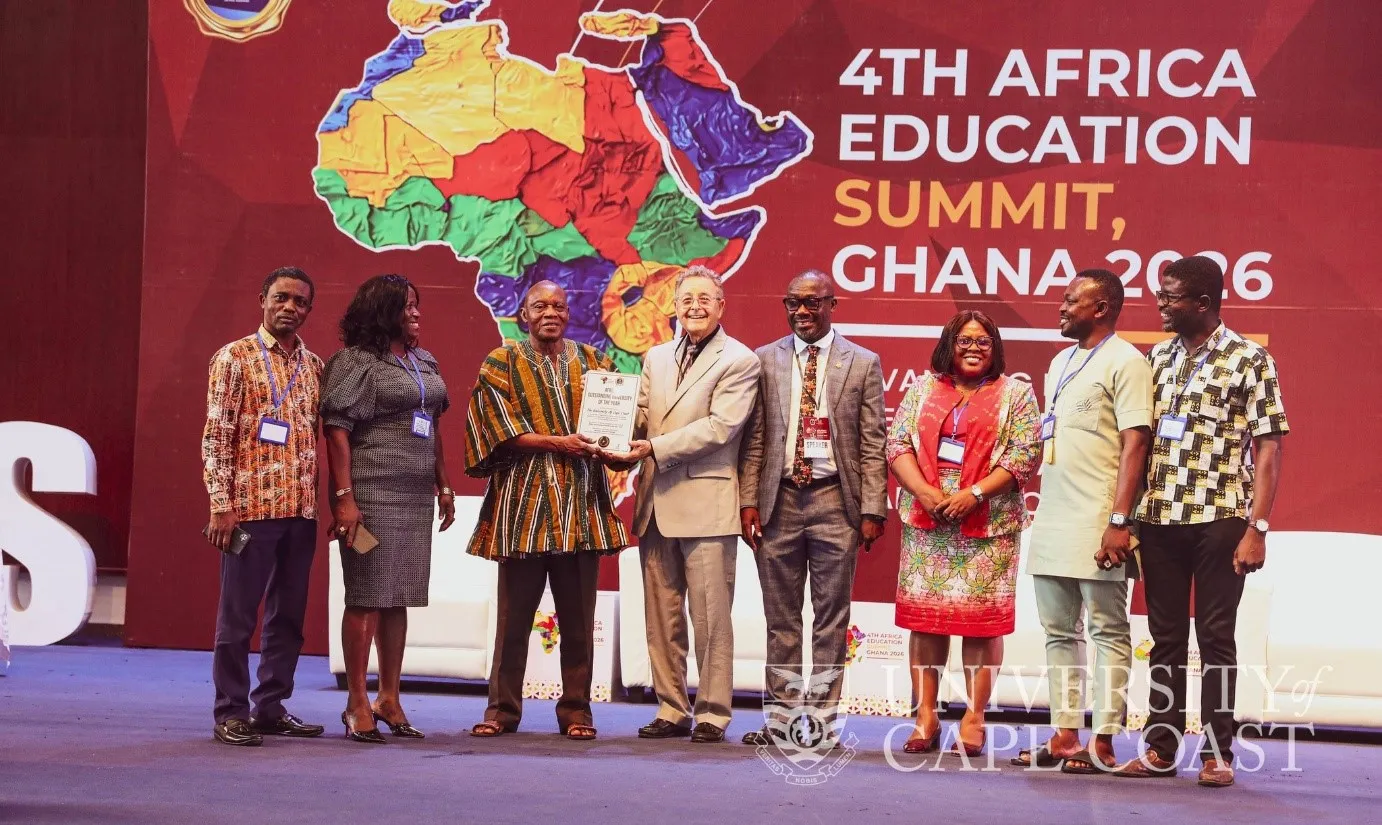
The minister, in a speech read on his behalf by the Technical Advisor at the ministry, Prof. George K.T. Oduro, at the opening of the 4th Africa Education Summit at the University of Professional Studies, Accra (UPSA), emphasised that in an era of profound technological transformation, education must serve as a great equaliser rather than a privilege for a few.
“This summit builds on an important tradition of continental engagement that has previously brought together education leaders in Kigali, Nottingham and Victoria Falls.
It is my firm conviction that the 4th Africa Education Summit represents not merely another conference, but a continuation of a continental movement committed to transforming education through innovation, collaboration and visionary leadership,” Mr. Iddrisu said.
The theme of this year’s summit, “Advancing educational technology integration in African education: A unified roadmap for action,” was described by the minister as highly timely.
He noted that as digital technologies reshape economies and societies globally, African education systems must evolve in tandem.
“If Africa is to harness the opportunities presented by the digital age, then our classrooms must evolve from traditional spaces of knowledge transmission into dynamic environments where technology enhances teaching, expands access to learning, and equips young people with the competencies required to thrive in a knowledge-driven global economy,” he said.
The minister outlined Ghana’s ongoing efforts to place educational technology at the centre of national education reform. He highlighted key initiatives, including the deployment of subject-specific artificial intelligence applications across senior high schools, developed in collaboration with partners such as Transforming Teaching Education and Learning (T-TEL) and the Mastercard Foundation.
These tools are designed to support lesson preparation, assessment and classroom delivery, while aligning with national curriculum standards.
Further progress includes the operationalisation of a national transcript portal—a digital platform that enables the electronic submission of continuous assessment records—as well as the expansion of a curriculum microsite that provides educators with access to approved teaching resources.
He added that the government’s Professional Learning Community framework continues to support teachers in developing digital competencies.
Despite these advances, the minister acknowledged persistent challenges across Ghana and the wider continent. He cited limitations in digital infrastructure, connectivity, teacher training and access to locally relevant learning resources as key constraints.
“The critical question is how Africa can leverage its natural resources and human capital to address these challenges through an African-centred approach,” Mr Iddrisu noted, urging participants to use the summit as a platform to develop practical and coordinated solutions.
In his closing remarks, the minister emphasised that strong partnerships among governments, academic institutions, development partners and the private sector are essential for building resilient, technology-enabled education systems.
“We must leave this summit with a clear and unified roadmap to guide governments and institutions across Africa in integrating educational technology responsibly, inclusively and sustainably,” he said.
Post Views: 32
Discover more from The Business & Financial Times
Subscribe to get the latest posts sent to your email.