
Ghana’s Ministry of Education (MoE) has initiated a comprehensive investigation following viral social media claims that students can purchase admission into prestigious senior high schools through bribery, with authorities warning that such allegations threaten the integrity of the nation’s computerized placement system.
The probe was triggered by a now-deleted social media post allegedly authored by Gertrude Adzo Borklo, claiming admission into Aburi Girls’ Senior High School could cost as much as GH¢15,000. The post circulated widely before being removed, prompting immediate government intervention.
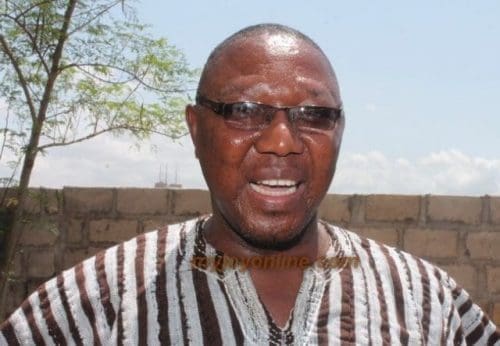
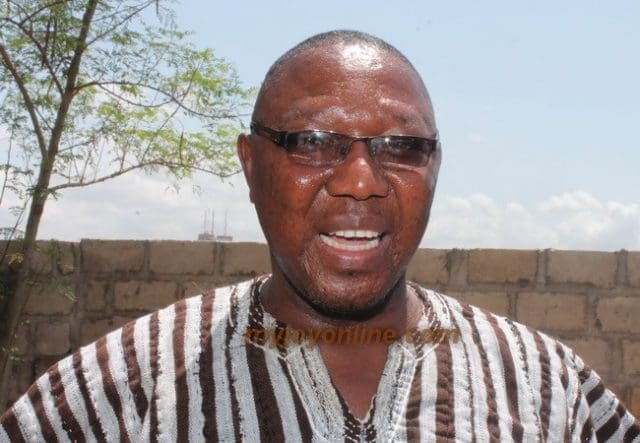
Deputy Education Minister Dr. Clement Abas Apaak announced the investigation Thursday, emphasizing that authorities are treating the allegations with utmost seriousness. “The Ministry views this allegation with the utmost seriousness and has initiated an immediate investigation into the matter,” he stated in an official response.
The controversy centers on Ghana’s Basic Education Certificate Examination (BECE) Computerised School Selection and Placement System (CSSPS), which handles admission for over 500,000 students annually. The ministry recently announced that all BECE candidates would be placed in either senior high or technical schools through automatic or self-placement processes, with no fixed cut-off points determining admission.
Authorities have been unable to contact the original poster, as her social media account was deactivated shortly after publication. However, investigators report discovering additional anonymous accounts amplifying similar bribery claims across various platforms.
The Ministry of Education is collaborating with the National Security Ministry and the Cyber Security Authority to trace the origins of what officials describe as coordinated misinformation designed to undermine public confidence in the placement system.
Dr. Apaak has previously warned parents and guardians against paying money to anyone promising to secure SHS placements, emphasizing that the computerized system operates entirely without cost to families.
“We call on members of the public to provide any information or evidence of persons, whether ministry officials or third parties, who demand money for placements,” the Deputy Minister declared, promising swift action against anyone found culpable.
The government has established dedicated hotlines to receive complaints and gather evidence as part of efforts to safeguard what officials term the transparency and integrity of Ghana’s school placement system.
This investigation represents the latest in a series of education sector corruption probes. Dr. Apaak recently appeared before Parliament’s Public Accounts Committee regarding fraudulent salary payments within the Ghana Education Service, demonstrating the administration’s commitment to addressing financial irregularities across educational institutions.
The timing proves particularly sensitive as Ghana approaches the 2025 BECE placement period, when hundreds of thousands of students await admission decisions that will determine their academic futures. Any perception of corruption could undermine parental confidence in the system’s fairness.
The Ghana Education Service has advised that all legitimate admissions should be processed exclusively through authorized school portals to prevent fraud, with official portal lists published to help families identify genuine admission channels.
Education experts note that Ghana’s computerized placement system was specifically designed to eliminate human interference and reduce opportunities for corruption. The system automatically matches student preferences with available spaces based on BECE performance and school capacity.
However, the persistent circulation of bribery claims suggests some individuals may be exploiting parental anxieties about their children’s educational prospects. Authorities worry that such schemes could target vulnerable families willing to pay significant sums for perceived admission advantages.
The investigation will examine whether ministry officials, school administrators, or third-party agents have compromised the placement system’s integrity. Penalties for proven violations could include criminal charges and dismissal from government service.
Parents and students are encouraged to report any demands for payment related to school placement through the ministry’s established channels. Officials stress that legitimate placement requires only BECE results and completed application forms through authorized systems.
The outcome of this investigation could influence public trust in Ghana’s education system at a critical time when the government is implementing significant reforms, including expanded access to senior high education and enhanced technical training opportunities.