
The European Union is set to formalise a landmark defence cooperation agreement with Ghana in the coming days, marking the first time the bloc has entered into such a security arrangement with an African nation.
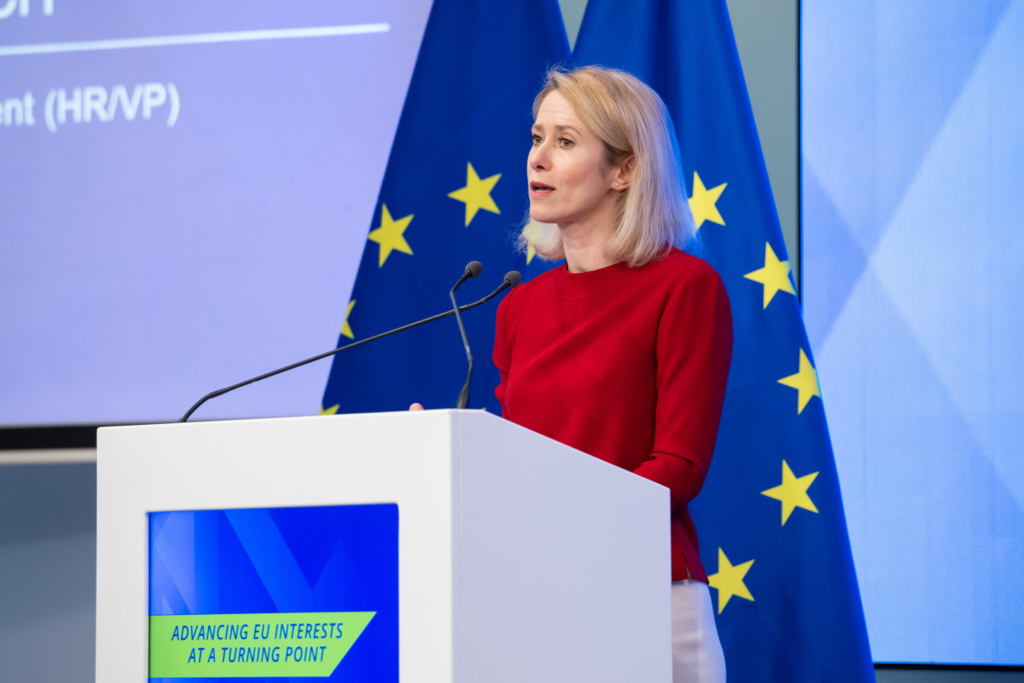
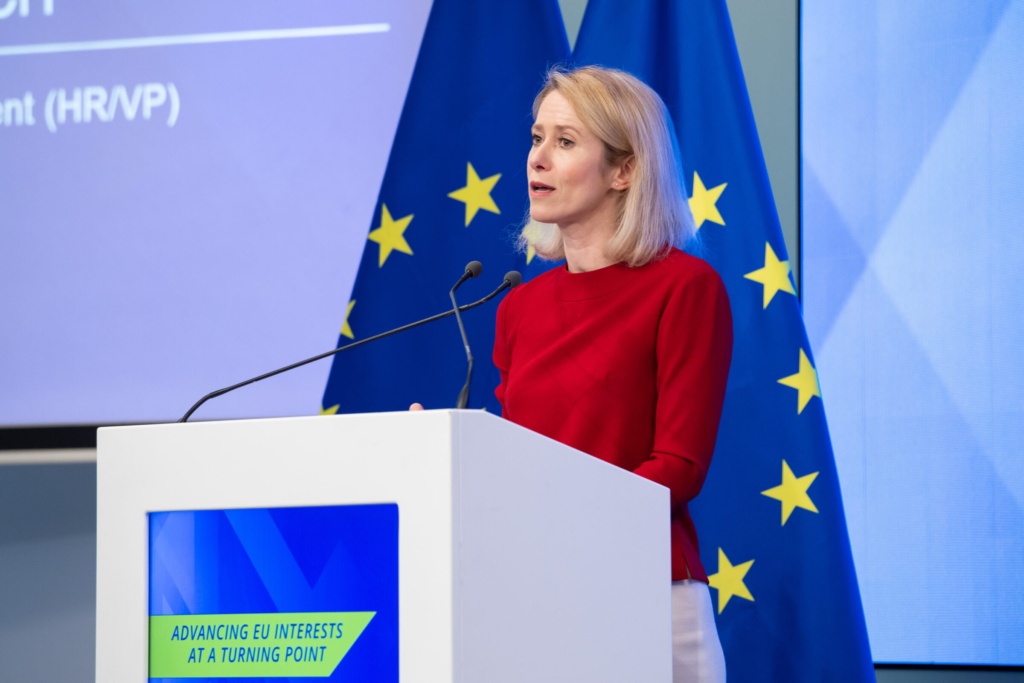
The announcement was made by the EU’s foreign affairs chief, Kaja Kallas, during the union’s annual ambassadors’ conference on Monday, 9 March 2026. The move comes as Brussels aggressively expands its security umbrella to include Australia and Iceland, responding to a volatile geopolitical climate that has forced nations to look beyond traditional alliances.
Kallas emphasised that the move is part of a broader trend of nations seeking to insulate themselves from global instability.
“Our offer to our partners is far broader today than it has ever been before. In the security sphere, we have a long-standing strategic partnership with NATO. But we also have bilateral agreements, including 9 Security and Defence Partnerships with countries in Europe, Asia and North America,” Kallas stated.
“Later this week, I will sign the tenth with Australia and subsequent ones with Iceland and Ghana in the coming days. There are many other interested countries knocking at our door.”
Strategic shift to counter-terrorism
The partnership with Ghana is expected to be uniquely tailored to regional security threats. Speaking at the Chatham House think tank in London, Ghana’s Foreign Minister, Samuel Ablakwa, noted that the arrangement would be heavily focused on counter-terrorism—a critical priority as West Africa continues to battle insurgencies in the Sahel.
The ‘SAFE’ shield and Trump’s influence
The surge in EU defence diplomacy is being fuelled by the Security Action for Europe (SAFE) programme, a massive financial initiative spearheaded by the commission. SAFE offers up to €150bn in long-maturity loans to help EU member states hit the two-percent-of-GDP defence spending target—a direct response to criticisms from US President Donald Trump.
The broader strategy includes:
- Procurement Power: A defence procurement scheme worth up to €800bn.
- Global Missions: Joint naval and military missions with partners like the UK, Canada, and Japan.
- New Frontiers: Ongoing negotiations for a security and trade dual-track with India.
Financial friction and symbolic doubts
Despite the momentum, the EU’s “self-reliance” strategy faces internal and external hurdles. Talks with the United Kingdom regarding access to the SAFE programme have reportedly foundered over disputes regarding the UK’s financial contribution. In contrast, Canada has already committed €10m as part of its participation.
Critics have also questioned the substance of these deals, suggesting they may be “largely symbolic” due to a lack of granular detail on tactical changes. However, the President of the European Commission, Ursula von der Leyen, remains steadfast in the vision of a connected European defence.
The upcoming signing ceremony with Ghana is seen as a pivotal test of whether the EU can successfully project its security influence into the Global South as a viable alternative to other world powers.
DISCLAIMER: The Views, Comments, Opinions, Contributions and Statements made by Readers and Contributors on this platform do not necessarily represent the views or policy of Multimedia Group Limited.
DISCLAIMER: The Views, Comments, Opinions, Contributions and Statements made by Readers and Contributors on this platform do not necessarily represent the views or policy of Multimedia Group Limited.
Source link