


By Wisdom JONNY-NUEKPE
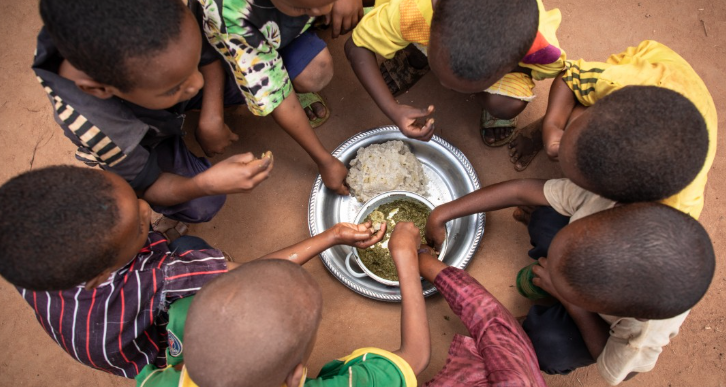
The Chamber of Agribusiness Ghana (CAG) has described the country’s food insecurity report as not just statistics but a national alarm bell. This month, Ghana Statistical Service (GSS) reported that the food insecurity is worsening, with 12.5 million people (roughly 38.1 percent of the population) facing difficulties accessing adequate food as of early 2026.
Driven by high inflation, climate-related crop losses and rising costs, the crisis disproportionately affects female-headed households – with over 44 percent experiencing food insecurity.
This, the CAG said, if not handled properly could advance beyond a national security issue; explaining that when over 13 million Ghanaians face hunger risks, there is a systemic challenge that touches agriculture, climate resilience, market systems, post-harvest losses, income inequity and urban vulnerability.
According to CAG, food insecurity at this scale means households are skipping meals, compromising diet quality and becoming more exposed to health and economic shocks.
Indeed, adults living in food-insecure households are more likely to also experience infectious diseases, poor oral health, injury and chronic conditions like depression and anxiety disorders, heart disease, hypertension, arthritis, back problems and chronic pain.
The Chamber suggested that three core drivers and enabling factors for enhancing food production must aggressively be tackled urgently in order to remedy the situation.
Firstly, climate variability is disrupting rainfall patterns and yields, especially for smallholder farmers who depend on rain-fed systems. Secondly, weak value chains and post-harvest losses continue to erode food availability and farmer incomes. Lastly, rising food prices driven by inflation, transport costs and input dependency are shrinking purchasing power, particularly in urban and peri-urban areas.
“We must scale climate-smart agriculture, invest in irrigation expansion, strengthen local seed systems, promote soil restoration and modernise storage infrastructure to reduce losses. Urban agriculture and community-based food systems must be mainstreamed into metropolitan planning. Youth engagement in agribusiness innovation is no longer optional, it is essential,” CAG-CEO Anthony Morrison said.
He explained that food security is national security and if 38.1 percent of the population is food insecure, then policymakers should be worried. “This moment calls for coordinated action between government, research institutions, the private sector and development partners. We cannot build economic resilience without food resilience,” he added.
The World Food Programme (WFP) has also confirmed that food insecurity in the country has reached critical levels, with millions facing acute food insecurity as of 2024–2025… nearly doubling from previous years.
Post Views: 1
Discover more from The Business & Financial Times
Subscribe to get the latest posts sent to your email.