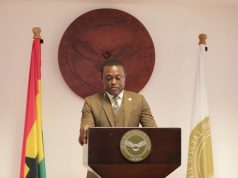
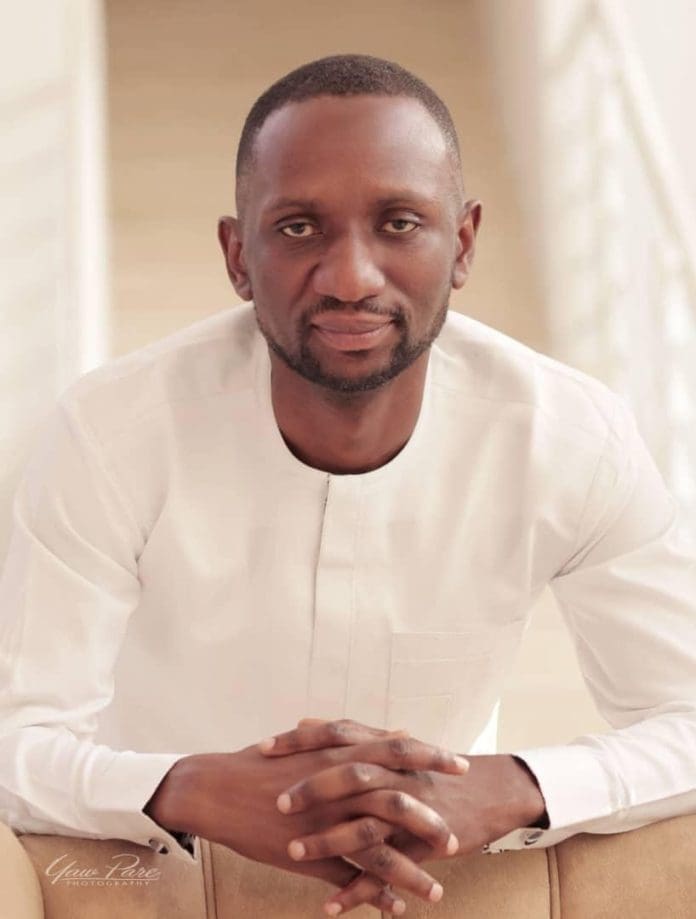

Former National Entrepreneurship and Innovation Programme (NEIP) Chief Executive Kofi Ofosu Nkansah has launched a scathing critique of Kennedy Agyapong’s newly established Anti-Election Rigging Squad, dismissing it as psychological preparation for inevitable defeat in the New Patriotic Party’s (NPP) 2026 presidential primaries.
The controversial political commentator described the initiative as a preemptive excuse-making exercise, stating on Facebook that “Team Kennected has started preparing the minds of their supporters for the inevitable defeat. This is funny.”
Nkansah’s comments represent the first major public criticism of Agyapong’s Anti-Election Rigging Squad, which was announced ahead of the NPP presidential primaries scheduled for January 31, 2026. The timing of the criticism suggests growing tensions within NPP ranks as potential candidates position themselves for the crucial contest.
The Anti-Election Rigging Squad was established by the former Assin Central Member of Parliament in response to mounting concerns about potential electoral malpractice during the contest. Joojo Rocky Obeng, who heads elections for Kennedy Agyapong’s campaign, emphasized that the squad would operate within legal boundaries while ensuring election integrity.
The exchange highlights deepening fractures within the NPP as various factions prepare for what promises to be a fiercely contested primary. Nkansah, who previously served as NEIP CEO under the Akufo-Addo administration, has expressed solidarity with National Democratic Congress (NDC) foot soldiers since the party’s electoral defeat, positioning himself as a critic of NPP leadership.
The former NEIP boss carries personal political baggage, having lost his parliamentary bid for the Asante Akim Central constituency to Anyimadu Antwi, who secured 374 votes against his lower tally. His criticism of Agyapong occurs against this backdrop of his own electoral disappointment within the party structure.
Nkansah’s credibility as a political commentator has been questioned following his arrest by the Office of the Special Prosecutor (OSP) on charges of distributing money to delegates ahead of NPP parliamentary primaries, though he was subsequently granted bail.
The establishment of the Anti-Election Rigging Squad reflects broader concerns about electoral transparency within the NPP, particularly given Agyapong’s official declaration of intention to contest the 2026 presidential primaries and his previous unsuccessful attempt in 2023 when he finished second to Dr. Mahamudu Bawumia.
Nkansah has previously launched attacks on NPP flagbearer hopefuls who claim greater grassroots popularity than Dr. Bawumia, suggesting his criticism of Agyapong may reflect broader strategic positioning rather than specific concerns about the Anti-Election Rigging Squad.
Political analysts suggest the controversy exposes internal NPP dynamics as various camps prepare for the 2026 primaries. The timing of Agyapong’s anti-rigging initiative, announced months before the actual contest, indicates serious concerns about election integrity within party circles.
The NPP announced its presidential primaries for January 31, 2026, giving potential candidates substantial time to prepare for the 2028 elections. This extended timeline allows for intensive campaigning but also creates opportunities for internal conflicts to escalate.
The controversy surrounding the Anti-Election Rigging Squad suggests that electoral concerns extend beyond traditional opposition party dynamics to include intra-party suspicions about fairness and transparency. Agyapong’s proactive approach indicates either genuine concerns about potential malpractice or strategic positioning to question results if unsuccessful.
Nkansah’s dismissive response reflects broader skepticism about whether such initiatives serve genuine electoral integrity purposes or function as political theater designed to influence voter perceptions about fairness and legitimacy.
The exchange between the two NPP figures demonstrates the complexity of internal party dynamics as various factions position themselves for advantage in what promises to be a highly competitive presidential primary contest that will determine the party’s 2028 standard-bearer.