
The Ghana Cocoa Board (COCOBOD) requires over GH¢30 billion in working capital to remain operational, according to the Minority Caucus in Parliament.
The revelation comes amid growing concerns about the financial health of the state agency responsible for managing Ghana’s cocoa industry. The Minority raised the alarm during a press briefing on February 19, 2026.
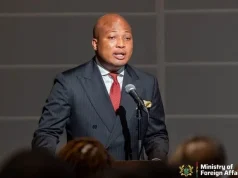
Isaac Adongo, Chairman of Parliament’s Finance Committee and Member of Parliament for Bolgatanga Central, highlighted a major liquidity shortfall at COCOBOD.
“COCOBOD requires over GH¢30 billion in working capital for it to survive, not the GH¢60 billion left behind. If you look at the accounts, you realise that there is a big hole in there,” he stated.
To address the financial pressures, COCOBOD has introduced austerity measures, including salary reductions for its executive management and senior staff. Executives are taking a 20 per cent pay cut, while senior staff will forgo 10 per cent of their salaries.
The salary adjustments have already taken effect and will continue for the remainder of the 2025/26 crop season. The Board projects monthly savings of approximately GH¢5 million from these measures.
The government is also advancing structural reforms to strengthen COCOBOD’s balance sheet. These include seeking parliamentary approval to restructure a GH¢5.8 billion legacy debt owed to the Bank of Ghana and the Ministry of Finance into longer-term instruments.
Additionally, road-related liabilities totaling GH¢4.35 billion are set to be transferred to the Ministry of Roads and Highways and the Ministry of Finance.
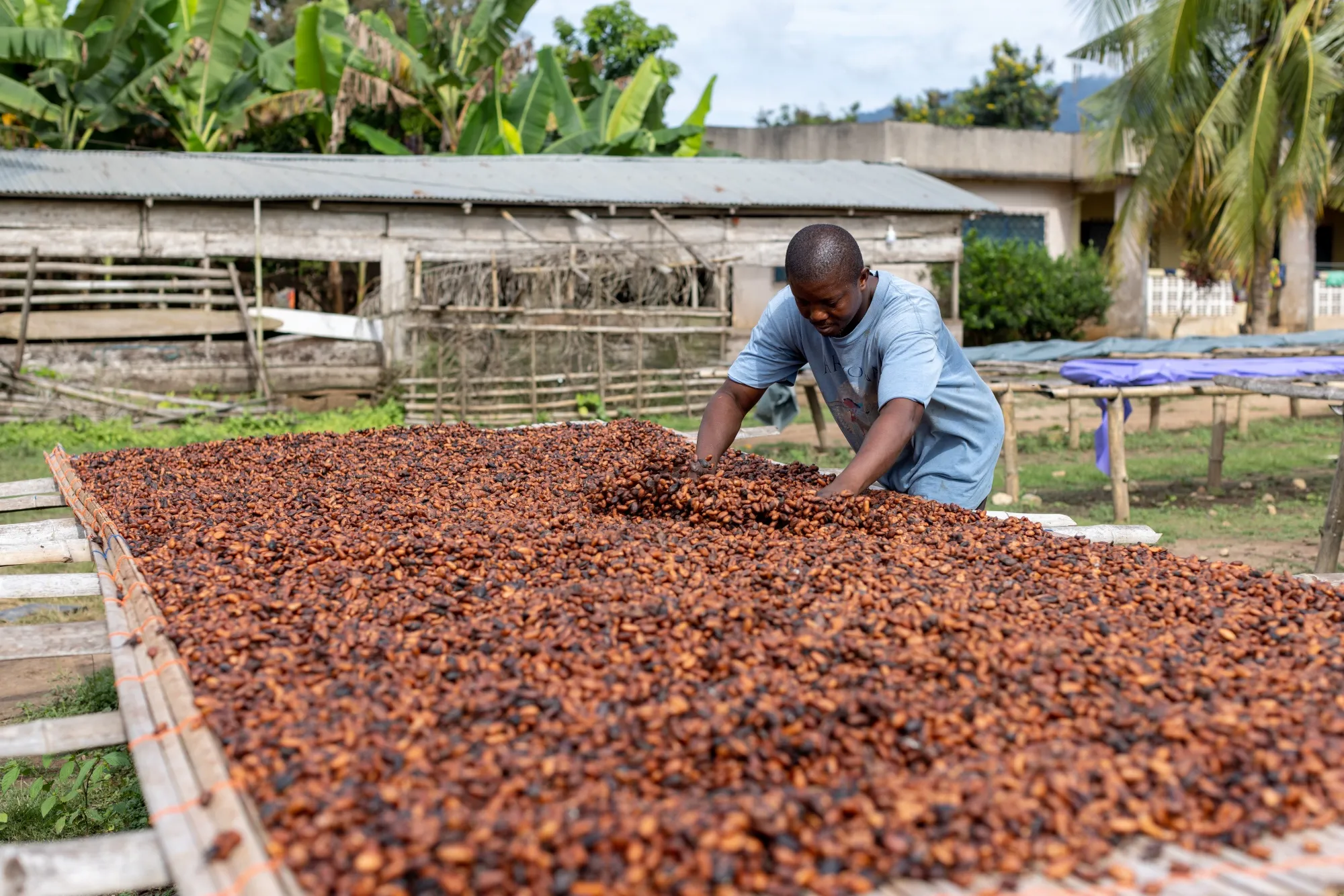
The developments occur against a backdrop of mounting challenges in the cocoa sector, including escalating operational costs, funding difficulties, ongoing concerns about farmer welfare, and intensified public scrutiny over cocoa pricing policies and COCOBOD’s overall financial governance.