
By Seraphine Nyuiemedi
The Executive Director of the Africa Centre for Energy Policy (ACEP), Benjamin Boakye, says Ghana has the resources to build modern hospitals, schools, and roads, but poor spending choices and inefficiencies continue to deny citizens basic services.
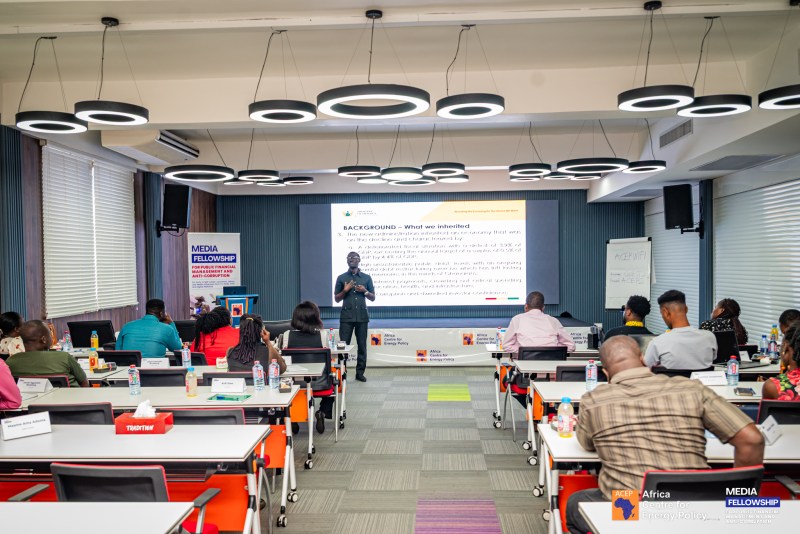
Speaking at a two-day Media Fellowship in Accra, Mr Boakye noted that Ghana has the fiscal space to significantly transform its infrastructure and social services if resources are properly tracked and allocated.
He projected that with effective monitoring and improved governance, the country could mobilise an additional GH₵2 billion in revenue next year, and as much as GH₵50 billion over the next few years. He said these funds could be channelled into critical areas such as education, healthcare, and infrastructure to transform the nation’s development outlook.
Mr Boakye lamented that despite an annual budget of about GH₵50 billion, Ghana still struggles to procure basic medical equipment. He highlighted instances where lifesaving laboratory tools costing less than $10 million remain unavailable, forcing hospitals to outsource simple tests abroad.
“Governments will prioritise anything, but what impacts you? If they need to have a fanfare, they will do that immediately and spend money on it. But when it comes to saving lives with basic equipment, we hesitate,” he said.
He further cited inefficiencies in public service delivery, including inadequate ambulance services and under-resourced hospitals, which he said have cost lives.
Beyond healthcare, Mr Boakye expressed concern about the poor quality of some publicly funded projects. He recounted seeing unsafe school buildings where pupils were barred from upper floors for fear of collapse, as well as offices built without proper slabs or reinforcement.
“These are projects executed with public funds, under the supervision of engineers, yet the results are dangerously inadequate,” he said, stressing that such inefficiencies put citizens at risk while draining scarce resources.
Mr Boakye emphasised that accountability must move beyond budget statements and focus on whether investments truly improve the lives of citizens. He urged journalists to take up the difficult but crucial task of monitoring and exposing inefficiencies and corruption.
“We are depending on you to examine the delivery of public services. This is just the beginning. We must improve governance to improve the lives of our people,” he told participants.

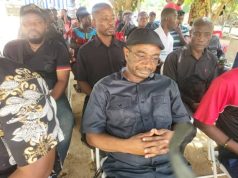
The ACEP Media Fellowship brought together more than 20 journalists from across the country. The two-day training aimed to equip them with skills to track public resource use, investigate governance lapses, and amplify citizen voices in demanding transparency and accountability.
Sessions covered topics including: The state of Ghana’s economy – flashpoints and hopes ahead, Understanding public budgets and analysing fiscal data, Power sector risks and Ghana’s economic sustainability, Effective digital advocacy, and Investigating corruption in public resource management.
Participants were presented with certificates at the end of the workshop.