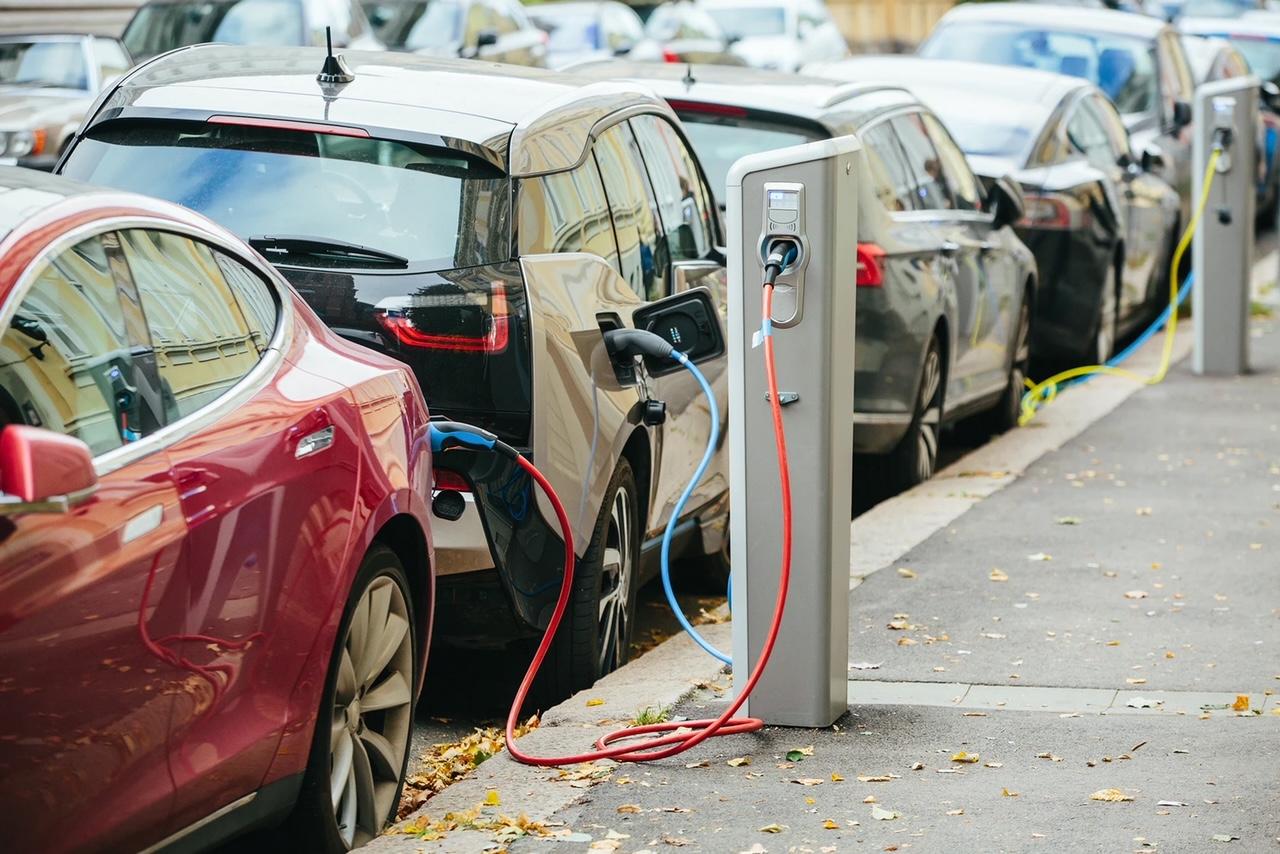

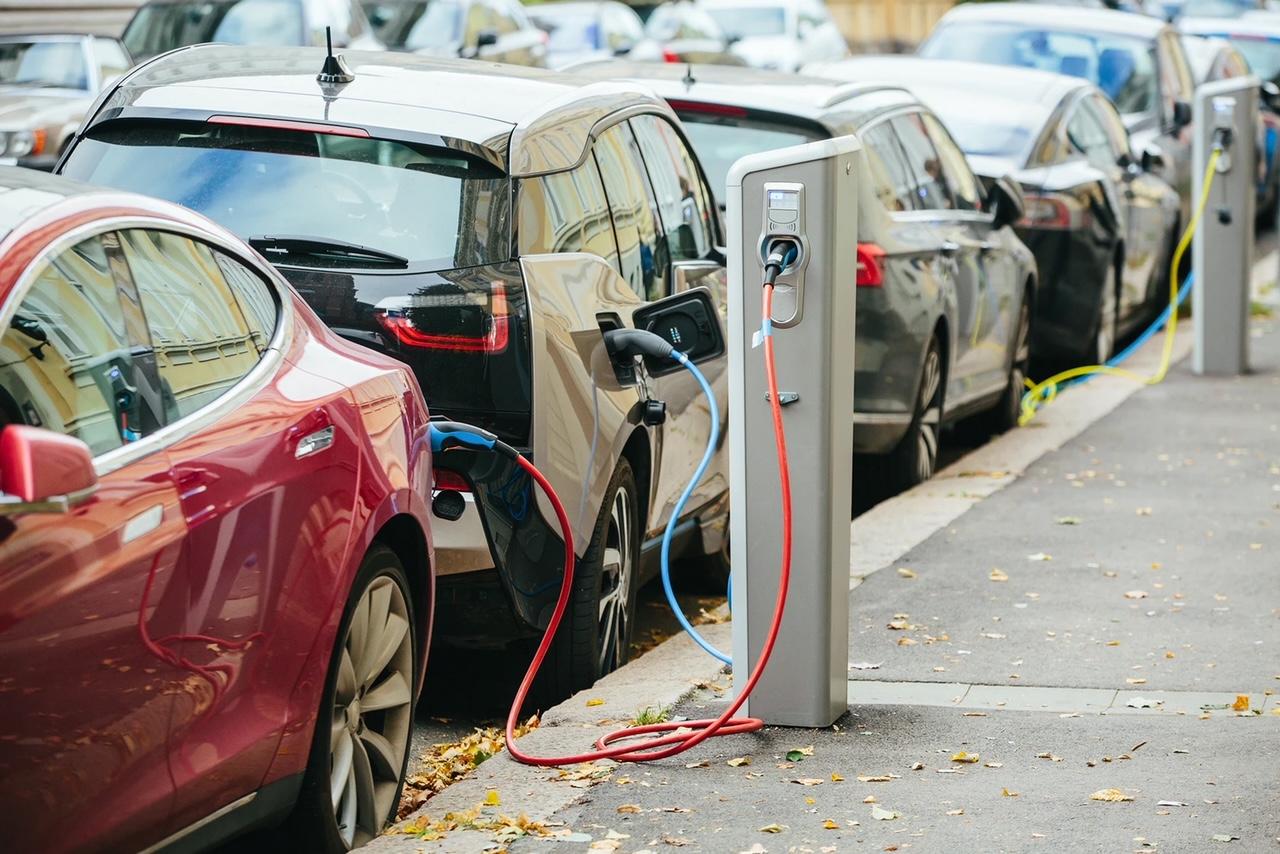
The Energy Commission of Ghana is taking a significant step towards promoting electric mobility in the country, in line with Ghana’s target to phase out Internal Combustion Engines (ICEs) by 2070.
The Commission is hosting a three-day workshop from February 20, 2026, at Ho, to finalise the draft Electric Vehicle (EV) Charging Infrastructure and Battery Swap Systems Regulations.
This move is aimed at establishing safety and technical standards for EV charging infrastructure, to align with Ghana’s climate and sustainability goals.
Giving an overview of the EV charging infrastructure sector at the opening session of the workshop Friday, Ms Joyce Caitlyn Ocansey, the Project Coordinator, Drive Electric Initiative (DEI) at the Energy Commission, said the DEI, launched in 2019, was a key driver of this effort, focusing on promoting electric vehicles for sustainable transport.
She said the objectives of DEI were to promote the alternative and productive use of electricity for vehicular power, prevent Ghana from becoming a dumping ground for ICE vehicles; and ushering in an era of green and sustainable technology to meet climate targets.
Ms Ocansey stated that the Commission had already taken steps to raise awareness and engage stakeholders through workshops and forums, including the E-mobility conference in 2021 and public charging forums in 2022.
She said the establishment of solar-powered charging stations was a key focus, with the Commission launching a demonstrative grid-interactive solar electric vehicle charging station with battery storage at its premises.
Mr Kennedy Amankwa, the Deputy Director, Energy Efficiency Regulation at the Energy Commission, said the Commission-mandated institution for the regulation of EV charging stations, collaborated with the Ghana Standards Authority, to develop and gazette standards for these facilities in 2023.
The draft regulations, being prepared as a Legislative Instrument for Parliament, sought to enforce adopted standards and ensure conformity to international standards and regulations in the EV market, ensure compatibility, guard against factors that affect health and safety of customers and ensure safe transfer of technology, Mr Amankwa said.
Professor John Gartchie Gatsi, the Board Chairman, Energy Commission, said the draft regulations were structured into four key parts, addressing the various facets of EV infrastructure including residential charging stations; public, commercial and workplace charging stations; safety requirements for charging stations and battery swap systems; and siting, cabling, and routing of EV charging stations.
He said the passage of the draft regulations would empower the Energy Commission to “effectively regulate and license all aspects of the EV infrastructure value chain, including the manufacturing, assembly, importation, installation, and operation of charging equipment and battery swap systems.”
Furthermore, the data gathered from these regulated stations would be instrumental in enhancing the Commission’s core mandate of research, planning, and policy regulation, as stipulated in their founding Act, he added.
The ongoing workshop, bringing together the Commission’s Board and the EV Regulations Working Committee for final review, forms part of a broader, inclusive consultative process including regional stakeholder engagements held in Accra, Kumasi, Takoradi, Ho, and Koforidua.
Also, industry consultations with key ministries, departments, agencies, and academia; technical reviews conducted by the Energy Commission Technical Committee; and public input solicited through media dissemination, would help finetune the entire process.
Source: GNA