
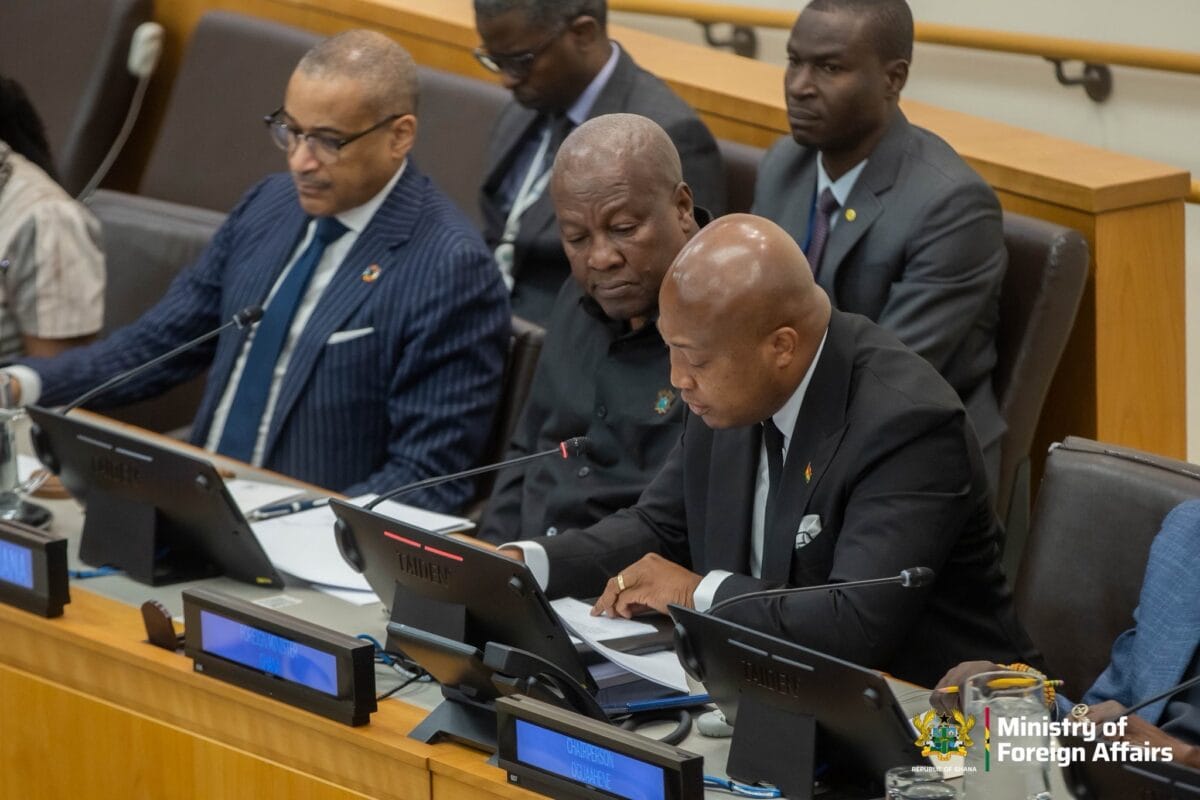
Ghana is on the brink of a historic diplomatic milestone as the United Nations prepares to vote on a landmark resolution seeking to declare the transatlantic slave trade as the gravest crime against humanity.
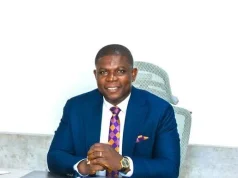
Foreign Affairs Minister Samuel Okudzeto Ablakwa has expressed strong optimism ahead of the vote, describing the moment as a turning point in the global pursuit of justice for people of African descent.
According to him, growing international support signals that the resolution stands a real chance of success.
The proposed resolution, which is being considered at the United Nations, aims to formally acknowledge the scale, brutality, and enduring impact of the transatlantic slave trade.
It represents a bold effort by Ghana, backed by its role within the African Union, to push for global recognition of one of history’s most devastating injustices.
Ablakwa emphasized that the initiative is not only about historical acknowledgment but also about restoring dignity to the millions of Africans who suffered and lost their lives during centuries of enslavement.
He noted that the resolution reflects a collective demand for truth, justice, and moral accountability on the global stage.
The push for the resolution has gained momentum through strong collaboration between African nations, Caribbean states, and other global partners advocating for reparatory justice.
Supporters argue that formally declaring the transatlantic slave trade as the gravest crime against humanity would provide a solid foundation for future discussions on reparations, structural inequality, and historical redress.
As the vote approaches, the international community is watching closely. If adopted, the resolution would mark a significant shift in how the world formally recognizes and addresses the legacy of slavery, moving beyond remembrance to a more concrete framework for justice.
For Ghana, this moment represents more than diplomacy,it is a symbolic and strategic effort to ensure that the suffering of past generations is neither forgotten nor diminished, and that their legacy contributes to shaping a more just and equitable future.