

By Dr. Elikplim APETORGBOR.
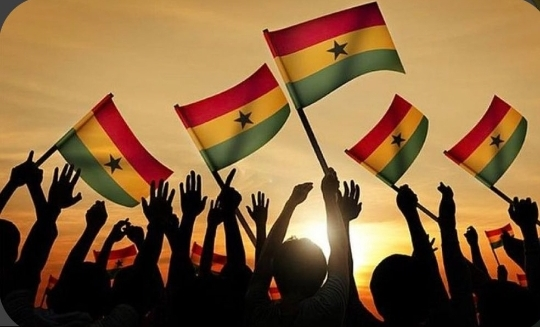
As Ghana proudly commemorates its 69th Independence Anniversary, it is both timely and appropriate to reflect on one of the most strategic pillars of our national development, the evolution and transformation of the electricity sector.
From the early hydro-dominated era led by the Volta River Authority and symbolised by the iconic Akosombo Dam, Ghana’s power sector has matured into a diversified, multi-actor and increasingly competitive electricity market. This transformation has not only strengthened energy security but has also underpinned industrial growth, digital expansion and macroeconomic stability.
Central to this evolution is the indispensable contribution of independent power producers (IPPs), working collectively under the Independent Power Generators Ghana (IPGG).
The market transition: Private capital powering public stability
The structural reforms of the past two decades opened the electricity generation space to private participation at a critical time in Ghana’s development. Rising demand, recurring power shortages and fiscal constraints required innovative solutions and substantial capital mobilisation.
Independent power producers responded decisively. Today, IPPs have:
- Invested approximately US$3 billion in power generation infrastructure in Ghana;
- Contribute about 2366MW installed capacity (including 80MWp Solar), representing approximately 70% of Ghana’s thermal generation; and
- Supply approximately 45% of total electricity generation to the national grid.
This level of participation represents not merely supplementary support, but foundational contribution to national energy security.
Through these investments, Ghana has significantly diversified its energy mix, stabilised supply reliability and reduced exposure to hydrological risk. Private capital has complemented public infrastructure, accelerating generation expansion without immediate fiscal strain on the state.

Strengthening energy security and economic growth
Energy security is not only about installed capacity, it is about dependable delivery, contractual integrity and operational sustainability.
Independent power producers have strengthened Ghana’s energy architecture by providing dispatchable thermal capacity to meet peak demand, absorbing construction, operational, financing, and fuel supply risk, introducing international best practices through structured power purchase agreements, supporting industrial output, mining operations, agro-processing, services, and digital infrastructure. Reliable electricity has directly contributed to productivity gains and macroeconomic performance.
Sacrifice in the national interest
As we mark Independence, it is important to acknowledge the spirit of partnership demonstrated by IPPs during challenging fiscal periods.
In the interest of national stability, IPPs agreed to: Legacy debt discounts totaling approximately US$250 million and agreed to a restructured payment plan and Cancellation of over US$350 million of legitimate and accumulated idle capacity charges.
These were not symbolic concessions, they represented tangible financial sacrifices aimed at restoring sector sustainability and easing public financial pressures. Such commitments reflect confidence in Ghana’s long-term prospects.
A renewed chapter: Improved payment discipline
Encouragingly, recent months have witnessed a positive shift in payment performance. Over the past three consecutive months, current power supply invoices have been settled consistently.
This development deserves commendation. Timely payments Restore investor confidence, Reduce arrears accumulation, Lower financing costs, Stabilize fuel procurement arrangements, Strengthen Ghana’s credibility in international capital markets.
Sustaining this discipline is essential to avoid a recurrence of legacy debt cycles.
The revival of the distribution segment
Equally refreshing and worthy of national recognition is the remarkable recovery of the Electricity Company of Ghana (ECG). Not long ago, ECG faced severe operational and financial distress, threatening the stability of the entire power value chain. Today, however, ECG is regaining its footing by Collecting almost 80% of its power sales revenue and Approaching operational break-even levels.
This turnaround is significant. The distribution segment is the financial heartbeat of the electricity market. Improved collections enhance liquidity across the value chain ensuring that generators, fuel suppliers, and service providers are paid in a timely manner.
The progress made by ECG signals strengthened management, improved revenue mobilization strategies, and enhanced institutional discipline. It also demonstrates that reform and accountability can yield measurable results.
Ensuring continuity and sustainability
While these developments are encouraging, sustainability must remain the guiding principle. As Ghana moves beyond its 69th anniversary, the following priorities are critical:
- Institutionalized payment security mechanisms;
- Continued demand-driven and structured cooperation with the private sector, especially in the generation leg;
- Strengthening domestic gas supply reliability;
- Further reducing technical and commercial losses; and
- Preserving regulatory consistency and depoliticised governance of the sector.
Energy sector stability must transcend electoral cycles. Investor confidence depends on policy continuity and financial discipline.
Energy sovereignty at 69
Ghana’s electricity sector today reflects a powerful story of evolution, from hydro beginnings to a diversified generation portfolio supported by substantial private investment. Independent Power Producers have invested approximately US$3 billion, now delivering 70% of thermal generation and 45% of total generation to the grid, while also granting significant financial concessions in the national interest.
The recent consistency in invoice settlement and the operational revival of the Electricity Company of Ghana are strong signals that the sector is entering a phase of renewed confidence and stabilisation. Energy security is economic sovereignty. Reliable electricity is industrial competitiveness and transparent partnerships are the foundation of sustainable growth.
As Ghana celebrates 69 years of independence, may we consolidate these gains, sustain fiscal discipline, and strengthen the collaborative spirit that powers our national development.
Happy 69th Independence anniversary, Ghana. May our energy sector continue to illuminate the path toward enduring prosperity.
Post Views: 56
Discover more from The Business & Financial Times
Subscribe to get the latest posts sent to your email.