
By Elizabeth PUNSU
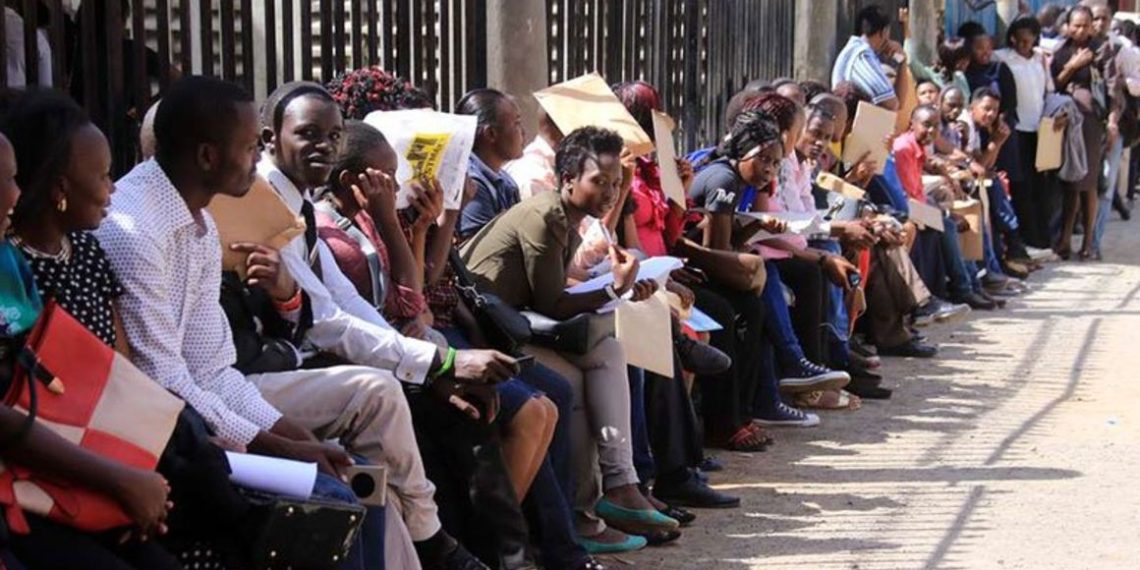
69 years after independence, the country’s labour market presents a complex paradox. While the economy has evolved considerably since first president Dr. Kwame Nkrumah’s era, the twin challenges of unemployment and low salaries continue to weigh heavily on the workforce.
Job creation has not kept pace with population growth, rapid urbanisation and rising educational attainment – and for many who are employed, earnings remain insufficient to meet the cost of living.
Today, the national conversation is no longer centred solely on joblessness. It has expanded to include underemployment, informality and the quality of jobs available to a youthful and increasingly educated population.
The country’s demographic profile is both a strength and risk, with a large proportion of the population being young and in the working-age bracket (15–64 years) – which accounts for approximately 60 percent of the total population. Specifically, 38.2 percent of the population is aged 15-35; the country stands to benefit from a potential demographic dividend.
However, without adequate and sustainable employment opportunities, this youthful energy risks turning into economic frustration.
Ghana posted marginal improvements in employment conditions for 2025, with the unemployment rate standing at 13 percent in the third quarter. While the figures suggest some labour market resilience, they also highlight ongoing challenges in absorbing new entrants, particularly the youth.
The Quarterly Labour Force Survey indicates that unemployment declined steadily from 13.1 percent in fourth quarter-2024 to 12.6 percent by second quarter-2025, before reversing course and rising to 13 percent in the third quarter. Overall, the unemployment rate averaged 12.8 percent across the first three quarters of the year.
A large segment of the workforce operates within the informal sector, characterised by low incomes, job insecurity and minimal social protection. For many young graduates, the problem is not merely finding employment but also securing decent, stable and well-paying jobs.
The mismatch between education and industry demand continues to widen. Universities and technical institutions produce thousands of graduates each year, yet the formal sector- banking, telecommunications, manufacturing and public services – cannot absorb them all. As a result, competition suppresses wages and weakens bargaining power, particularly among young professionals.
At independence, the country inherited an economy largely dependent on cocoa and raw material exports. Despite successive reforms and industrialisation drives, the country remains heavily reliant on commodities such as gold, cocoa and crude oil. These sectors contribute significantly to GDP but generate relatively few direct jobs.
Industrialisation efforts – from state-led enterprises in the 1960s to more recent private-sector-driven initiatives such as ‘One District, One Factory’ – have produced mixed outcomes. Manufacturing’s contribution to GDP has stagnated over time, limiting large-scale job creation.
Macroeconomic instability – marked by inflationary pressures, currency depreciation and high borrowing costs – has further constrained private sector expansion. Small and Medium Enterprises (SMEs), which are critical to job creation, often struggle with access to affordable credit and rising operational costs.
Employment without adequate pay
For many Ghanaians who are employed, low salaries present an equally pressing concern. End of the month often brings anxiety rather than relief, as earnings fail to keep pace with rent, transport, utilities and food prices.
Inflation in recent years has eroded purchasing power, leaving employees across sectors – from retail and hospitality to private security and small-scale manufacturing – struggling to make ends meet. Even entry-level graduates in the formal sector earn modest incomes that leave little room for savings or long-term investment.
Although the National Daily Minimum Wage is reviewed periodically, critics argue that adjustments rarely reflect real market conditions. The gap between statutory wages and a true living wage remains wide.
Employers cite high operational costs, taxes and borrowing rates as reasons for restrained salary increments. Yet employees argue that productivity expectations continue to rise without proportional improvements in compensation. Longer working hours, stricter performance targets and expanded job roles – particularly in banking and fast-moving consumer goods – have become commonplace, often without significant pay adjustments.
The rapid expansion of tertiary education has created what many describe as a graduate paradox. Degrees that once assured stable employment no longer guarantee job security or competitive pay. Many young professionals accept low-paying roles to gain experience, sometimes working for years before seeing meaningful salary progression. Others turn to side businesses – ride-hailing, online trading or freelance digital services – to supplement their income.
Meanwhile, the informal sector remains the backbone of employment in Ghana. Street vending, small-scale trading, artisanal work and subsistence farming provide livelihoods for millions. However, these jobs often lack stability, structured wages and social protection. Earnings from the informal sector are largely determined by daily negotiations and market fluctuations, leaving workers vulnerable to income volatility and exploitation.
The absence of strong collective bargaining mechanisms in many private-sector industries further weakens employees’ ability to negotiate better pay.
Broader economic and social implications
Unemployment and low salaries carry significant macroeconomic consequences. Limited disposable income constrains consumer spending, which in turn affects business growth. Savings mobilisation remains weak, and long-term investments such as home ownership, pension contributions and education planning become difficult.
Some households resort to loans to bridge income gaps, increasing financial vulnerability. Persistent financial stress can affect morale and mental well-being. For many skilled professionals, migration becomes an attractive alternative – contributing to brain-drain in key sectors such as health and technology.
Way forward
Addressing unemployment and low salaries nearly seven decades after independence requires structural transformation rather than short-term interventions.
Industrial policy must prioritise value addition and labour-intensive sectors. Skills development should align more closely with industry needs, particularly in technical and vocational education. Access to affordable finance for SMEs must improve to unlock entrepreneurial potential and stimulate job creation.
Macroeconomic stability is equally essential. Controlling inflation and stabilising the currency will protect real incomes and create a predictable environment for business expansion. This has been evident since the cedi stabilised during 2025.
For Ghana to harness its human capital effectively, growth must translate into decent, productive and sustainable jobs. Nearly 69 years after independence, the challenge is clear: building an economy that creates opportunities and rewards work fairly, ensuring progress is measured not only by GDP figures but also the people’s quality of life.
Post Views: 15
Discover more from The Business & Financial Times
Subscribe to get the latest posts sent to your email.