
Ghana is once again stepping onto the global stage with a proposal that seeks not only recognition of historical injustice but a meaningful pathway toward accountability and healing.
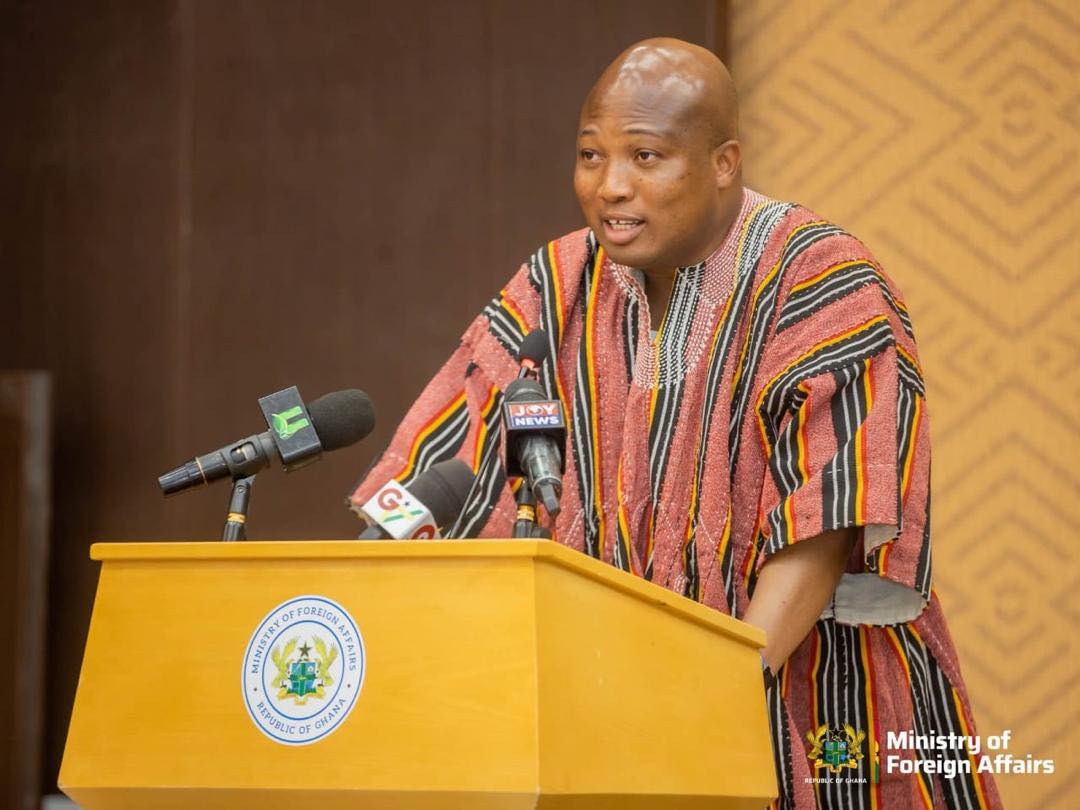
In a compelling piece, Foreign Affairs Minister Samuel Okudzeto Ablakwa outlines the significance of Ghana’s draft resolution before the United Nations,one that aims to declare the transatlantic slave trade as the gravest crime against humanity.
The resolution, expected to be tabled at the United Nations General Assembly, goes beyond symbolic acknowledgment. It seeks to formally recognize the scale, brutality, and long-lasting consequences of the trafficking and enslavement of Africans.
According to Ablakwa, this moment represents a critical turning point in global discourse,one that shifts from remembrance to responsibility.
For centuries, the transatlantic slave trade disrupted societies, dismantled economies, and entrenched systems of inequality that persist to this day.
Ghana’s position, backed by the African Union, frames the issue not merely as a historical event but as a foundational injustice with modern implications.
From economic disparities to structural inequalities in global systems, the legacy of slavery continues to shape outcomes for people of African descent worldwide.
Ablakwa argues that the proposed resolution is “like no other” because it seeks to establish a clear moral and legal basis for reparatory justice.
This includes not only financial considerations but also broader commitments to equity, development, and institutional reform. The resolution calls for a global reckoning,one that acknowledges the enduring impact of slavery and opens the door to structured dialogue on reparations.
The timing of the resolution is also significant. It coincides with the International Day of Remembrance of the Victims of Slavery and the Transatlantic Slave Trade, a day observed globally to honor those who suffered under one of history’s most brutal systems. Ghana’s initiative seeks to elevate this remembrance into concrete international action.
Support for the resolution is steadily growing, with countries across Africa, the Caribbean, and Latin America rallying behind the call.
These regions, many of which still grapple with the socio-economic aftermath of slavery, see the resolution as a step toward restoring historical truth and dignity.
However, the proposal is not without challenges. Conversations around reparatory justice often face resistance, particularly from nations historically linked to the slave trade.
Questions about implementation, scope, and responsibility remain central to the debate. Yet, Ghana’s approach,grounded in diplomacy and coalition-building,signals a strategic effort to build consensus rather than confrontation.
At its core, the resolution is about more than the past. It is about redefining the future. By pushing for recognition at the highest international level, Ghana is advocating for a world that confronts its history honestly and works collectively toward justice.
As Ablakwa emphasizes, this is not just a Ghanaian initiative,it is a global call to action. Whether the resolution is adopted or not, it has already reignited an essential conversation: how the world chooses to address one of the greatest injustices in human history, and what it is willing to do to make it right.