

…Norfund, Axis Pension back GIP
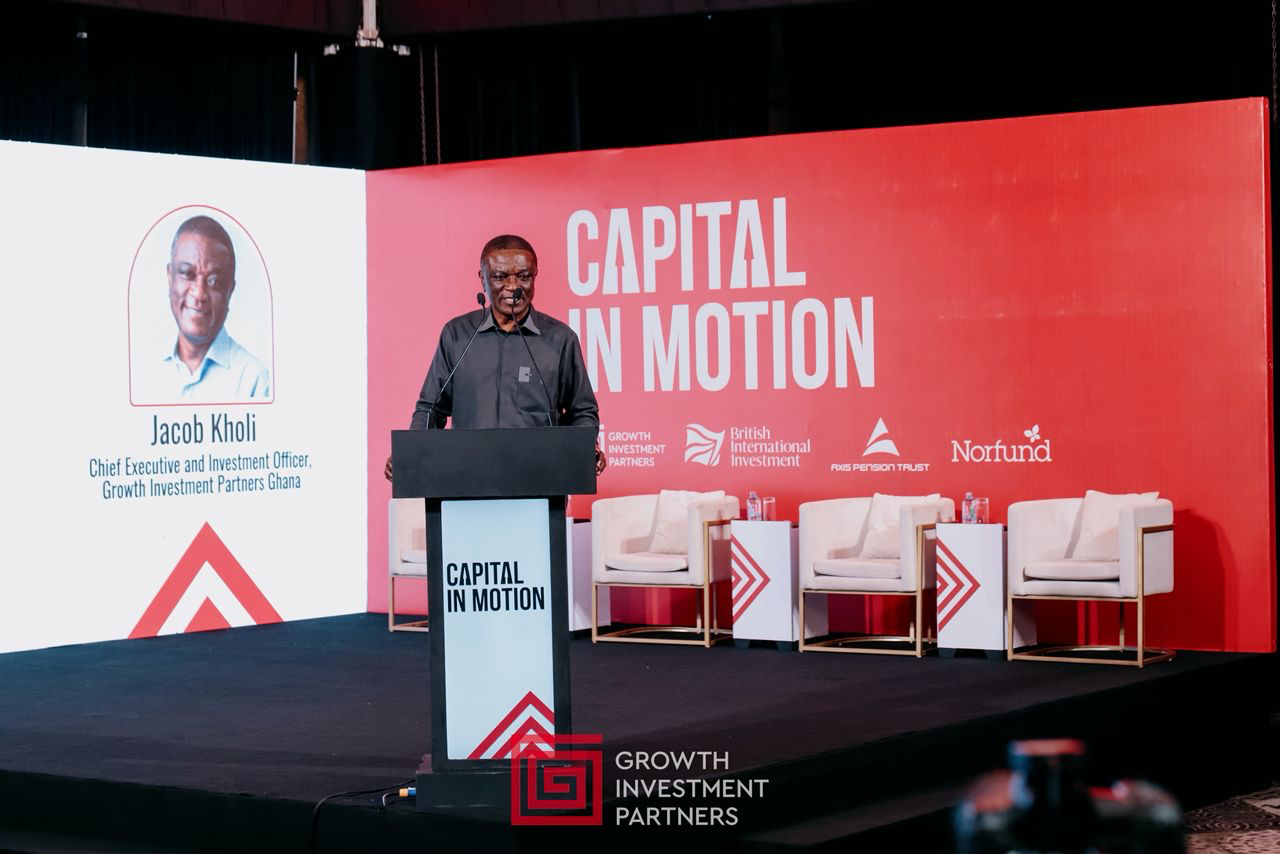
Growth Investment Partners (GIP), an investment platform established by British International Investment, has secured a US$20 million capital injection from Norfund and Axis Pension Trust, lifting its total capital base to about US$70 million and expanding its capacity to finance small and medium-sized enterprises (SMEs) in Ghana.

The new funding—US$15 million from Norfund and US$5 million from Axis Pension—marks a step toward blending foreign and domestic institutional capital in Ghana’s private investment space. It also reinforces GIP’s role in addressing the financing gap between bank lending and traditional private equity.
Chief Executive and Investment Officer Jacob Kholi said the additional capital will directly scale the platform’s investment activity. “It increases our capital base. We have US$20 million more to invest. It will allow us to deploy this capital, reach out to many more businesses, Ghanaian businesses, because that’s our focus and our impact and reach will be extended,” he said.
GIP was launched in 2023 with an initial US$49.5 million commitment and has since deployed about US$41 million into 16 companies across sectors including financial services, agribusiness, logistics and manufacturing. The platform targets SMEs with annual turnover between US$500,000 and US$15 million or workforce sizes of 10 to 300 employees, with eligibility based on meeting at least two of those criteria.
Mr. Kholi said the investment model is structured to address structural constraints in SME financing. “We are providing long-term, flexible, patient capital to Ghanaian businesses and it is meant to plug the gap that exists and enhance their access to funding,” he said. He added that GIP is designed as an open-ended vehicle, allowing capital to be recycled and deployed over longer horizons, with a target of supporting more than 300 businesses over 15 years.
The platform plans to invest in at least 10 additional companies this year, supported by ongoing fundraising efforts. According to Kholi, the model also integrates operational support alongside financing. “What we do essentially is to identify gaps and work with those companies to put in place a corrective action plan to address the gaps,” he said, citing governance, labour compliance and environmental standards as key focus areas.
For Norfund, the investment provides exposure to segments of the SME market it does not typically reach through direct investments. Regional Director for West Africa Naana Winful Fynn said the structure expands both the institution’s reach and impact.
“What GIP allows us to do is to extend or expand our impact as well as our reach. Whilst we do invest directly, GIP invests in several sectors that we don’t invest directly in, so that broadens the reach that we’re able to have with our capital,” she said.
She emphasized the importance of the platform’s financing structure. “It is patient capital, which is extremely important in our context. You need to have capital that is both flexible and patient. It is in local currency, and it can be tailored to the cash flows and the specific needs of the SME,” she said.
Ms. Winful Fynn added that the investment goes beyond financial returns. “It’s really about significant impact… not just in terms of the capital being provided, but also the jobs that will be created and the broader value chain effects, as well as improvements in governance, financial management and environmental and social standards,” she said.
The inclusion of Axis Pension reflects a growing role for domestic institutional investors in private markets. Chief Operations Officer Matthew Mani said the decision to invest was driven by both strategic and developmental considerations.
“If you have foreign institutions bringing capital to help your SMEs and you are an institution in Ghana, it is your first obligation to support, to make sure that capital goes to the backbone of the economy,” he said.
He also highlighted the benefits of co-investing with experienced international partners. “These institutions have a long track record of investing around the world. So, co-investing with them enables us to get benefit from their expertise… we participate in the governance, and we also learn the process, because private investing is a bit new in Ghana,” Mr. Mani said.
Beyond immediate returns, Axis Pension expects longer-term systemic benefits. “Repeat this process for 25 years and then you will find that the economy will have experienced a big difference,” he said, linking SME growth to job creation and pension contributions.
Since inception, GIP’s portfolio companies have supported more than 3,300 jobs, including over 500 new roles. About 84 percent of its investments are in black-owned or led businesses, with a similar proportion meeting gender inclusion criteria.
The transaction comes as Ghana seeks to deepen private sector financing amid persistent credit constraints for SMEs. By combining foreign direct investment with domestic pension capital, GIP’s model signals a potential pathway for mobilising long-term funding within the local economy, while strengthening governance and operational capacity at the firm level.
Post Views: 1
Discover more from The Business & Financial Times
Subscribe to get the latest posts sent to your email.