
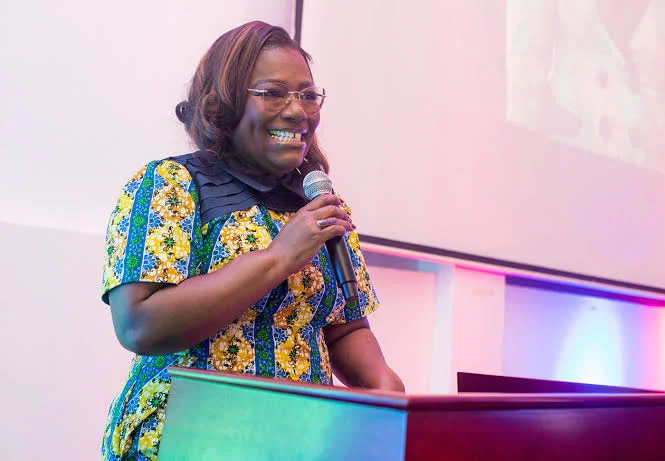
The Deputy Chief of Staff, Nana Oye Bampoe Addo, has reaffirmed the government’s commitment to ensuring that housing in Ghana remains affordable and accessible to all citizens.
She described housing as a productive resource that supports health, education, job creation, and overall economic growth. Housing, therefore, goes beyond merely providing shelter.
Speaking at the opening of the National Homeownership Fair in Accra on Thursday, March 5, 2026, she noted that the event is being held under the theme “Building Ghana, One Home at a Time.”
Her comments come at a time when Ghana continues to grapple with a critical housing deficit. The country’s housing shortfall is estimated at more than 1.8 million units (as of 2025 figures), largely due to rapid urbanisation, population growth, and limited access to housing finance.
According to Nana Oye, the government is determined to complete key housing initiatives across the country, including the Saglemi Affordable Housing Project, the Ho Oxygen City development, and the District Housing Programme.
All of these she noted are intended to expand access to affordable homes for ordinary workers, civil servants, and professionals.
She further applauded the ongoing legislative efforts aimed at strengthening the housing sector, particularly the modernised Rent Control Bill, which she said would protect tenants and contribute to a more structured and efficient housing system.
The Deputy Chief of Staff appealed to stakeholders in the housing value chain to continue working together, assuring that the development of adequate housing requires sustained cooperation and coordinated action.
“Collaborative efforts with developers, financial institutions, local authorities, and traditional leaders are central to scaling up housing delivery across the country,” she said.
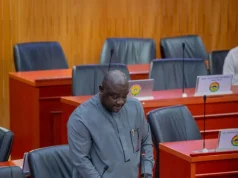
The Deputy Minister of Finance, Thomas Nyarko Ampem, explained that the goal of making housing affordable in Ghana depends largely on macroeconomic stability, sustainable financing models, and structural reforms that reduce the cost of homeownership.
He indicated that the housing shortfall should not only be viewed as a social issue but also as an economic one, explaining that poor housing conditions, high rental costs, and long commuting hours can negatively impact productivity, health, and educational outcomes.
Mr. Ampem revealed that the Ministry is enhancing collaboration with pension funds, banks, and development finance institutions to mobilise long-term capital for housing projects.
The National Homeownership Fair is a vital avenue for dialogue and cooperation among developers, financiers, regulators, and citizens, with the ultimate aim of making homeownership a reality for more Ghanaians, he emphasised.