

By Ashiadey Dotse
The Ghana Revenue Authority (GRA) has exceeded its revenue target for the first nine months of 2026 by GH¢1.4 billion, despite recording a shortfall in Value Added Tax (VAT) collections.
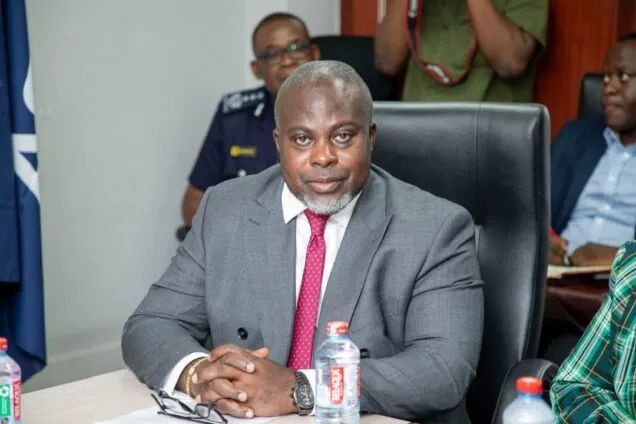
The Commissioner-General of the GRA, Anthony Kwasi Sarpong on Tuesday, October 14, 2026, said the Authority collected GH¢167 billion by the end of September, exceeding its target of GH¢165.6 billion.
He said the performance puts the Authority on course to achieve its annual revenue target of GH¢225 billion by the end of December.
Mr. Sarpong disclosed the figures while briefing Parliament’s Public Accounts Committee on the GRA’s revenue performance.
He explained that direct taxes performed above target, with collections reaching GH¢71.6 billion against a target of GH¢66 billion, representing an excess of GH¢5.5 billion.
Royalties also exceeded their target of GH¢6.7 billion, with the Authority collecting GH¢8 billion, about GH¢1.2 billion above expectations.
However, indirect tax collections fell below target, mainly due to weak VAT performance.
According to Mr. Sarpong, indirect tax collections stood at GH¢29.6 billion against a target of GH¢37 billion.
He identified VAT compliance as a major challenge, saying many businesses were either not registered for VAT, failing to charge the tax or collecting it without paying it to the GRA.
He cited the Electricity Company of Ghana (ECG) as an example of an entity registered for VAT but allegedly failing to collect the tax as required.
The Commissioner-General said the Authority was taking steps to improve compliance and increase revenue from VAT.
Among the measures is a national compliance programme launched to strengthen enforcement.
He also mentioned a mobile application that allows GRA officers to verify VAT invoices and transmit information to the Authority’s headquarters for monitoring.
The system is expected to help the GRA track businesses’ monthly tax performance and identify cases of non-compliance.
Mr. Sarpong added that the Authority planned to automate VAT charging and collection for most businesses from next year to improve enforcement.
He described VAT as a major opportunity for increasing government revenue and said the GRA was focused on addressing the weaknesses in its collection.
Customs collections below target
The Commissioner-General further disclosed that customs revenue also fell short of its target for the first nine months of the year.
The GRA had targeted GH¢48.4 billion from customs but collected about GH¢46.9 billion, leaving a shortfall of approximately GH¢1.4 billion.
He said the Authority was working to recover the deficit before the end of the year.
Revenue from domestic taxes and customs stood at about GH¢156.3 billion against a combined target of GH¢158.7 billion.
However, collections from the Energy Sector Recovery Levy performed strongly, reaching approximately GH¢10.8 billion against a target of GH¢6.8 billion.
This represented an excess of about GH¢4 billion and helped push the Authority’s overall revenue above its September target.

The committee also urged the GRA to address outstanding balances owed by public institutions, including ECG, Ghana Airports Company Limited and the Tema Oil Refinery.
During the engagement, Mr. Sarpong also faced questions about the 20% tax charge on subscriptions to digital services such as Netflix, Spotify and ChatGPT.
He explained that VAT on imported digital services had been provided for under Ghana’s VAT law since 2013, with the new measures aimed at improving collection from foreign service providers.
He said the Authority was working to ensure that the taxes due from such transactions were properly collected and paid to the government but not an introduction of new tax.