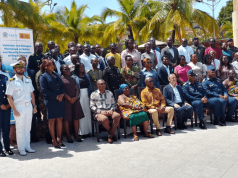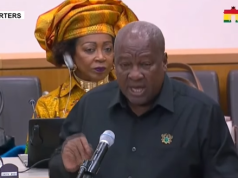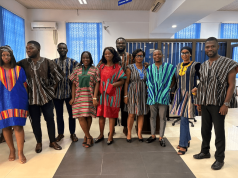

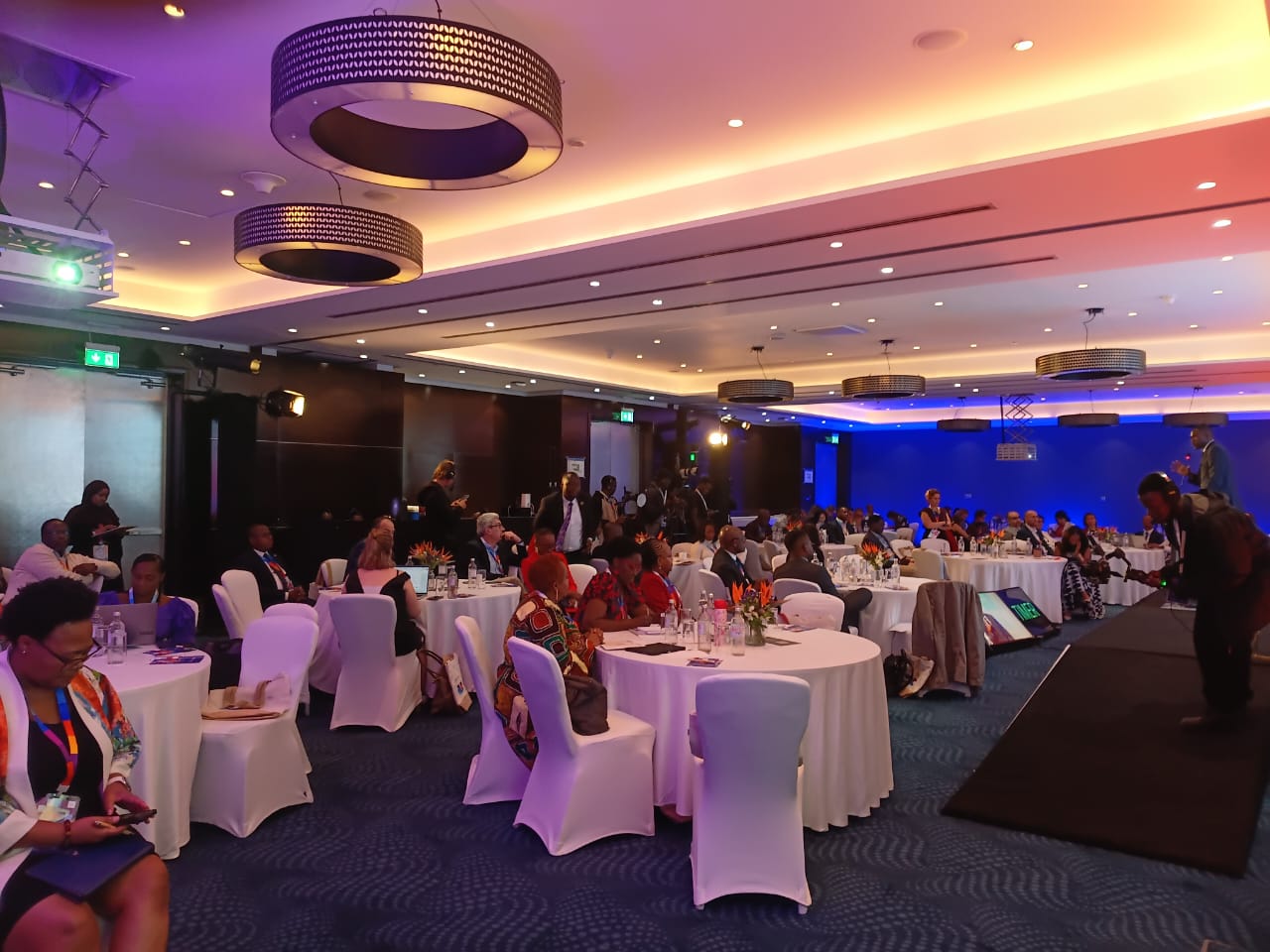
The Roche Africa Press Day has opened in Nairobi with a bold call to reframe how governments, partners and the media understand the true value of health.
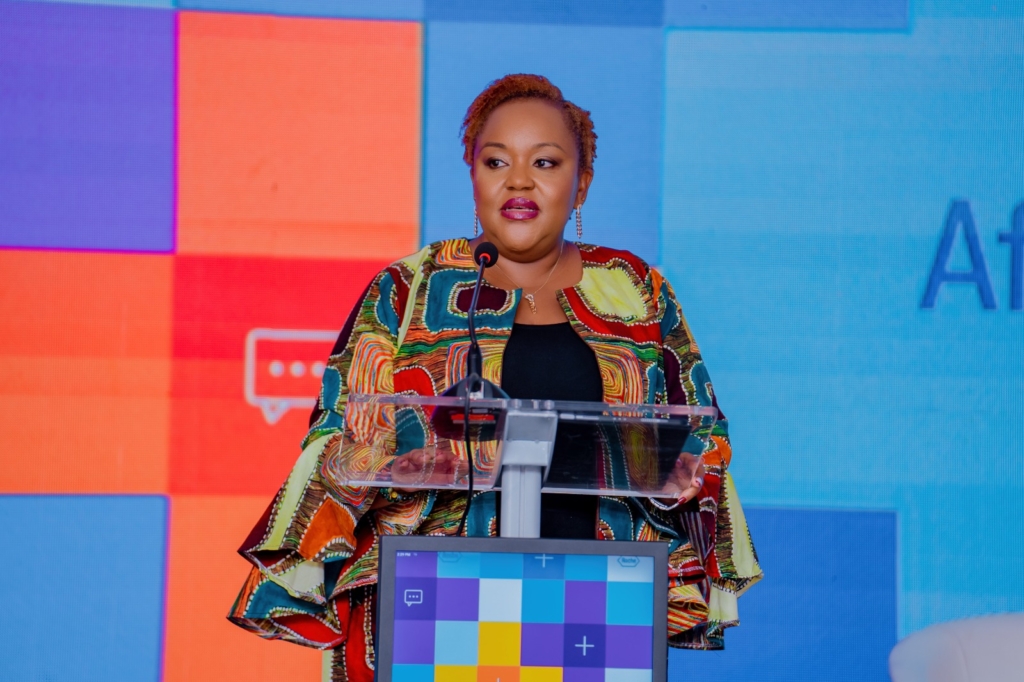
Delivering the welcome address, Jacqueline Wumbua, General Manager for East and West Africa at Roche, challenged a long-standing fiscal mindset that has shaped health policy debates across the continent.
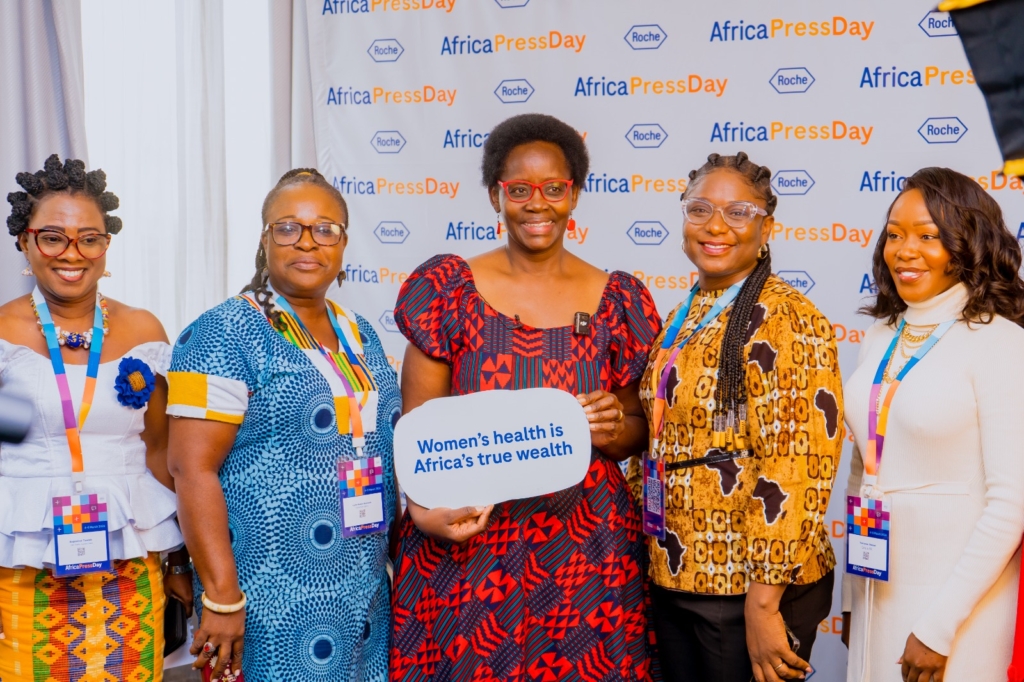
“For far too long, health has been treated as a cost, a line item in a budget, something to reduce when resources are scarce. That way of thinking no longer serves us as a continent.”
She urged African countries to see health not as an expenditure, but as economic infrastructure.
“This is the moment to change our conversation, where health is no longer a cost, but health is wealth.”
Wumbua anchored her argument in demographics and productivity, stressing that Africa’s youthful population represents opportunity but only if protected by resilient health systems.
“If you want to make smart investments, follow the data and the data leads us to women.”
Her emphasis on women’s health comes at a critical time. In 2022, Africa recorded an estimated 198,300 new breast cancer cases and 91,300 deaths, accounting for nearly 9 percent of global diagnoses but almost 14 percent of global breast cancer deaths.
While survival rates in high-income countries exceed 90 percent at five years, longitudinal data from several sub-Saharan African countries show survival dropping to about 40 percent at five years, and roughly 33 percent at seven years after diagnosis.
The disparity is driven largely by late detection. Between 50 and 70 percent of African women are diagnosed at Stage III or IV, when treatment is more complex, more expensive and less likely to be curative. For many women, the gap is not scientific knowledge, it is access.
“This is not a science gap. It is an access gap.”
Distance to treatment centres further compounds the crisis. Women who live more than 50 kilometres from specialised oncology services have significantly higher mortality rates, even when diagnosed early. Across the WHO African Region, only a handful of countries operate organised breast cancer screening programmes, leaving most women dependent on opportunistic detection. Pathology capacity which is critical for accurate diagnosis and treatment planning remains severely limited in many settings.
Dorothy Nyong’o set an emotional and moral tone for the conference, grounding the statistics in lived experience. Her husband is a cancer survivor. She also lost a close friend to breast cancer and that friend’s mother later developed the disease.
“Prioritising cancer is a moral duty, with focus on investing in prevention, screening and timely diagnosis.”
She warned that even after diagnosis, fragmented systems undermine survival.
“We also need faster treatment pathways and patient navigation. We lose a lot of patients in the journey.”
Indeed, observational studies from parts of East and West Africa indicate that more than 15 percent of women diagnosed with breast cancer do not initiate treatment within a year, often due to cost, delays, or system inefficiencies. For many families, the loss reverberates across generations. For every 100 women who die prematurely from cancer in sub-Saharan Africa, more than 200 children are left without a mother.
In his keynote address, Dr. Ouma Oluga (MD), Principal Secretary in the State Department for Medical Services at Kenya’s Ministry of Health, pushed the conversation into the realm of policy and power.
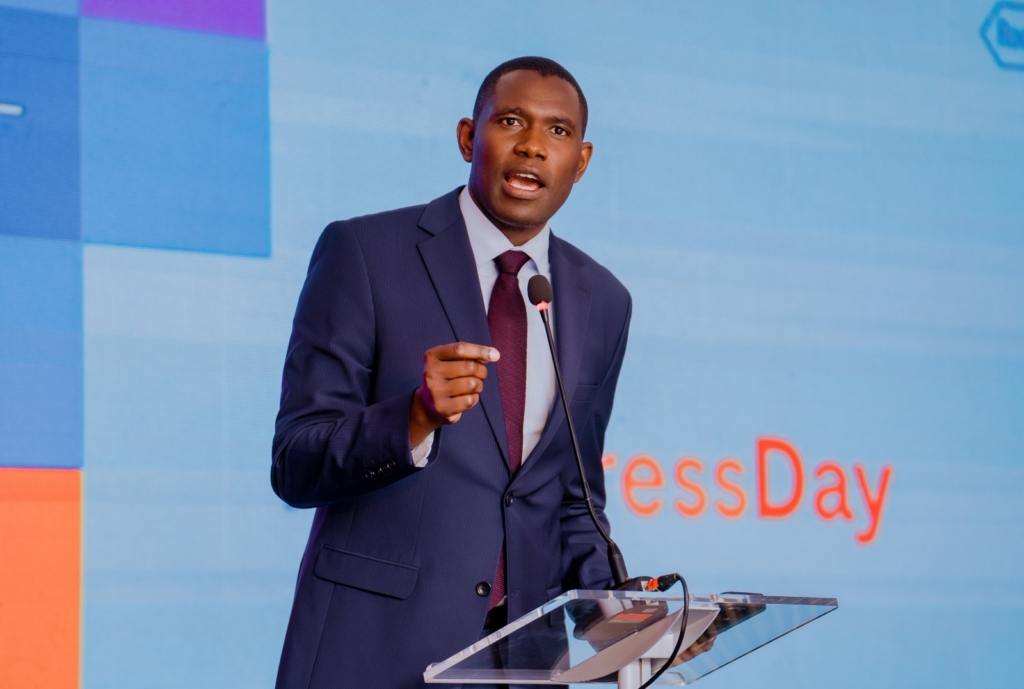
“Policy frameworks are largely driven by consensus… and the voices that are loudest often take the centre stage in driving policy.”
He challenged the media to reflect on how health stories are framed.
“The solutions largely exist. The problems also largely exist. But in between, there is some problem. That problem is shaped by narratives.”
Painting the picture of a woman travelling overnight to seek care at Kenyatta National Hospital, anxious, in pain, unsure whether she can afford therapy, he reminded participants that conferences and communiqués must ultimately translate into functioning systems.
“More than 7,000 Kenyan women who are suffering from breast cancer… all they care about is that the system worked.”
With many African countries spending less than $35 per capita on health annually, he posed a difficult question to policymakers and partners alike:
“Is it value for the money, or is it value for the life?”
The economic implications are profound. Untreated or late-treated disease drains productivity, weakens households and slows national development. Africa’s cancera burden is projected to double by 2040, yet many countries still allocate less than five percent of their health budgets specifically to cancer care. In that context, the argument advanced at the Press Day was not abstract, it was urgent.
Wumbua closed with a reminder that infrastructure and medicine alone are not enough.
“We can build the hospitals. We can build medicines. We can even strengthen those systems. But we cannot change the mindset without you.”
As the conference continues in Nairobi, the message resonating from the opening ceremony is clear: breast cancer survival in Africa is not limited by science, but by systems, financing and narrative choices. And unless health is treated as an investment in productivity, dignity and generational stability, the continent risks losing not only mothers and daughters but also its economic future.
“What is health worth? … For me, the answer is simple. Everything.”
DISCLAIMER: The Views, Comments, Opinions, Contributions and Statements made by Readers and Contributors on this platform do not necessarily represent the views or policy of Multimedia Group Limited.
DISCLAIMER: The Views, Comments, Opinions, Contributions and Statements made by Readers and Contributors on this platform do not necessarily represent the views or policy of Multimedia Group Limited.
Source link