


By Sandra Agyeiwaa Otoo
Vice-President of the Ghana National Chamber of Commerce and Industry (GNCCI), Emelia Asiakwa, has called for deliberate investment in women as a key driver of inclusive economic growth.
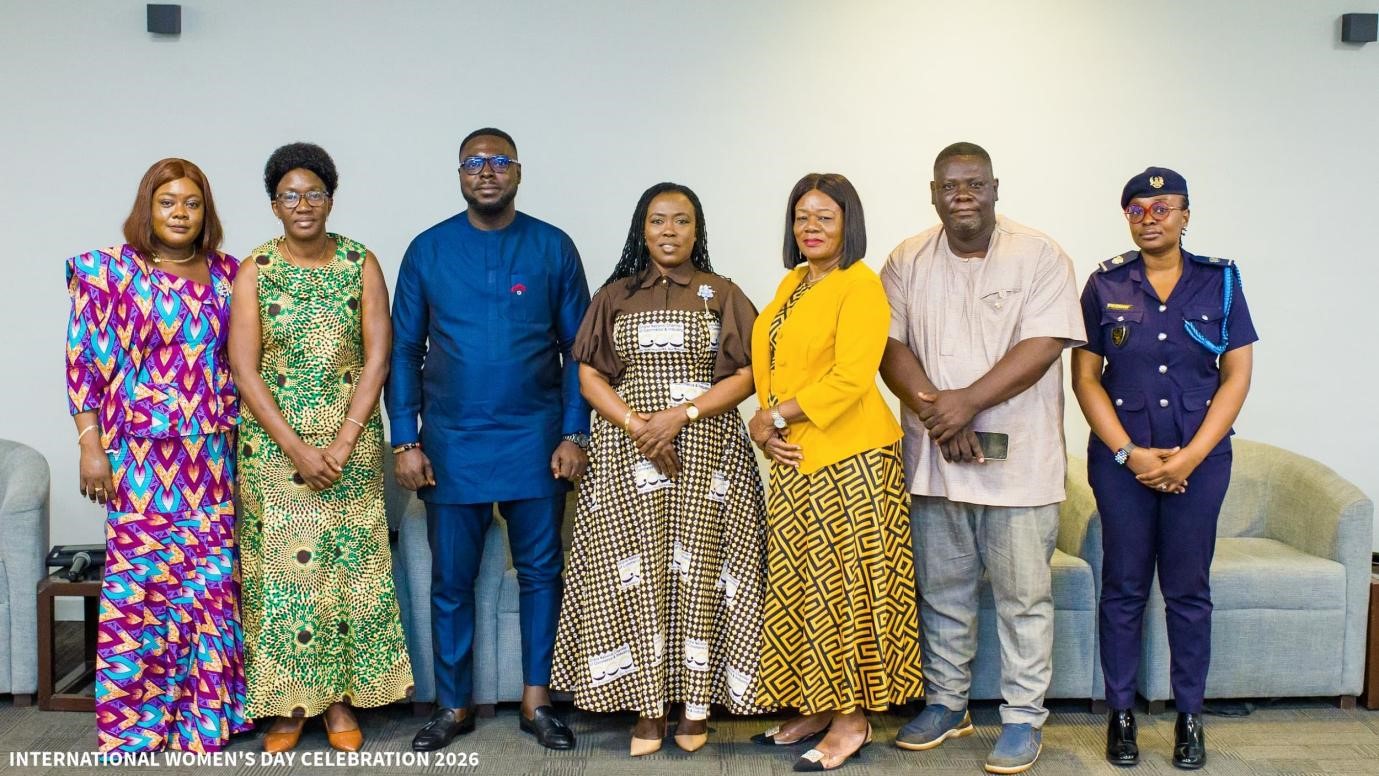
She made the call at the International Women’s Day National Economic Empowerment Programme, held in partnership with TradeMark Africa (TMA), where stakeholders discussed ways to strengthen women’s participation in business and trade.
Mrs. Asiakwa said national policies, financial systems and institutional frameworks must intentionally support women entrepreneurs, stressing that gender equality is not only a social goal but also an economic necessity.
The programme, on the theme ‘Rights, justice, action for all women: Investing in women, promoting economic growth’, explored issues including gender-sensitive policies, access to finance, innovation, digital inclusion and enforcement of equality laws.
She noted that women play a significant role in entrepreneurship in Ghana and globally, operating thousands of micro, small and medium-sized enterprises that support livelihoods and contribute to economic development.
Mrs. Asiakwa added that evidence shows women reinvest more in their families, education and health, strengthening both the social and economic fabric of society.
However, she observed that women entrepreneurs continue to face challenges such as limited access to finance, market constraints and regulatory barriers. She called for more inclusive financial systems and stronger institutional support to address these gaps.
She also raised concerns about the safety of women engaged in cross-border trade, citing recent incidents involving Ghanaian traders in Burkina Faso. She urged closer collaboration among governments, security agencies and trade institutions to ensure safer trading environments.
Mrs. Asiakwa further highlighted the economic potential of women-owned businesses, noting that they contribute to job creation, revenue generation and innovation. She said improving women’s access to finance and markets, including opportunities under the African Continental Free Trade Area (AfCFTA), is essential.
She emphasised the need for stronger policy dialogue between women entrepreneurs, regulators and development institutions to address structural barriers limiting women’s participation in trade.
Mrs. Asiakwa reaffirmed GNCCI’s commitment to advocating policies and programmes that support women-owned businesses and promote inclusive growth.
Director for West Africa and AfCFTA at TradeMark Africa, Harriet Gayi, also underscored the importance of investing in women, describing it as one of the most effective ways to drive economic growth.
She said gender-inclusive trade policies, improved market access and targeted partnerships can significantly enhance outcomes for women entrepreneurs.
Ms. Gayi added that while AfCFTA presents a major opportunity to transform Africa’s trade landscape, its full potential will not be realised unless women and young entrepreneurs are fully integrated into the trading system.
Post Views: 22
Discover more from The Business & Financial Times
Subscribe to get the latest posts sent to your email.