Why bold, independent reporting is essential in an era of disinformation, technological disruption, and political polarisation.
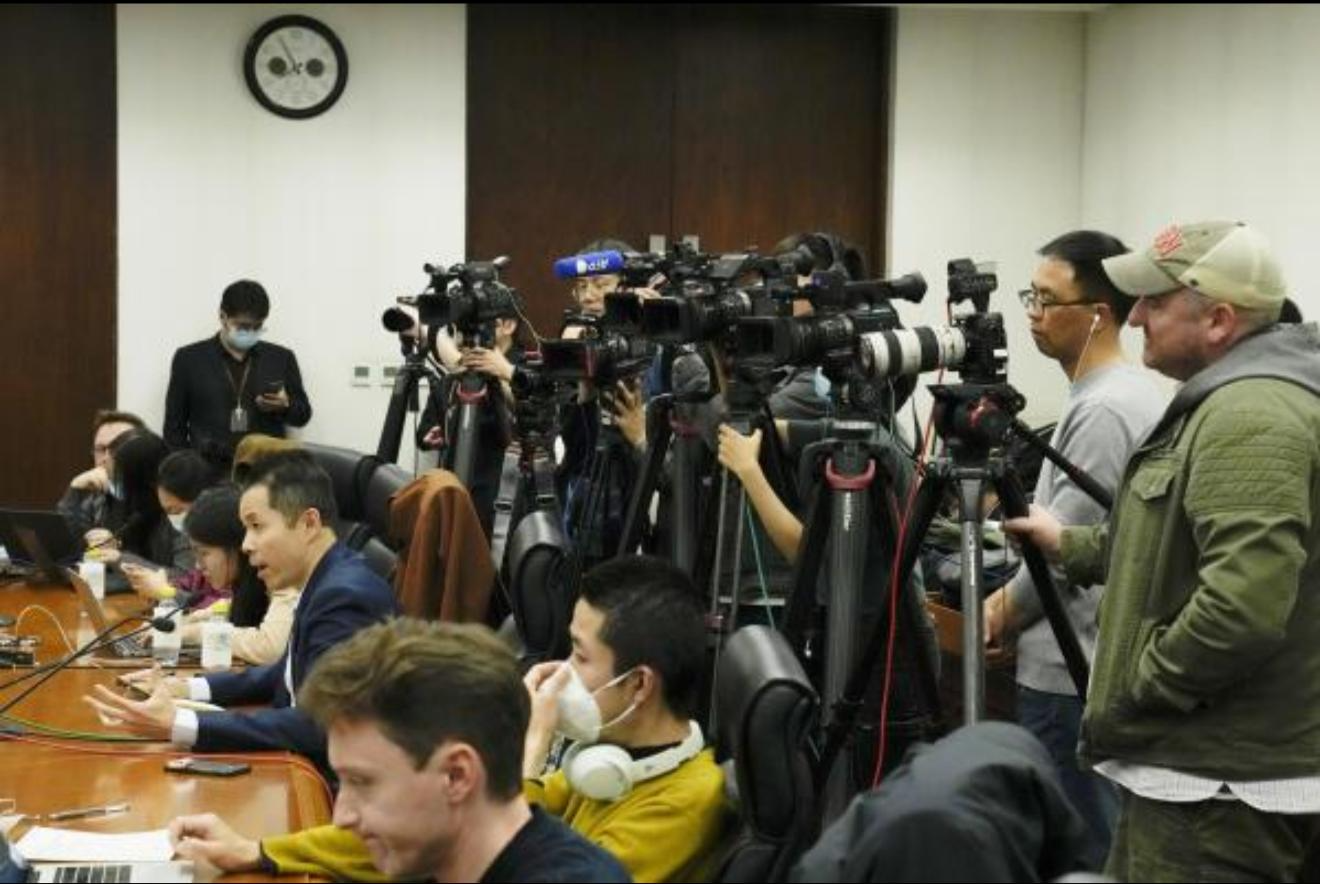
Bonn, Germany — As journalists from across the globe gather for the 2026 DW Global Media Forum under the theme “Journalism out loud!”, the profession stands at a defining crossroads. The challenge is no longer simply to report the news, but to defend truth, rebuild public trust, and reaffirm journalism’s central role in democratic societies.
The Crisis of Truth in the Digital
In an age shaped by the rapid flow of information and the growing dominance of digital platforms, the line between fact and falsehood is increasingly blurred. Disinformation spreads faster than ever, often amplified by algorithms designed to maximise engagement rather than accuracy.
In such an environment, silence or hesitation allows false narratives to take root. Journalism must therefore do more than inform it must stand firm, speak clearly, and be heard. The call for “journalism out loud” is not symbolic; it is essential.
Disinformation and the Erosion of Democracy
Recent election cycles have underscored the scale of this challenge. During the 2024 elections in several regions, coordinated misinformation campaigns spread widely across social media, distorting public discourse and eroding trust in institutions.
In countries such as the United States, false narratives surrounding electoral processes continued to circulate, deepening divisions and weakening public confidence. Earlier cases, including the Cambridge Analytica scandal, revealed how data-driven manipulation can influence political behavior at scale, raising enduring concerns about the integrity of democratic systems.
In my own reporting experience in Ghana, I have seen how quickly misinformation can take hold within communities, shaping public perception before verified facts can catch up. As skepticism toward traditional media grows, the gap between journalists and the audiences they serve continues to widen, further intensifying polarisation.
Yet, this moment of crisis also highlights journalism’s enduring value. Independent reporting remains one of the most powerful tools for holding power to account and ensuring transparency. Whether exposing corruption, documenting human rights abuses, or providing verified information in times of uncertainty, journalism continues to serve as a vital safeguard of democracy.
The digital age has transformed journalism
Technology, however, presents a double-edged reality. While digital tools have expanded access to information and enabled journalists to reach global audiences instantly, they have also lowered the barriers to publishing unverified content.
Artificial intelligence is now reshaping the media landscape offering new possibilities for storytelling and investigation, while raising critical ethical questions around authenticity, authorship, and accountability.
In this context, media literacy is no longer optional it is indispensable. Audiences must be equipped not only to consume information, but to critically evaluate it. Strengthening media literacy requires a collective effort involving journalists, educators, technology companies, and policymakers.
At the same time, press freedom continues to face mounting challenges worldwide, with misinformation and political pressure contributing to declining trust in media institutions.
Polarization puts journalism under pressure
Political polarisation further complicates the work of journalists. In deeply divided societies, reporting is often interpreted through partisan lenses, with accusations of bias arising regardless of adherence to facts. Yet journalism’s responsibility is not to appease every perspective it is to remain accountable to truth. Neutrality must never be mistaken for passivity; in the face of falsehood, clarity is an obligation.
The role of technology companies also demands closer scrutiny. Platforms that shape the flow of information wield enormous influence over public perception. Greater transparency in algorithmic systems, stronger support for fact-checking initiatives, and more responsible content moderation are essential to curbing the spread of disinformation.
As discussions unfold in Bonn, one message is unmistakable: the future of journalism will depend not only on its ability to adapt, but on its willingness to lead. In an era of rapid information warfare, journalism cannot afford to be reactive it must be proactive, assertive, and principled in defending truth.
Journalism’s voice must remain strong
At its core, journalism is not merely about delivering information. It is about defending truth, challenging power, and enabling informed public debate. In a world saturated with competing narratives, credible journalism must rise above the noise—not by shouting louder, but by speaking with clarity, integrity, and courage.
Today, more than ever, journalism must be heard—out loud.
About the author
Emmanuel Adu Kwarteng is a journalist and media practitioner focusing on press freedom, global media development, and the role of journalism in democratic societies
DISCLAIMER: The Views, Comments, Opinions, Contributions and Statements made by Readers and Contributors on this platform do not necessarily represent the views or policy of Multimedia Group Limited.
DISCLAIMER: The Views, Comments, Opinions, Contributions and Statements made by Readers and Contributors on this platform do not necessarily represent the views or policy of Multimedia Group Limited.
Source link