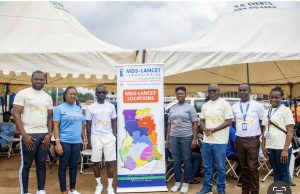


Karpowership Ghana in collaboration with education and gender ministries held a programme in Takoradi inspiring over 300 female students to explore careers in traditionally male dominated technical and vocational fields.
The initiative held at Fijai Senior High School in October brought together students from 10 basic and senior high schools alongside teachers and parents to commemorate the International Day of the Girl Child. The event themed Girls Vision for the Future featured presentations from guest speakers, hands on demonstrations by TVET students and mentorship breakout sessions with professionals working in technical fields.
The programme was organized in partnership with the Ghana Education Service, the Ministry of Gender, Children and Social Protection and TVET Services. Students engaged in one on one and small group discussions with industry professionals, gaining insights into potential career pathways available in science, technology, engineering and mathematics sectors.
Communications Manager at Karpowership Ghana Sandra Amarquaye underscored her company’s commitment to supporting initiatives empowering young girls, particularly in fields where they remain underrepresented. She emphasized the importance of creating opportunities for girls to achieve their dreams despite systemic barriers limiting their progress.
Amarquaye called on stakeholders including parents, teachers and community members to support girls in overcoming obstacles. She stressed that achieving Sustainable Development Goal 5 on gender equality requires dismantling social, economic and cultural barriers obstructing girls from fulfilling their potential in education and career development.
According to Amarquaye, families and governments must prioritize education and empowerment of girls.
Regional Girls Officer at the Ghana Education Service Josephine Christian Roman expressed gratitude to Karpowership Ghana for spearheading the initiative. She appealed to parents to allow their children freedom to explore fields of interest while providing guidance to help them make informed choices about future careers.
Regional Director at the Department of Gender Maribel Akuorkor Okine highlighted the importance of supporting girls throughout educational journeys. She stated that empowering young women in technical and vocational education is crucial for achieving gender equality and fostering sustainable national development.
Beatrice Forson, TVET desk officer, emphasized the importance of technical and vocational education for girls. She called for sustained support and encouragement, noting that such initiatives empower girls to make career choices shaping their futures beyond traditional gender expectations.
Several student participants shared excitement about the programme impact on their career perspectives. Maame Afua, a junior high school student, said the event opened her eyes to new possibilities including pursuing engineering careers she had not previously considered.
Emmanuella Robert, another participant, expressed inspiration to pursue TVET studies. She stated that more events like this would help additional girls feel confident exploring technical fields where female representation remains limited across Ghana.
The programme aligns with Karpowership Ghana’s broader commitment to achieving gender equality through targeted interventions supporting young women. The organization has successfully mentored over 400 young women through various empowerment programmes focused on the girl child.
The International Day of the Girl Child observed annually on October 11 was established by the United Nations General Assembly in 2011 to recognize girls rights and unique challenges facing young women globally. The 2024 theme Girls Vision for the Future emphasizes listening to girls and investing in solutions that accelerate progress toward futures where every girl can fulfill potential.
Karpowership Ghana runs multiple initiatives supporting female education and empowerment in Ghana. The company operates a scholarship scheme in partnership with Takoradi Technical University focusing on supporting female engineering students studying mechanical, civil and electrical engineering programmes.
The company also launched an all female internship programme in partnership with the World Bank Women in Energy Network Africa. The initiative launched in January 2025 bridges gaps between academic training and real world industry experience, offering young women practical exposure to energy sector operations.
The TVET mentorship programme demonstrates growing recognition of the need for private sector involvement in addressing gender gaps in technical education. Technical and vocational fields remain heavily male dominated in Ghana despite efforts to promote female participation through various government and civil society initiatives.
Stakeholders emphasize that changing cultural attitudes about appropriate careers for girls requires sustained collaborative efforts. Parents, educators and community leaders play crucial roles in encouraging girls to pursue technical studies despite social pressures favoring traditional gender roles.
The programme also featured hands on demonstrations where students studying TVET courses showcased practical skills acquired through their training. These demonstrations provided participating students with tangible examples of opportunities available through technical and vocational education pathways.
Educational experts note that exposure to role models and mentors working in technical fields significantly impacts girls career aspirations. Seeing women successfully navigating male dominated industries helps break down psychological barriers preventing girls from envisioning themselves in similar roles.
Ghana continues facing challenges in achieving gender parity across education and employment sectors. Despite improvements in girls enrollment at basic education levels, participation drops significantly in technical and vocational programmes particularly in engineering related fields.
The event represents part of broader efforts to address gender imbalances in Ghana’s technical workforce. Industry stakeholders recognize that diversifying technical fields benefits both companies and national development goals by expanding the talent pool available for critical sectors.