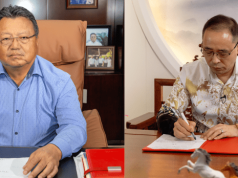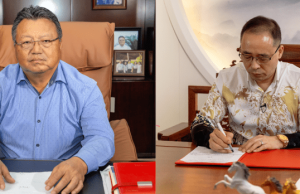
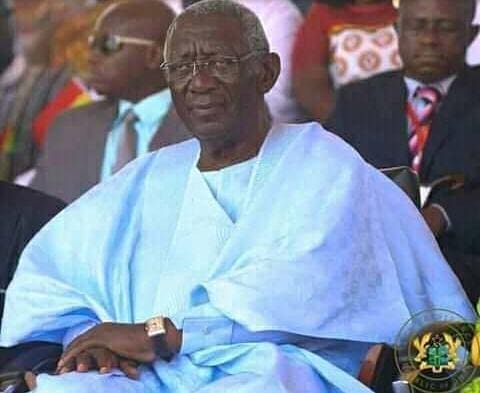

Former President John Agyekum Kufuor has raised concerns about lifestyle audit proposals, warning that such investigations could be weaponized against political opponents. The former head of state urged caution in implementing the anticorruption measure that has sparked intense debate across Ghana.
Kufuor’s statement comes as the nation grapples with calls for stronger accountability mechanisms following recent high-profile corruption allegations. The Economic and Organised Crime Office (EOCO) announced plans in October to launch nationwide lifestyle audits targeting politicians, entertainers, and social media personalities suspected of unexplained wealth. That initiative aims to examine individuals whose visible assets appear inconsistent with their declared income.
The former president emphasized that any lifestyle audit framework must distinguish between legitimate wealth accumulation and criminal activity. He stressed the importance of conducting proper investigations to establish criminality rather than using the process as a tool for political persecution. His comments reflect broader concerns that Ghana’s anticorruption efforts could become selective enforcement mechanisms rather than impartial justice initiatives.
The lifestyle audit debate intensified after Attorney General Dominic Ayine revealed multimillion dollar properties linked to the former Buffer Stock Company CEO, prompting fresh demands for transparency in public service. Parliament Speaker Alban Bagbin confirmed that lawmakers are drafting legislation to empower state institutions to investigate public officials and private individuals whose wealth cannot be justified.
Experts remain divided on whether new laws are necessary. PricewaterhouseCoopers partner George Arhin argues that specific legislation would provide guidance and punishment for those who abuse public office. However, Assistant Auditor General Samuel Frimpong Manso contends that Ghana already possesses sufficient legal instruments and should focus on enforcing existing laws rather than creating additional bureaucracy.
Former Auditor General Daniel Domelevo supports the lifestyle audit approach, noting that proving corruption beyond reasonable doubt often proves challenging. He told The Africa Report that lifestyle audits can help identify unexplained wealth and hold people accountable when traditional prosecution methods fall short.
Critics including lawyer Clara Kasser Tee warn that proposed legislation may fail to capture truly corrupt officials who exploit offshore banking havens and secrecy jurisdictions. She suggests the law would primarily affect small-scale offenders while powerful players move funds abroad through sophisticated channels.
The debate has gained urgency following joint operations between the Federal Bureau of Investigation (FBI) and Ghanaian authorities that resulted in seizures of luxury vehicles and homes in Accra. Those investigations revealed extensive illicit financial flows from romance scams and multimillion dollar fraud schemes laundered into lavish lifestyles.
Ghana’s Economic and Organised Crime Office operates under Act 804, which grants authority to search premises, seize suspicious assets, and upon conviction, confiscate proceeds believed to stem from criminal activity. The agency plans to examine not only public officials but also private individuals whose wealth sources warrant investigation, representing a broader approach than previous anticorruption measures.
As November progresses, speculation continues about which high-profile individuals might face scrutiny. Social media discussions have highlighted numerous cases where public figures display wealth that appears disproportionate to their known business ventures or employment income. The lifestyle audits represent what many observers consider a critical test for Ghana’s anticorruption framework.
Kufuor, who served as Ghana’s president from 2001 to 2009, remains an influential voice in national affairs. His cautionary stance adds a significant perspective to the ongoing debate about balancing corruption prevention with protection against politically motivated investigations. The former president’s concerns underscore the delicate balance required when implementing powerful investigative tools in a democratic society.
The lifestyle audit discussion reflects broader questions about institutional integrity and governance in Ghana. While many stakeholders agree on the need for greater accountability, disagreement persists about the best mechanisms to achieve that goal without creating opportunities for abuse or selective enforcement.