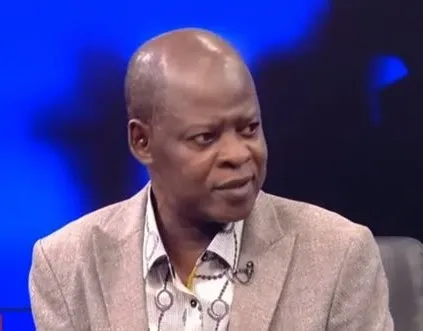

Policy analyst Dr. Steve Manteaw has raised concerns about the Economic and Organised Crime Office’s (EOCO) apparent silence regarding investigations into National Democratic Congress (NDC) executives Joseph Yamin and Yakubu Abanga, warning that delayed action undermines Ghana’s anti-galamsey campaign effectiveness.
The civil society leader questioned the status of investigations ordered by Attorney-General Dr. Dominic Akuritinga Ayine in July, suggesting that lack of transparency surrounding the probe could compromise broader efforts to tackle illegal mining activities across the country.
In a social media statement, Manteaw expressed frustration with what he described as sudden quietness in galamsey enforcement efforts, arguing that sustainable progress requires addressing politically connected individuals allegedly financing illegal mining operations.
Attorney-General Ayine directed EOCO on July 15, 2025, to investigate allegations against NDC National Organiser Joseph Yamin and Third Vice Chairman Yakubu Abanga following what he described as “growing public concern, corroborated by media reports and intelligence” regarding unauthorized mining operations.
The directive specifically instructed EOCO to invite both individuals for interrogation over their suspected involvement in galamsey activities, while also requiring comprehensive investigation of all persons implicated in the Professor Kwabena Frimpong-Boateng report submitted to the previous administration.
More than two months after the formal investigation order, EOCO has not provided public updates on the probe’s progress, prompting criticism from anti-corruption advocates who argue transparency is essential for maintaining public confidence in enforcement efforts.
Manteaw emphasized that targeting galamsey financiers and politically connected enablers represents critical components of effective anti-illegal mining strategies. He warned that without addressing these networks, current efforts would mirror previous administrations’ unsuccessful attempts to eliminate the practice.
The policy analyst’s intervention reflects broader civil society concerns about political will in confronting galamsey networks that allegedly involve influential figures across Ghana’s political spectrum. Recent campaigns have focused primarily on enforcement against small-scale operators while avoiding systematic investigation of suspected high-level facilitators.
Professor Frimpong-Boateng’s controversial report implicated numerous political figures in galamsey activities during his tenure as Environment Minister and Chairman of the Inter-Ministerial Committee on Illegal Mining (IMCIM). The 36-page document detailed alleged connections between politicians and illegal mining operations nationwide.
Previous attempts to act on the Frimpong-Boateng report stalled under the former administration, with then-Attorney-General declaring in 2023 that allegations lacked sufficient evidence for prosecution. The current administration’s directive to EOCO represented renewed commitment to investigating the report’s findings.
EOCO’s mandate under Act 804 of 2010 includes investigating economic crimes and organized criminal activities, making the office responsible for pursuing complex cases involving alleged political connections to illegal mining networks.
Civil society organizations have consistently argued that successful galamsey elimination requires addressing upstream financing and political protection rather than focusing exclusively on mining site enforcement. This approach demands investigating suspected political enablers regardless of party affiliation.
Manteaw’s criticism comes amid intensified national debate about emergency measures to combat galamsey, with various stakeholders proposing different approaches ranging from military deployment to constitutional emergency declarations.
The analyst’s call for investigation transparency aligns with governance principles emphasizing accountability in anti-corruption efforts. Without regular updates on high-profile cases, public confidence in enforcement institutions can deteriorate.
EOCO has historically maintained discretion regarding ongoing investigations, citing operational security and evidence protection concerns. However, public interest cases involving political figures often require balancing investigative integrity with transparency expectations.
The Yamin-Abanga investigation represents a test case for the current administration’s commitment to pursuing galamsey allegations across party lines. Success or failure could influence public perception of political will in addressing illegal mining comprehensively.
Whether EOCO will provide public updates on investigation progress remains uncertain, though mounting civil society pressure may compel greater transparency. The office’s response could set precedents for handling politically sensitive corruption cases.
Manteaw’s intervention highlights ongoing tensions between demands for immediate action against galamsey and institutional processes requiring thorough evidence gathering. Balancing these priorities will likely determine anti-illegal mining campaign credibility moving forward.