

By Dr. Emmanuel Acquah-Sam (An Economist)
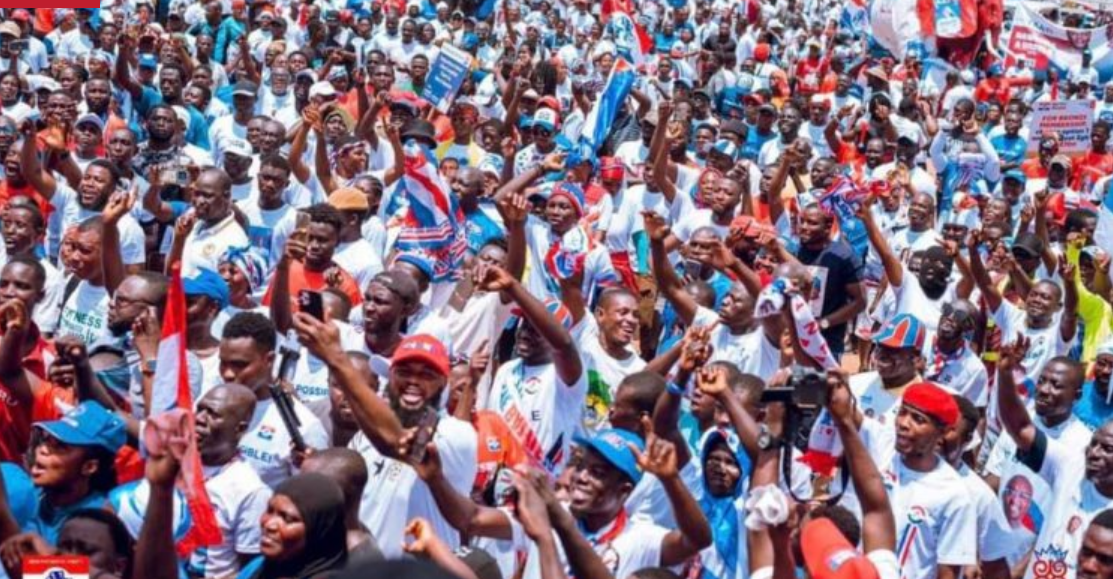
As the New Patriotic Party (NPP) and Ghana approach critical internal party contests, particularly on 31st January 2026, the increasing trend of public insults, character assassination, and the airing of internal grievances on media platforms is deeply worrying.
Political competition is healthy, but political self-destruction is always bad. When party members and aspirants begin to empty their dirty wardrobes in public, they do not weaken their internal opponents alone, but also strengthen the opposition, damage party and national cohesion, and erode democratic credibility.
This piece is meant to cool political tempers, restore discipline, and protect Ghana’s democracy. It speaked to all political parties to mind their utterances before, during, and after elections.
The Consequences:
Every insult, allegation, and public taunt becomes ready ammunition for political opponents the trigger defeat. The broader effect eill be felt during and after the 2028 general elections.
Reconciliation after primaries may become nearly impossible. Words spoken in anger leave deeper scars than cutlass wounds.
History shows that parties that enter elections bruised rarely win power. Ensuring unity after bitter internal warfare is difficult.
The chosen leader will lose credibility for the 2028 general elections.
A flagbearer must appear as a unifier, statesman, and credible alternative, especially when competing against a government that can point to visible performance and macroecononic stability.
Those who insult, malign, and undermine their own party leaders today should remember that tomorrow’s government positions are not awarded to yesterday’s saboteurs. Political memory is said to be long.
Additionally, the party will lose international confidence and development support when in power.
International partners value stability, discipline, and political maturity.
Chronic internal chaos sends negative signals to outsiders, discouraging investment, cooperation, and the inflow of development assistance.
Internal political toxicity further pushes young Ghanaians from democratic participation, weakening the future of the country and and its democratic values.
What political aspirants and leaders normalise today becomes the culture tomorrow. If insults replace ideas, Ghana risks sliding from competitive democracy into destructive populism.
We humbly call for wisdom, restraint, and national interest from all and sundry to ensure peace in parties and Ghana.
Leadership is not proven by the loudness of insults but by the depth of ideas, discipline of speech, and capacity for restraint and good quality national governance.
Global lessons abound for political and economic sanity in Ghana. The political and economic turmoil experienced in Venezuela, and the persistent institutional tensions in Nigeria, and swiftness with which they have been tackled under the President Trump’s era, must remind us that reckless politics eventually punishes everyone.
Conclusion
Politics should be a contest of ideas and not insults. Power sought without discipline becomes a burden. It is our responsibility to speak with wisdom, contest with dignity, and build our economy with peace for long-term economic growth and development.
As Adam Smith postulated in the 18th century, human action is driven less by benevolence and more by self-interest. Citizens must therefore understand that much of the hostility and reckless speeches in the quest for power reflects personal political interests, not necessarily the pursuit of national priorities. This awareness should guide the public to demand restraint, civility, and issue-based discourse, knowing that peaceful elections depend as much on an the alertness of all.
Post Views: 10
Discover more from The Business & Financial Times
Subscribe to get the latest posts sent to your email.