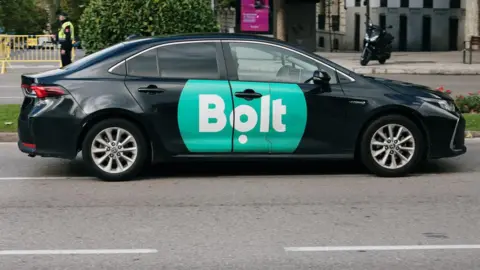

A corruption scandal has erupted within Bolt’s Azerbaijan operations — and it is not a minor compliance breach.
The controversy has exposed alleged systemic bribery, selective onboarding, manipulation of bonuses, and the deliberate blocking of drivers’ accounts until payments were made through intermediaries.
Even more troubling, reports indicate that elements within the local transport regulatory ecosystem were entangled in the controversy.
Following complaints from drivers and fleet owners, Bolt’s headquarters in Estonia conducted an internal audit that reportedly led to the dismissal of the country office head and other staff.
In responding, the platform effectively acknowledged governance gaps that may have enabled extortion by local management. While reiterating its zero-tolerance policy, Bolt’s intervention came only after sustained pressure.
For Ghana, the issue is not whether an identical scandal is unfolding. There is no public evidence of that. The deeper concern is structural vulnerability: could it happen here?
Ride-hailing platforms operate within asymmetric power systems. Drivers depend entirely on algorithms they cannot interrogate, enforcement mechanisms they do not design, and local management structures that hold enormous discretionary power.
When an account is suspended, income stops instantly. If local officials were to exploit that leverage — through selective deactivation, preferential onboarding, or opaque bonus allocation — how would drivers contest it?
The Azerbaijan case raises uncomfortable parallels. Allegations included restricted access to lucrative ride categories and arbitrary enforcement. In Ghana, are airport pickups, premium tiers and fleet onboarding governed strictly by transparent, auditable criteria? Or could informal influence shape outcomes behind the scenes?
The regulatory dimension deepens the concern. What oversight mechanisms exist between ride-hailing platforms and Ghana’s transport authorities? If elements of a local transport ecosystem were compromised — as suggested in Azerbaijan — would Ghana’s institutional framework detect and deter it early?
Bolt’s headquarters ultimately intervened in Azerbaijan. But escalation to Europe is not a practical remedy for the average Ghanaian driver navigating daily earnings volatility. Would whistleblowers feel protected? Is there an independent dispute resolution mechanism beyond digital ticketing systems? Are internal audits triggered proactively, or only after scandal erupts?
The rapid expansion of ride-hailing in Accra, Kumasi and Takoradi has delivered economic opportunity. Yet platform growth without transparent governance invites systemic risk. Corporate controls are only as strong as local enforcement integrity. When gaps appear at the market level, drivers bear the cost first.
The Azerbaijan scandal should not trigger alarmism in Ghana. It should trigger due diligence. If Bolt has acknowledged governance weaknesses abroad, it must demonstrate robust preventative safeguards locally. The burden of proof now rests on transparency.
Digital mobility thrives on trust. If drivers begin to suspect that account security, onboarding access or earnings are vulnerable to discretionary manipulation, confidence in the entire system erodes. Ghana’s ride-hailing sector cannot afford to wait for a domestic scandal before tightening oversight.
The hard questions are no longer hypothetical — they are preventive.
Post Views: 2
Discover more from The Business & Financial Times
Subscribe to get the latest posts sent to your email.