
By Ernest Bako WUBONTO
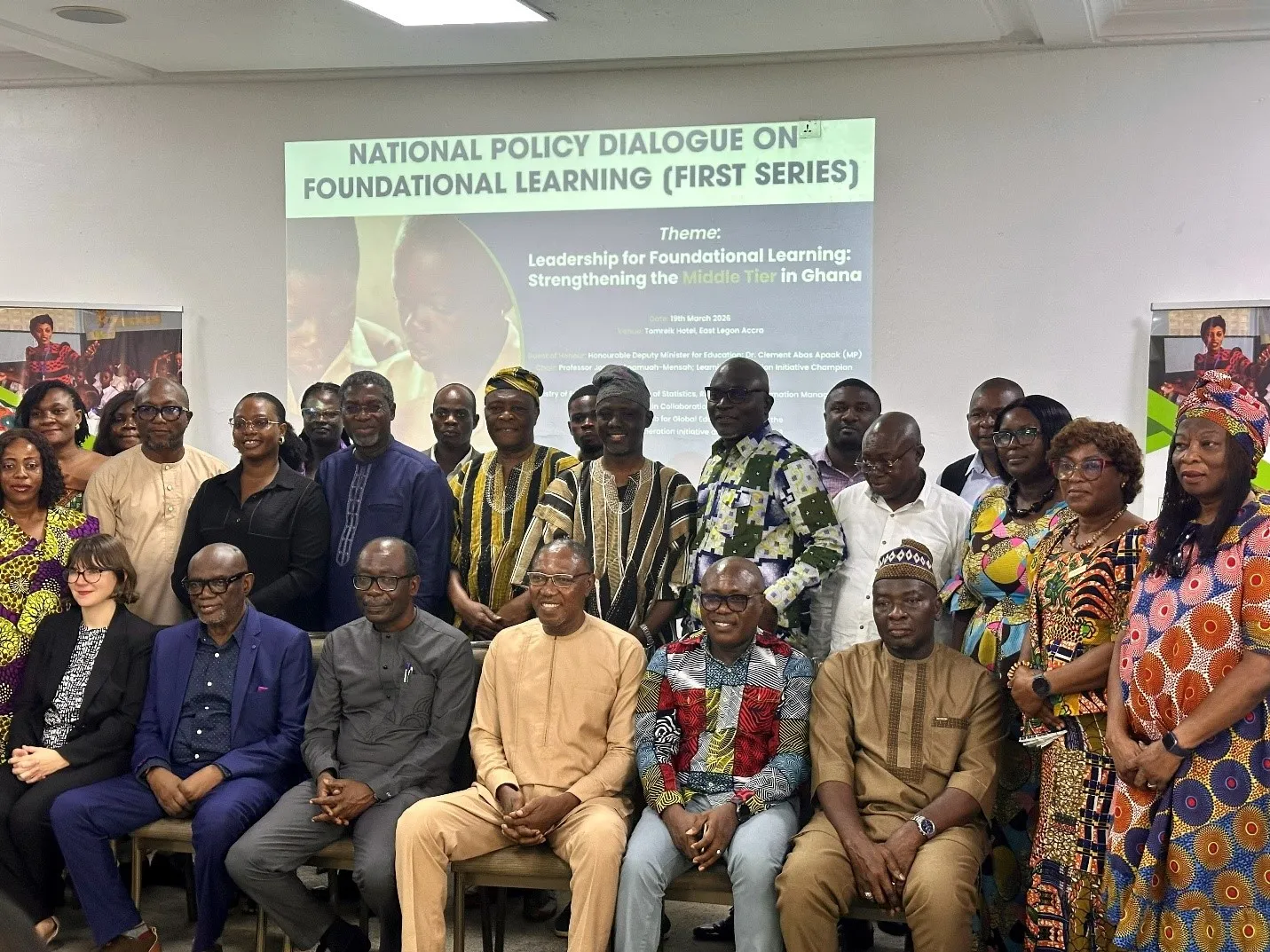
The Ministry of Education (MoE), in collaboration with the Ghana Education Service (GES) and the Learning Generation Initiative (LGI), has held the inaugural National Policy Dialogue (NPD) on foundational learning, aimed at reshaping the country’s education landscape.
The first session of the NPD, held in Accra under the theme “Leadership for foundational learning: Strengthening the middle tier in Ghana,” brought together policymakers, educators and international partners to address the critical need for strong early-grade literacy and numeracy as the bedrock of national development.
Key stakeholders highlighted the need for intentional, research-driven investment in early childhood education, as well as greater attention to the often-overlooked administrative levels that serve as the link between schools and central government.
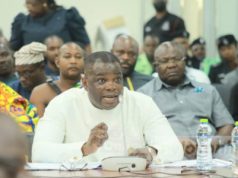
Delivering the keynote address, Deputy Minister of Education, Dr. Clement Apaak, stated unequivocally that no education system can succeed if children cannot read, write and count.
He acknowledged that progress in learning outcomes remains uneven between rural and urban areas, as well as between well-endowed and less-endowed schools, underscoring the need for a systemic reset.
This disparity, he noted, is why foundational learning has been prioritised as a core pillar of the education reform agenda, with science, mathematics, reading and cultural literacy identified as key focus areas.
Dr. Apaak emphasised that strengthening the education system must be anchored in reinforcing the ‘middle tier’, explaining that without a robust middle layer, inputs from the national level will not yield optimal outcomes. He further stressed the importance of ensuring that resources are not only allocated, but also effectively utilised.
Education expert and chairman of the occasion, Prof. Anamuah-Mensah, asserted that foundational learning must remain central to the country’s education strategy.
He emphasised that every child deserves to acquire core literacy and numeracy skills at the earliest stages, noting that the highest economic returns for any nation stem from early investment in its youth.
Prof. Anamuah-Mensah warned that weak foundational learning leads to widening inequality and rising poverty, urging stakeholders to move beyond diagnosis to actionable solutions that can accelerate progress.
“The future of Ghana rests on the foundation we give our children today; if we give them a strong foundation, we will not be disappointed,” he said.
Director-General of the Ghana Education Service, Prof. Ernest Davis, reinforced the urgency of the agenda, noting that education can only serve as an effective tool for national development if it equips students with the necessary 21st-century skills, attitudes and values.
He added that early learning provides the essential base for all subsequent education, and affirmed GES’s commitment to implementing sustained, systemic reforms rather than isolated interventions.
LGI unveils new framework
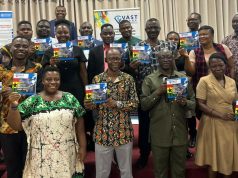
The Learning Generation Initiative (LGI), which works with governments to strengthen the education workforce by enhancing leadership at all levels, presented a new publication titled Strengthening the Middle Tier, developed in collaboration with UNESCO’s International Institute for Educational Planning (IIEP).
The publication introduces a comprehensive framework designed to assess and strengthen the capacity of district and regional education offices to better support teachers, utilise data and foster collaboration.
It outlines seven core functions of effective middle-tier leadership and identifies nine key levers for improvement, including clear roles and responsibilities, competent and motivated personnel, effective public financing, a strong learning culture, and the strategic use of data and research.
By mapping these functions and assessing institutional capacity, the framework provides government with a structured approach to identifying constraints and unlocking the full potential of the middle tier to improve learning outcomes for all children.
The dialogue on foundational learning seeks to sustain focus on the building blocks of educational quality and drive long-term improvements across the sector.
Post Views: 10
Discover more from The Business & Financial Times
Subscribe to get the latest posts sent to your email.