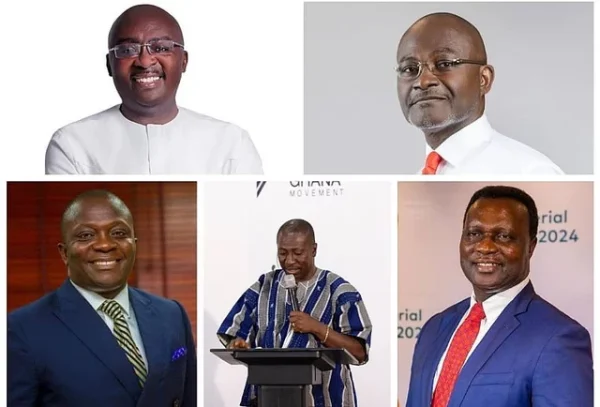


New Patriotic Party leaders are intensifying calls for internal reconciliation as the party prepares for its crucial 2026 flagbearer contest, with 2024 parliamentary candidate for Wenchi Kojo Frempong urging aspirants to prioritize collective party interests above individual political aspirations.
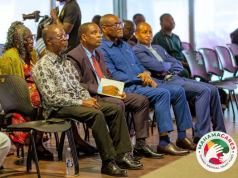
Speaking during Kennedy Agyapong’s ongoing nationwide Unity Tour at the Wenchi Methodist Cathedral, Frempong emphasized that the party’s survival depends on its ability to heal internal divisions ahead of the scheduled January 31, 2026 primaries. His appeal comes as the opposition party seeks to regain power in the 2028 general elections following its recent electoral setback.
The former television presenter and current Director of Corporate Strategy and External Relations at Minerals Income Investment Fund warned that without genuine reconciliation, the party risks undermining its chances of electoral success. He specifically called on delegates and party faithful to unite behind whichever candidate emerges victorious from the flagbearer contest.
Kennedy Agyapong, who launched his Unity Tour on September 5 covering all 276 constituencies nationwide, used the Wenchi platform to address concerns about grassroots welfare within the party. The former Assin Central Member of Parliament expressed dissatisfaction with how party supporters were treated during the NPP’s recent eight-year tenure in government, particularly regarding employment opportunities.
The businessman-turned-politician pledged that under his potential leadership, party members who sacrifice for the organization would receive tangible benefits. He specifically targeted regional employment practices, warning that future appointments to key positions like the Bui Power Authority would prioritize local representation, particularly for indigenes from the Bono Region.
Agyapong’s unity initiative represents a strategic response to lingering tensions from previous internal contests that have historically weakened the party’s cohesion. Recent polling suggests Agyapong leads the flagbearer race with 50% support compared to 25% for other prominent contenders, though such early indicators remain fluid as the campaign season develops.
The Wenchi gathering highlighted broader challenges facing the NPP as it attempts to rebuild its organizational strength following electoral disappointment. Party leaders recognize that internal divisions could prove more damaging than external political competition, particularly as the party seeks to present a unified front against the governing National Democratic Congress.
Frempong’s intervention carries additional weight given his recent rise within party ranks. Having secured the Wenchi parliamentary nomination after years of political preparation, he represents a new generation of NPP leaders advocating for pragmatic unity over factional loyalty.
The unity tour concept reflects broader recognition within the NPP that grassroots engagement remains crucial for electoral success. By visiting constituencies across Ghana, Agyapong aims to address local concerns while building support networks that transcend traditional regional and factional boundaries.
Party strategists view the reconciliation effort as essential preparation for what promises to be a competitive 2028 electoral cycle. With multiple prominent figures expected to contest the flagbearer position, maintaining organizational cohesion while allowing democratic competition presents a delicate balancing act.
The Wenchi event concluded with commitments from local party leaders to support whatever candidate emerges from the primaries, suggesting that unity messaging is resonating at constituency level. However, the true test of these pledges will come as campaign activities intensify and political rivalries inevitably sharpen.
For the NPP, successfully managing internal democracy while preserving party unity represents a critical challenge that could determine its prospects for returning to government in 2028.