
The Pan African Lawyers Union (PALU) has declared its support for Ghana’s proposed resolution at the United Nations seeking to recognise the trafficking and racialised chattel enslavement of Africans as the gravest crime against humanity.
PALU is urging African states and the global community to rally behind the initiative.
The continental legal body described the move as a historic opportunity to advance truth, justice, and reparatory dialogue for Africans and people of African descent across the world.
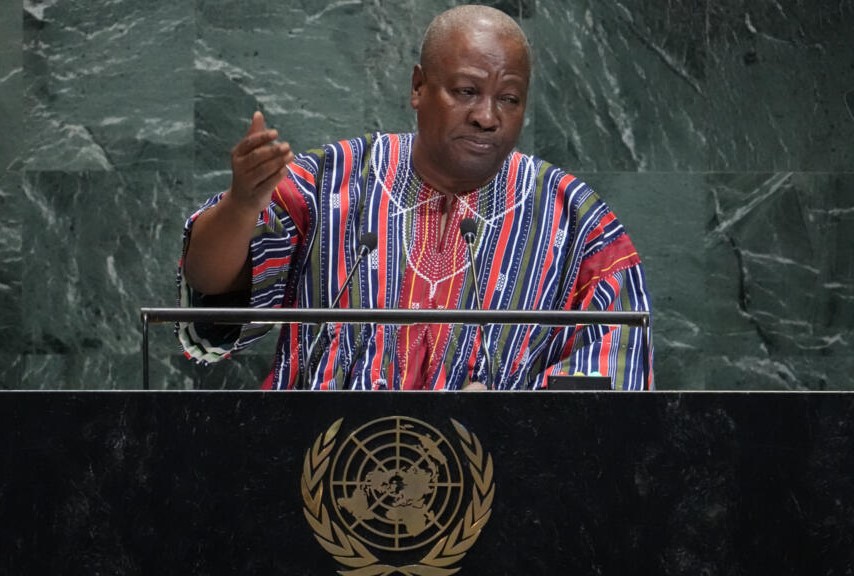
The proposed resolution, announced by President John Dramani Mahama during the General Debate of the United Nations General Assembly (UNGA) in September 2025, will be debated on March 25, 2026.
It marks the International Day of Remembrance for the Victims of the Transatlantic Trafficking of Africans.
The debate on Ghana’s proposed resolution at the UNGA is expected to attract global attention, particularly from countries historically linked to the transatlantic slave trade and those with large populations of African descent seeking acknowledgement and justice.
The Pan African Lawyers Union (PALU), in a solidarity statement issued from Arusha, Tanzania, said the resolution represented a defining moment for Africa and its diaspora to reposition the global conversation around historical truth and reparatory justice.
The Union emphasised that the trafficking and racialised chattel enslavement of Africans was not simply a historical episode but a system that fundamentally reshaped the political, economic and legal foundations of the modern world.
“The trafficking and racialised chattel enslavement of Africans was not merely an isolated crime, but a foundational rupture that reshaped the world for all peoples and constituted a definitive break in world history,” the statement said.
According to PALU, the transatlantic slave trade functioned as the world’s first global industrial enterprise, generating wealth that fuelled the rise of modern global infrastructure and economic systems across continents.
The organisation noted that the consequences of those historical injustices continued to shape the social, economic and environmental realities of African peoples and their descendants across the globe.
It stressed that acknowledging the atrocity as the gravest crime against humanity was not intended to rank historical tragedies but rather to recognise the unique scale, duration and systemic impact of the crime.
PALU said the recognition should be viewed as an articulation of historical truth and an essential step towards healing, reconciliation and sustainable development for affected communities.
“Justice and accountability are essential for restoring dignity, fostering reconciliation, and creating conditions for genuine development across Africa and the African diaspora,” the statement added.
It indicated that Ghana’s initiative was being advanced on behalf of the African Union, reinforcing the continent’s growing resolve to pursue historical acknowledgement and reparatory justice for crimes committed during centuries of slavery.
PALU further highlighted increasing cooperation between Africa and the Caribbean in advancing the global reparations agenda.
It cited the strengthening of partnership between the African Union and the Caribbean Community (CARICOM), including the Transcontinental Partnership in Pursuit of Reparatory Justice for Africans and People of African Descent.
Such collaboration reflected the shared historical interests of nations and communities whose societies were shaped by the transatlantic trafficking and enslavement of Africans, the statement said.
It, therefore, called on African states, members of the diaspora, and allies across the global community to support the resolution when it is presented before the United Nations General Assembly later this month.
It noted that a unified vote in favour of the resolution would signal collective determination to confront historical injustices and advance the cause of reparatory justice.
“A unified vote in support of this resolution would signal collective strength and a shared determination to see the pursuit of reparations for Africans and people of African descent through to its conclusion,” the statement added.
It warned that abstention or opposition to the resolution would risk placing countries on the wrong side of history and perpetuate distortions surrounding the historical record of slavery.
Recognition of the crime was a moral and historical imperative that would help restore public trust, foster reconciliation and strengthen global solidarity with communities still affected by the legacy of enslavement.
The statement underscored the importance of truth-telling in confronting the erasure of African histories during and after the era of chattel enslavement.
Such historical erasure had contributed to lasting harm across multiple spheres, including legal theory, cultural heritage, identity and economic development, it noted.
The Union, therefore, urged citizens, institutions and civil society groups around the world to amplify the voices of African peoples and their descendants who had long called for justice and recognition.
“The moment presents a rare opportunity for the international community to demonstrate moral courage in addressing one of the most consequential crimes in human history,” it said.
“We urge every nation and leader to stand on the side of justice and truth.”
The declaration would help forge a future grounded in dignity, equity and shared humanity, the statement added.
Source: GNA