

By Fiifi NETTEY
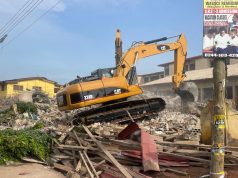
Walking through the streets of Accra, one cannot help but notice the numerous structures crying out for repairs any of these once-beautiful structures now stand neglected—some due to legal disputes, others simply because the occupants see no need to maintain, so it has moved beyond maintenance and now needs repairs. It is heartbreaking to witness such decay, especially knowing that these buildings were erected by some prominent individuals or great-grandparents or parents who sacrificed so much to provide shelter and legacy for future generations. Sadly, that legacy is being left to crumble and deteriorate.
I often wonder how we reached this point—where public structures and buildings are left on attended at the mercy of the weather, allowed to deteriorate with cracked walls and poorly maintained surroundings.
Sometimes, as you drive through town, you see some streetlights that do not function properly, some even knocked down by vehicles and abandoned by the roadside. Roads are riddled with potholes that make driving uncomfortable, and traffic lights remain out of service, creating unnecessary congestion and disorder.
Perhaps many of us don’t understand the value of maintenance on how to preserve, repair, and care for whatever you inherit. This indifference has seeped deep into our national character, affecting not only private structures but our public assets as well. When we neglect what belongs to us individually, that same attitude inevitably spills over into the public sector.
Poor maintenance culture has become one of the major social and economic cankers eating away at our nation. There are countless new buildings that have begun to deteriorate within just a few years of completion. While it’s easy to blame contractors for shoddy work—and, in some cases, they deserve part of the blame—the bigger issue lies in our attitude. We simply do not maintain anything. What we do best is wait for it to deteriorate further for us to repair.
Across the country, public infrastructure—roads, streetlights, hospitals, schools, stadiums, and other facilities—continue to deteriorate soon after they are completed and handed over for use. As a people, we have struggled to adopt a proper maintenance culture that preserves what we already have before it falls into disrepair. Instead of prioritizing the upkeep of existing structures, we often look forward to acquiring something new. It sometimes appears as though we do not care about what we have, whether this stems from our upbringing or a wider cultural attitude. The consequences are visible everywhere—and they are deeply troubling.
Some argue that our infrastructure deteriorates quickly because contractors use inferior materials or deliver substandard work. I respectfully disagree. Every project has a supervisory team responsible for inspecting materials and ensuring quality. So, if they fail to do proper supervisory work or allow substandard materials to be used, who is to be blamed. When substandard work occurs, there are systems in place to raise queries and hold contractors accountable
The real problem lies with us—the users and custodians of these facilities. Our disregard for maintenance is alarming. If the state were to take this issue more seriously and enforce routine maintenance schedules, Ghana could save billions of cedis.
In a conversation with Yaa, a student pointed out that maintenance is a major problem in our society. According to her, people often ignore its importance and focus only on acquiring new things. She believes there is a need to educate the public on how to properly maintain and preserve what they already have. This will save the nation from billions of cedis during repairs.
Alhassan explained that the problem starts with shoddy work, especially when it comes to the finishing touches of the structures it is bad. As if the contractors are in a hurry for another contract. According to him, there is often no budget allocated for maintenance. He added that while the human body can repair itself, a building or road is not a biological entity—it cannot fix itself. Proper repairs require both money and labour. A provision that must be made and ensured it is done.
Dr. David Akwesi Agyeman, editor at Adom FM, believes Ghana’s maintenance culture is in serious decline. Many people wait until their homes, roads, and buildings are on the verge of collapse before taking action—often because no provision was made for repairs from the start. We ignore the lifespan of our structures, assuming concrete will last forever, and this attitude extends to our public facilities as well: some government bungalows deteriorating, some hospital buildings slowly falling apart.
He stresses that Ghana needs a complete mindset shift—a national wake-up call. We must take deliberate responsibility for maintaining what we own and safeguard the infrastructure entrusted to us. Our future depends on the choices we make today.
Prosper was deeply frustrated about Ghana’s poor maintenance culture. He argued that many public facilities — including stadiums and the National Theatre — charge entry fees, yet little of that revenue is set aside for their upkeep. Instead, we allow these structures to deteriorate, shut them down when they become unusable, and only then start thinking about repairs. He stressed that this is an issue we must take very seriously, calling for either a dedicated law or even a ministry focused solely on maintenance.
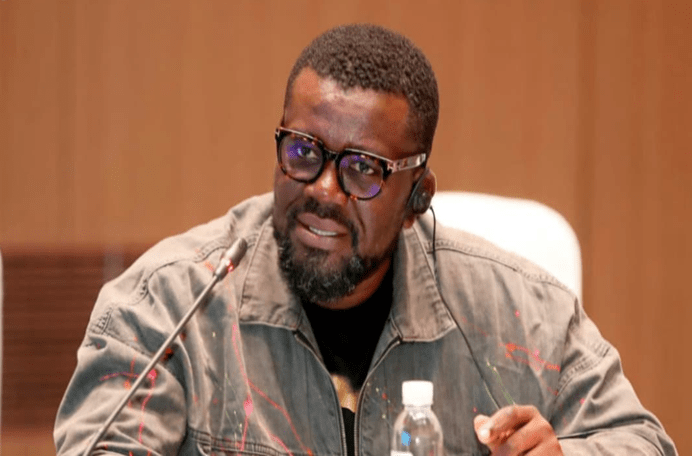
Col. (Rtd.) Samuel Akai Nettey, a civil engineer, explained that Ghana has a repair culture, not a maintenance culture. He noted that maintenance means taking care of something before it gets spoiled, while repairs are what we do only after things have broken down. He gave a simple example that painting your house every two years is maintenance. Changing electrical wiring every 25 years is also maintenance — asked, how many households in Ghana actually do this? Instead, most people wait until there is an electrical fault and then rush to repair it.
According to him, only a few Ghanaians practice true maintenance culture; the majority simply wait for things to breakdown and then fix them by repairing. He highlighted that he services his car after every 5,000 kilometers, but many drivers wait until the car develops a fault before visiting a mechanic. Proper maintenance involves changing parts that are not yet damaged, because failing to do so can lead to bigger problems that may eventually break down the infrastructure.
Col. Nettey stressed that the main reason many people avoid maintenance is because it is costly, and most households and institutions do not budget for it. Instead, they prefer to wait for faults and then pay for repairs.
He concluded that routine maintenance extends the life of every structure and urged Ghanaians to cultivate a maintenance culture rather than rely on repairs after damage has already occurred.
A civil engineer who preferred to remain anonymous observed that Ghana’s maintenance culture has long been poor. In the past, he noted that maintenance levels were as low as 20 percent because many developers focused mainly on profit rather than establishing proper systems to preserve their properties. Although this has improved to about 35 percent in recent times, the core problem remains the same: we wait for things to deteriorate before calling in experts to repair them.
He explained that between 2015 and 2018—when the real estate sector began to boom—developers gradually started incorporating maintenance provisions into their contracts. Today, most real estate agencies include maintenance clauses, but he believes this should have been standard from the very beginning. “If these mechanisms were put in place from day one,” he said, “we wouldn’t be in this situation.”
It is time for us to change our mindset. Maintenance is not a luxury—it is a responsibility. The sustainability of our homes, infrastructure, and national resources depends on it.
Post Views: 2
Discover more from The Business & Financial Times
Subscribe to get the latest posts sent to your email.