
By Juliet Aguiar DUGBARTEY, Tarkwa
Reading Ghana, Western Region in partnership with Goldfields Ghana Foundation, CODE Canada, Olinga Foundation for Human Development as well as the Ghana Education Service, has climaxed a three-year reading project with a quiz competition for basic schools in Tarkwa-Nsuaem and Prestea Huni-Vally Municipalities in the Western Region.

The reading festival formed part of efforts to address declining literacy levels among basic school pupils, while encouraging a culture of reading and improving fluency and comprehension through access to engaging and diverse learning materials.
The intervention comes at a time when concerns over poor literacy outcomes in Ghana’s basic schools remain high.

Data from the GES indicates that between 54.5 per cent and 92.5 per cent of pupils score zero in oral reading assessments, while nearly 80 per cent fail to acquire basic literacy and numeracy skills by the end of primary school.
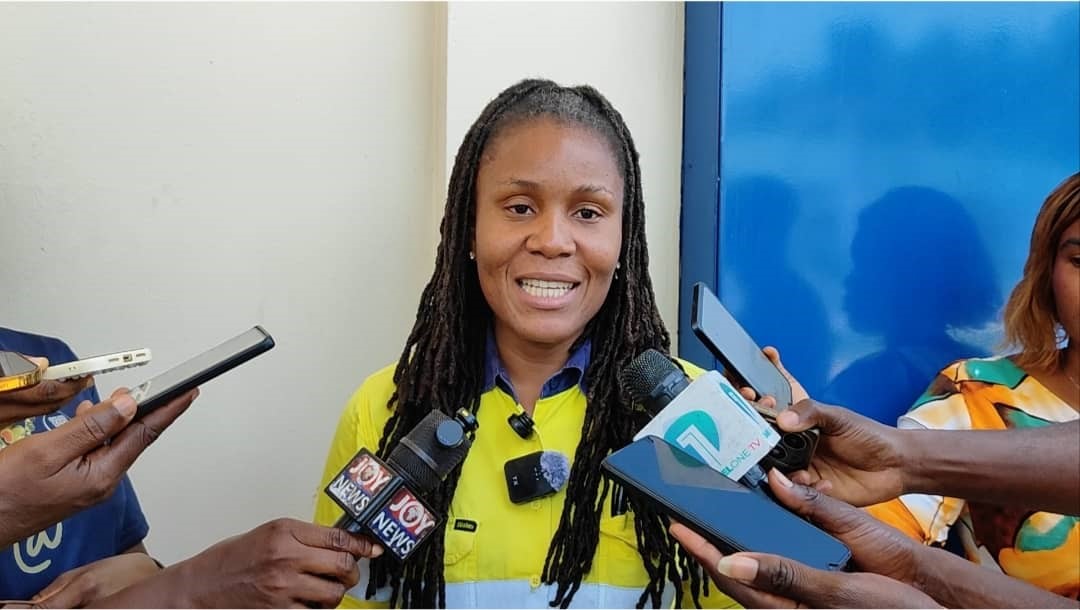
Projects Manager at Gold Fields Ghana Foundation, Mrs. Sandra Deladem Woanyah, said the Reading Ghana Project is making significant strides in tackling early grade literacy challenges in the Western Region, with over 13,000 learners benefiting from improved reading skills and enhanced classroom instruction.
According to her, the initiative was designed to address persistent gaps in foundational literacy among lower and upper primary pupils by strengthening teaching methods and promoting a sustained culture of reading in schools and communities.
She noted that the intervention goes beyond the provision of books, placing strong emphasis on equipping teachers with practical, learner-centred instructional strategies.

Through structured training, continuous coaching and classroom-based mentoring, she explained, teachers are better positioned to deliver effective reading lessons that improve comprehension and boost learner confidence.
Mrs. Woanyah disclosed that the project has provided more than 40,000 supplementary readers to 37 beneficiary schools, exposing pupils to diverse and engaging texts that promote fluency and meaningful reading.
She added that over 74 reading clubs have been established across participating schools, creating safe and interactive spaces for pupils to practice reading, build confidence and develop a lasting interest in books through storytelling and peer learning.
Mrs. Woanyah further revealed that the Gold Fields Ghana Foundation has invested approximately $10.8 million in education initiatives, excluding infrastructure, underscoring its commitment to improving learning outcomes in its host communities.
Madam Catherine Biney, the Municipal Director of Education for Tarkwa-Nsuaem, emphasized that reading must go beyond the ability to decode words to include comprehension.
“Reading is a skill, and when you read, you should understand,” she said, referencing findings from a recent GES assessment supported by the World Bank, which highlighted gaps in foundational literacy.
“This intervention is very critical. It complements what we are doing to ensure that every child acquires the basic reading skills needed to progress academically,” she added.
Programme Manager for Reading Ghana in the Western Region, Mr. Philip Blebo observed that pupils involved in the programme have demonstrated remarkable enthusiasm, embracing reading as a tool for discovery, confidence-building and self-expression rather than merely an academic task.
He added that each finalist represents many other learners who have benefitted from the initiative, with support from teachers, families and their communities.
He stressed that reading remains fundamental to both academic success and lifelong learning, noting that children who read well are better equipped to access knowledge, expand their imagination and shape their futures.
Headteacher of Abosso Methodist Basic School, Mr. Simon Jude, lauded the initiative for significantly improving pupils’ confidence and enhancing teaching quality across beneficiary schools.
Participating Schools for the quiz competition at the Lower Primary were; Nana Amoakwa Model School (NAMS)
Bompieso M/A Basic, Abosso R/C and New Atuabo Community Basic.
Also, schools that participated in the Upper Primary were
Goldfields Basic School, Richard Graeme Basic, Aboso Methodist Primary, Amoanda M/A Basic School as well as Nana Amoakwa Model School (NAMS).
Nana Amoakwa Model School (NAMS)emerged as winner at the Lower Primary and Goldfields Basic School also won at the Upper Primary level.
Post Views: 51
Discover more from The Business & Financial Times
Subscribe to get the latest posts sent to your email.