
You may have heard of the term green washing, which basically is deceptive publicity by an organization with the aim of presenting an environmentally responsible public image rather than pursuing genuine carbon footprint reduction. It is no surprise that spread across boardrooms of developer companies “green building” has become one of the most talked-about, yet misunderstood concepts in real estate today. For some developers, it is still seen as a luxury add-on, a branding exercise for high-end projects. For others, it is dismissed outright as too expensive for African markets where affordability is already stretched.
But beneath the hype lies a more important question: do green buildings actually make financial sense in Ghana and across Africa? The answer, increasingly, is yes, but not in the way many expect. Come along and let’s break this down.
THE COST MYTH
The most common argument against green buildings is cost. Developers often claim that “going green” adds 15–30% to construction costs. In reality, data from projects across Africa suggests a very different story. When sustainability is integrated from the design stage rather than added as an afterthought, the cost premium can be as low as 3–8%. In some cases, there is no premium at all. In Ghana, where construction inefficiencies, material waste, and poor energy design already inflate costs, green building principles often reduce long-term expenditure rather than increase it.
THE REAL ROI
The financial case or return on investment (ROI) for green buildings is not just about construction cost , it is about lifecycle value and the benefits are clear:
Lower Energy Bills
Energy remains one of the highest operational costs in African real estate. A well-designed green office building in Accra can reduce energy consumption by 20–40% through passive cooling, orientation and efficient lighting systems and solar integration
For a commercial building that will typically spend GHS 1 million annually on electricity, that translates into savings of GHS 200,000–400,000 per year. Over a 10-year period, that alone can exceed the initial green premium.
Water Efficiency Translates into Real Savings
In cities where water supply is inconsistent, buildings rely heavily on tank storage and pumping systems. Green buildings will typically advocate and use rainwater harvesting, low-flow fixtures and recycling systems. These can reduce water consumption by 30–50%, cutting both utility bills and operational risks.
Higher Rental and Occupancy Rates
Tenants especially multinationals have developed unique and discerning taste for sustainability. Companies with ESG (Environmental, Social, Governance) commitments now actively seek sustainable buildings. In cities like Nairobi and Johannesburg, certified green buildings command 5–15% higher rents Lower vacancy rates. Accra is beginning to follow this trend, particularly in prime office spaces.
Asset Value and Future-Proofing
Buildings that ignore sustainability risk becoming obsolete faster. As regulations tighten and energy costs rise, inefficient buildings will cost more to operate Lose tenant appeal Require expensive retrofits. Green buildings, on the other hand, are future-proof assets and more resilient to regulatory, environmental and market changes.
SO, DO GREEN BUILDINGS MAKE FINANCIAL SENSE?
Now to the big question which has answers in the numbers. Here is a sector-by-sector analysis:
Residential Housing
In Ghana, where households spend heavily on electricity, water, and cooling, green homes deliver invisible but consistent savings. For a typical Middle-Income Housing in Accra, construction cost (standard 3-bedroom) is averagely GHS 900,000. With green add-ons like solar, insulation, efficient fixtures estimated at GHS 60,000 and average annual utility savings at GHS 6,000–10,000, the ROI translates into payback period: 6–8 years and a 20-year savings of GHS 120,000. Beyond these numbers there are other intangibles like better ventilation and daylight improve comfort and health as well as increased property value and rental demand. Studies show occupants in green buildings experience better comfort and productivity, and are increasingly willing to pay a premium when benefits are clear
Commercial Offices
This is where green buildings truly shine in Ghana because energy consumption is very heavy in this sector. With rising electricity tariffs and diesel generator costs, energy efficiency becomes a direct profit driver. Here is a typical case study for a grade A office building. The numbers look like this: Development cost: $20 million; Green premium: 5% ($1 million); Energy savings: 25–35% annually; Productivity gains: up to 25%; Annual savings (energy + operations): $400,000–$700,000; Payback period: 3–5 years and then the long-term ROI is realized in significantly higher asset value and rental yields
Retail Developments – A Retrofitting opportunity
Shopping malls and retail centers in Ghana face high cooling and lighting costs. Theres usually high traffic in such spaces and while tenants and investors would typically occupy already built spaces, there’s always an opportunity to retrofit that typically can look like this. Retrofit cost: $2 million; Energy savings: 30%; Annual savings: $300,000 and Payback period: 5–7 years.
In addition to the numbers improved shopper comfort translates into longer dwell time and the higher probability of higher sales. In retail, customer experience is revenue, and green design enhances both.
Industrial & Warehousing
Industrial buildings are rapidly adopting green strategies, especially logistics hubs around Tema.
There is typical case study of a warehouse that is green certified with construction cost in the range of $10 million, green premium add on around 3–5% and making energy and water savings of around 20–30%. The ROI is realized in a payback period of 4–6 years, reduced operational risk as well as facility becoming a strong appeal to global supply chains with ESG requirements. Notably, office, warehouse, and hotel sectors are expected to lead green adoption in Accra, with penetration projected above 20% of floor space by the end of this year.
One of the biggest constraints to higher adoption is the absence of strong regulatory and financial incentives. Countries that have successfully scaled green buildings often provide tax incentives, fast-track permitting, green financing mechanisms Until Ghana introduces similar frameworks, adoption will rely largely on forward-thinking developers and institutional investors.
For Ghanaian developers, investors, and policymakers, the opportunity is clear: green building is not just about sustainability, it is about profitability, competitiveness, and long-term value. The shift will not happen overnight. But those who move early will not only reduce costs they will define the future of real estate in Africa and in a market where margins are tightening and risks are rising, that may be the smartest investment decision of all.
So, again, do green buildings make financial sense, your answer is as good as my guess.
Top of Form
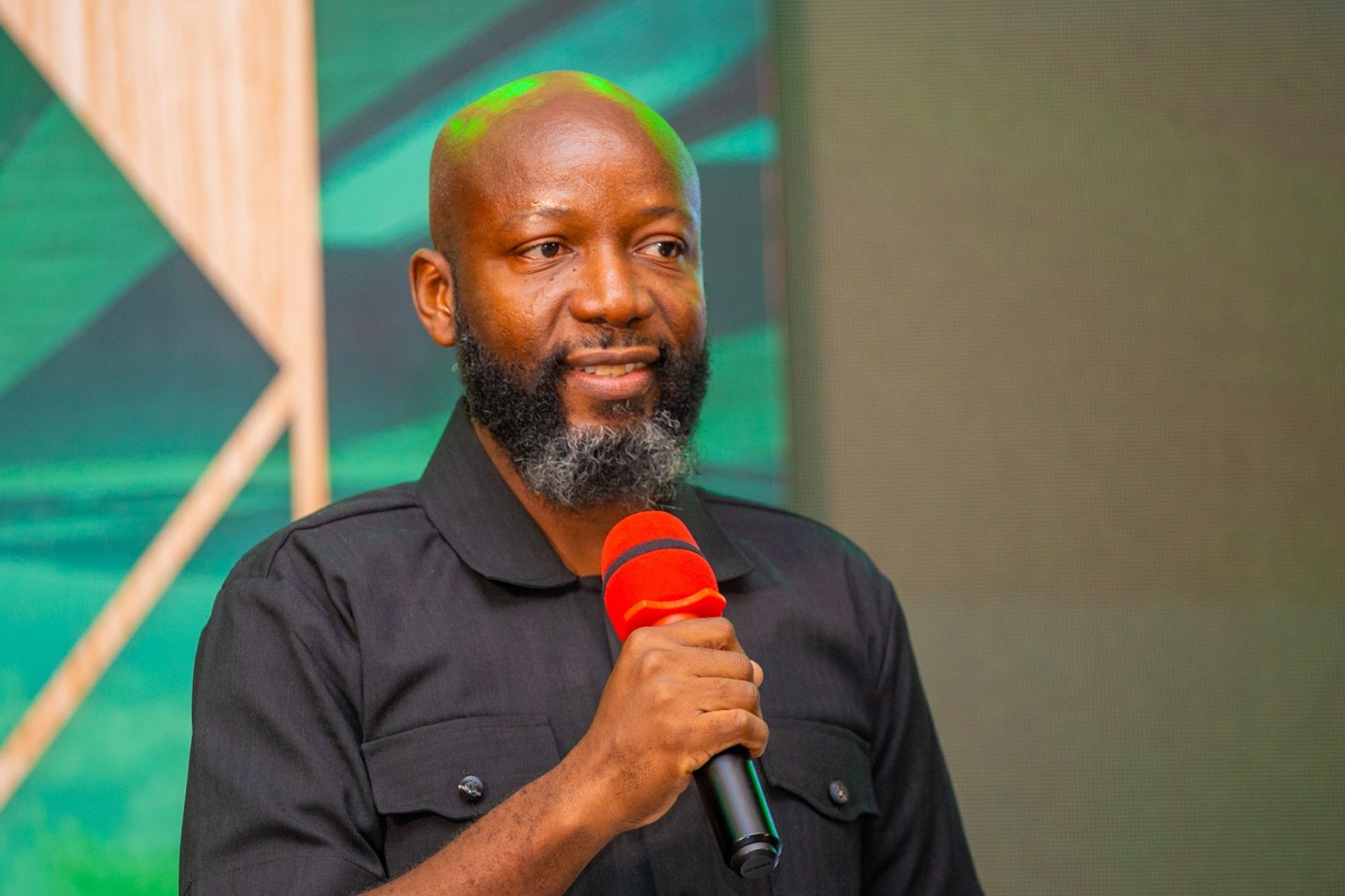
The writer is the Executive Director of Yecham Property Consult
& Founder of Green Building Alliance, Ghana, convenor of Ghana Green Building Summit
Email: [email protected]
Linkedin: Cyril Nii Ayitey Tetteh
Post Views: 46
Discover more from The Business & Financial Times
Subscribe to get the latest posts sent to your email.