
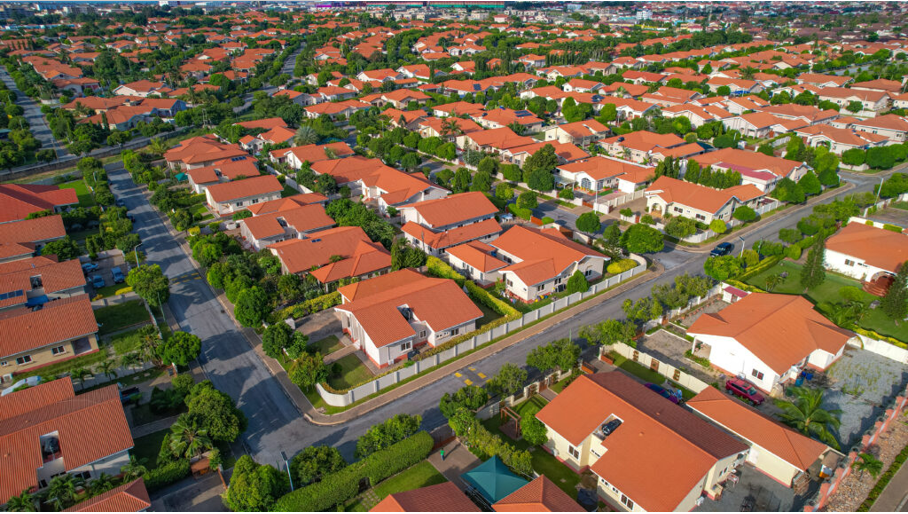
“Accra is a very expensive city to live in Nii,” This statement wasn’t made by one friend or business acquaintance, it’s becoming a running theme in some of my conversations with other colleagues across the African continent. They will point to the cost of restaurant food and some consumer supplies, even Uber or Bolt as well as hotel rates and other short-term rentals. The interesting thing is a lot of locals agree, especially when it comes to accommodation; rentals and purchases of homes and apartment properties. New data from Numbeo’s 2026 Cost of Living Index places Accra 8th out of 22 major African cities, with a cost-of-living index of 36.6, positioning it ahead of several North and East African capitals.
Over some healthy bites at lunch with one of my pals, Hannah, this issue of the cost of real estate in Ghana being more expensive compared to other African states came up, again. That sparked a healthy debate and got me digging. Here are a few notes and pointers for us all to continue chewing on. At the end of this piece, hopefully, we will all be clearer in our minds why Ghana’s real estate seems or is actually more expensive in the bigger African context. Here is a quick table, courtesy a myjoyonline, to provide a bird’s eye view and put the discussion into proper context before narrowing down on the reasons for high costs.
*The rental yield is Ghana actually ranges between 8-12%
Demand outstrips supply
One of Hannah’s key points is that demand outstrips supply hence the high price of real estate in Ghana. This is a fact as the data supports this. It is been estimated there is 1.8 – 2 million housing deficit in Ghana, with an annual production requirement between 100,000 to 200,00 units required although about only 30% of that is produced annually, the production gap looks like widening year on year especially with projections showing 60% of the population living in cities by 2030, this high demand in cities like Accra and Kumasi has influenced price hikes as demand has outpaced construction.
There is however nuance to the situation. The crisis is specifically in affordable housing. While there is an under-supply of affordable units, there is actually an oversupply of empty, luxury properties in high-end areas and with demand for low-to-mid-range housing remaining extremely high, prices are also effectively high. But this is where it gets interesting, while data is always a good pointer, it is never a replacement for eye test, the actual experience and quality of the builds and amenities on the ground.
So, while nominally the cost of real estate is higher because there is inadequate supply to meet demand, the actual overall experience and quality of occupant comfort is also in question. Residents or tenants have had to deal with tap leakages, inconsistent water supply, high electricity bills, inadequate surrounding infrastructure; no proper roads, lack of reliable water/electricity etc. Because many new builds lack reliable infrastructure, tenants or homeowners often have to spend more on private water storage (tanks), generators, and high-security services, which increases the total cost of living. There have been complaints of actual build areas being way to small and spaces not functional and well thought through and even lack of greens which also support healthier lifestyles. If all of these inconveniences are further costed it further shoots up the real pricing of Accra’s real estate.
Verdict? While high demand and under supply is a big high price variable, the actual build quality doesn’t correspond to the high prices affixed to real estate offerings in Accra due to gaps in living experience and occupant comfort.
Other Factors – I asked my friend AI, and I agreed on what he shared
High Cost of Imported Material s & Taxes
- Import Dependence:Over 90% of building materials (cement, iron rods, finishing materials) are imported, exposing the market to foreign exchange volatility.
- Taxes and Duties:Import duties, VAT, and levies on building materials can add significantly to the cost, sometimes nearly doubling the price of materials compared to their original cost.
- Infrastructure “Touch” Points:Every step in the supply chain (shipping, port clearance, transport) adds costs, with estimations that developers lose about 15% of material value to damage or breakage during import.
Land Acquisition and Tenure Insecurity
- Land Litigation:Widespread litigation, multiple sales of the same plot, and the need for expensive “land guards” to secure land increase initial, non-negotiable costs.
- Scarcity in Prime Areas:In prime areas like East Legon or Cantonments, limited land availability drives prices to premium levels (e.g., $400,000–$800,000 per plot in 2025).
- Speculation:Land speculation is high, with holders waiting to sell at significantly higher prices, particularly as infrastructure developments (roads, utilities) are announced.
Dollar-Denominated Pricing and Currency Risk
- Currency Hedge:Due to the depreciation of the Ghana Cedi (GHS) against the US Dollar (USD), developers often price properties in USD to protect their investments.
- Inflation Impact:High inflation (over 20% in 2024, easing to 9.4% by Q3 2025) impacts material costs and holding costs, which are passed on to the buyer.
High Cost of Finance
- Expensive Loans:High-interest rates (lending rates around 24–30% in 2024/2025) make financing for developers expensive, which is then added to the final sale price.
- Low Mortgage Penetration:With mortgage penetration at less than 1% of GDP, many buyers cannot access affordable long-term financing, forcing reliance on high-interest, short-term debt or cash, which inflates immediate costs.
High-End Market Focus and Diaspora Demand
- Focus on Luxury:Developers often focus on luxury, high-end, or gated communities because they offer higher, faster returns, neglecting the need for mass-market affordable housing.
- Diaspora & Foreign Investment:High-net-worth individuals and Ghanaians abroad, who earn in foreign currency, drive up demand and prices in the premium segment.
Final Verdict? You tell me, “la”
The writer is the Executive Director of Yecham Property Consult
& Founder of Green Building Alliance, Ghana, convenor of Ghana Green Building Summit
Email: [email protected]
Linkedin: Cyril Nii Ayitey Tetteh
Post Views: 1
Discover more from The Business & Financial Times
Subscribe to get the latest posts sent to your email.