
Stakeholders in Ghana’s horticulture value chain have renewed calls for the establishment of a dedicated Horticulture Research Institute to drive growth, jobs and exports.
They described the proposed institute as a critical missing link required to unlock employment opportunities, boost exports and stimulate agro-industrial development.
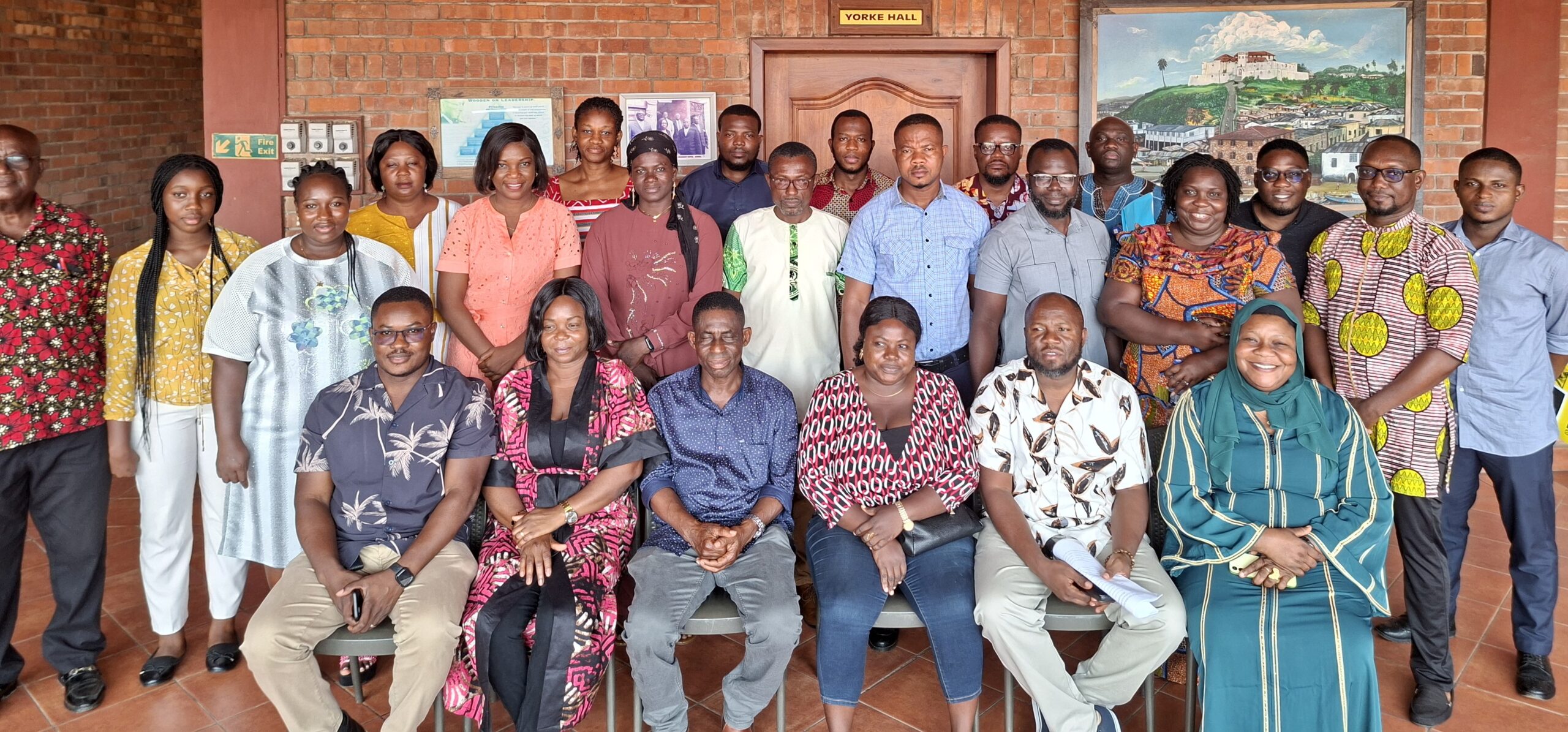
The call was made at a stakeholders’ meeting in Accra convened by the General Agricultural Workers’ Union, where a position paper on investing in agriculture, particularly horticulture, was presented to policy actors and development partners.
Participants noted that although horticulture provided a practical pathway for advancing youth employment, women’s economic participation, agro-processing and regional trade, the sector continued to underperform due to inadequate research and innovation structures tailored to its specific needs.
Dr Paschal Ajongba Kaba, who delivered the presentation, said Ghana lacked a dedicated horticulture research institute despite the sector’s short production cycle, high value per hectare and growing export demand.
“We don’t have an agricultural research institute dedicated to horticulture. We have a unit in the Crop Research Institute, and that makes it difficult to appreciate and prioritise the relevance of the sector,” he said.
Dr Kaba explained that Ghana’s agricultural research architecture had historically evolved by carving out specialised institutes from broader structures when certain commodities assumed strategic importance.
He cited the Savannah Agricultural Research Institute and the Oil Palm Research Institute as examples of bodies that were previously part of the Crop Research Institute but later became autonomous institutions to deepen research and development in their respective value chains.
Dr Kaba said a similar approach was required for horticulture, particularly as the country sought to expand non-traditional exports and strengthen domestic food safety standards.
He said proposals to establish a horticulture research institute had existed since 2016 but stalled following a change in government.
“When a change in government came, the whole process stopped. Yet, as early as then, the need had been identified,” he stated.
Dr Kaba said enhanced research capacity would improve yields, address pest and disease challenges, strengthen planting materials, expand irrigation-driven cultivation and promote value addition to reduce post-harvest losses and improve competitiveness under the African Continental Free Trade Area (AfCFTA).
Source: GNA