

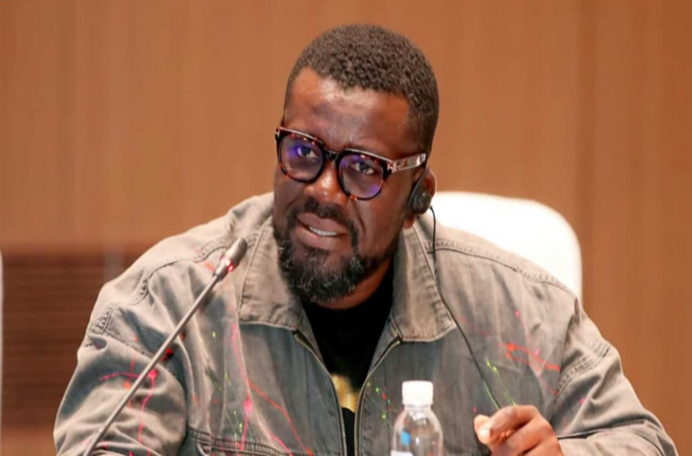
By Fiifi NETTEY
In recent times, a troubling phenomenon has emerged in Ghana and across the world on social media and other platforms where people casually pull out their mobile phones to record videos or take photographs without seeking the consent of those who appear in them. What was once considered basic courtesy has now been sacrificed on the altar of social media trends and online attention creating discomfort for the ordinary person who falls victim.
This practice is not only appalling and invasive; it is a clear abuse of one’s fundamental rights on privacy. No individual should be captured in a photograph or video recording and shared publicly without their knowledge or consent. Yet, in today’s digital age, the urge to go viral, cash-in on content, make some money has made many people careless about the dignity and privacy of others.
These posts on social media and trending content have caused untold harm to many individuals and families worldwide. Reputations are damaged, emotions shattered, and lives disrupted—all because someone decided to record and post without permission to create content and cash-in.
Charles shared his painful experience with me. He was captured in a video that was later posted online without his consent. He was bitter, annoyed, and furious, especially because he had no idea who recorded the footage. What hurt him most was that he was not part of the event being filmed and had nothing to do with it. Although he admitted he was “lucky” to have been properly dressed at the time, he strongly objected to the idea that anyone could record him without permission and circulate the video online.
The actions of the so-called guy whom people claimed from Russia involving some Ghanaian women are deeply troubling. Secretly recording individuals and sharing such videos on social media for profit, without their consent, is a clear abuse of their rights and privacy. It is a disturbing, wicked act, inhumane, and shameful.
It is even more disappointing to see people treating the matter lightly, making jokes, and blaming the women involved. This can happen to anybody. What if your sister of family member was involved would you laugh? Lets try and counsel them if you know any of them because a lot is going on with them.
Everyone has the right to live their lives as they choose. what makes you happy might differ from another person. However, no one has the right to secretly record others in privacy and publish such content without their permission or consent in public. Such conduct is not only unethical, barbaric but potentially criminal. It must be treated seriously, and the appropriate authorities should investigate the matter and ensure justice for the women involved.
In another incident I saw online, a tourist, who was filming despite being cautioned by an official, that recording was not allowed. The warning was ignored, and the individual continued filming live on Facebook, clearly abusing the rights and privacy of others. Such actions should not be taken lightly. These situations demand serious attention, and appropriate measures must be taken against offenders. The practice is becoming far too common, and authorities must act in the interest of the public.
Kweku also recounted his ordeal. According to him, even when you clearly tell people not to record you, some still go ahead. He described an incident at a hospital where a young man was recording a sensitive situation. When Kweku tried to stop him, even threatening to take action, the recording continued. Shockingly, Kweku himself was included in the video, which was later posted online without his consent.
Samuel, on his part, lamented that many families have been torn apart because of video recordings and pictures posted online without permission or consent. In many cases, these images and clips misrepresent the actual situation. Those affected are often not given the chance to explain what truly happened, leaving the public to judge based on incomplete or misleading information posted. This has ruined many lives.
Mensah recounted his ordeal to me with deep frustration. He said he was traveling in a public vehicle and had dozed off, resting his head upright, when someone secretly recorded him because he was snoring. The video was later posted online. Shockingly, it was his own daughter who stumbled upon the video and brought it to his attention. “My brother, this is terrible and devastating,” he said. “How can someone do this to me?”
According to Mensah, social media is taking a troubling turn, and urgent action must be taken to curb such irresponsible and unacceptable behavior.
Mr. Osbert Nii Okaitey Okaitey, an IT consultant, explains that the commercialization of social media is a major reason many people now cross boundaries and violate others’ privacy. Content creation has become a source of income, especially videos and pictures, and posts that attract high views often generate money. This financial incentive encourages some individuals to take photos or record videos without informing those involved. Although many are aware of the laws governing privacy, they still choose to take the risk and face the consequences.
Mr. Okaitey said, in some instances, randomly captured and shared images or videos have helped security agencies track some criminals when the need arises. However, it is important to note that the monetization of social media has significantly altered the dynamics of privacy rights. As a result, people must be cautious in public spaces, especially when unexpected situations occur, and remain alert at all times. Because somebody might be recording or streaming live.
In a conversation with a security analyst who requested anonymity, he explained that in Ghana, secretly recording of individuals may be illegal, depending on the circumstances. He noted that the 1992 Constitution guarantees every person the right to privacy, and recording someone’s private life or conversation without consent can amount to a violation of that right.
He further pointed out that under the Data Protection Act, 2012 (Act 843), images, videos, and audio recordings that can identify an individual are classified as personal data. As such, the collection, use, or sharing of this data generally requires the consent of the person involved. Posting such recordings online without permission may, therefore, be unlawful.
According to the analyst, secretly recording private conversations—particularly phone calls or closed discussions—is generally illegal and may attract criminal sanctions. He added that such recordings may also be deemed inadmissible as evidence in court. While recording in public places such as streets, buses, and markets is not automatically illegal due to lower expectations of privacy, he cautioned that publishing or sharing such recordings online without consent can still breach privacy and data protection laws, especially where the content humiliates, misrepresents, or causes harm to the individual.
In simple terms, he stressed that recording or posting people without their consent—especially in private situations—is risky and may be unlawful in Ghana. Consent, purpose, and context are critical, and the fact that a recording was made in a public space does not automatically make it lawful to publish online.
The international law on, secretly recording people—especially in private settings—is generally considered a violation of the right to privacy. the Universal Declaration of Human Rights (Article 12) states that “No one shall be subjected to arbitrary interference with his privacy, family, home or correspondence, nor to attacks upon his honor and reputation. Everyone has the right to the protection of the law against such interference or attacks.” and the International Covenant on Civil and Political Rights (ICCPR) – Article 17 states that “No one shall be subjected to arbitrary or unlawful interference with his privacy, family, home, or correspondence, nor to unlawful attacks on his honor and reputation. Everyone has the right to the protection of the law against such interference or attacks.”
As our society becomes more digital, the need to respect individuals’ right to privacy has never been more important. Recording and sharing content should never come at the expense of human dignity. Personal boundaries must remain non-negotiable—both online and offline. We must make it a habit to seek permission and obtain consent before posting or going live on social media. Once a reputation is damaged, it is often difficult—if not impossible—to fully restore.
Post Views: 17
Discover more from The Business & Financial Times
Subscribe to get the latest posts sent to your email.