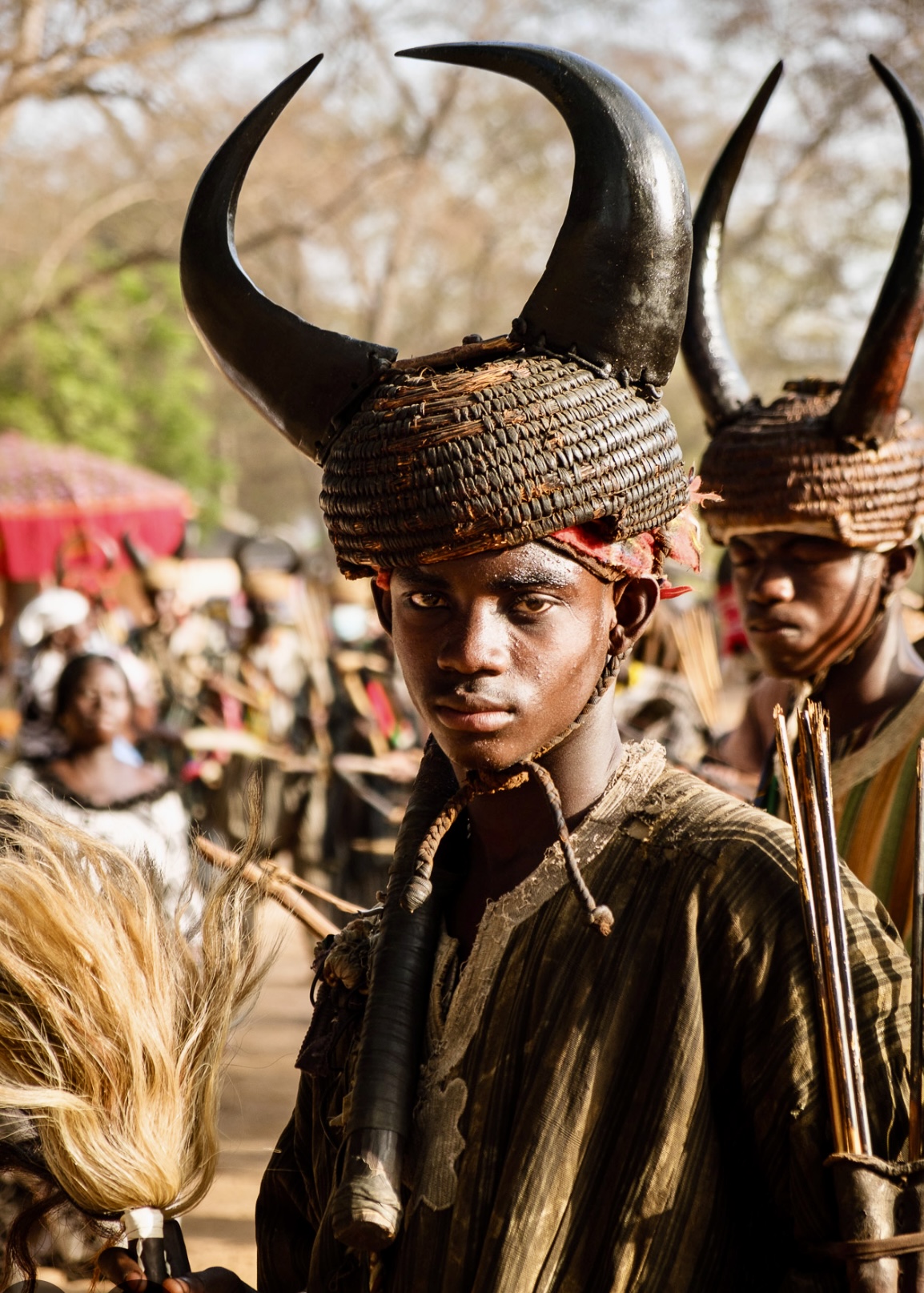
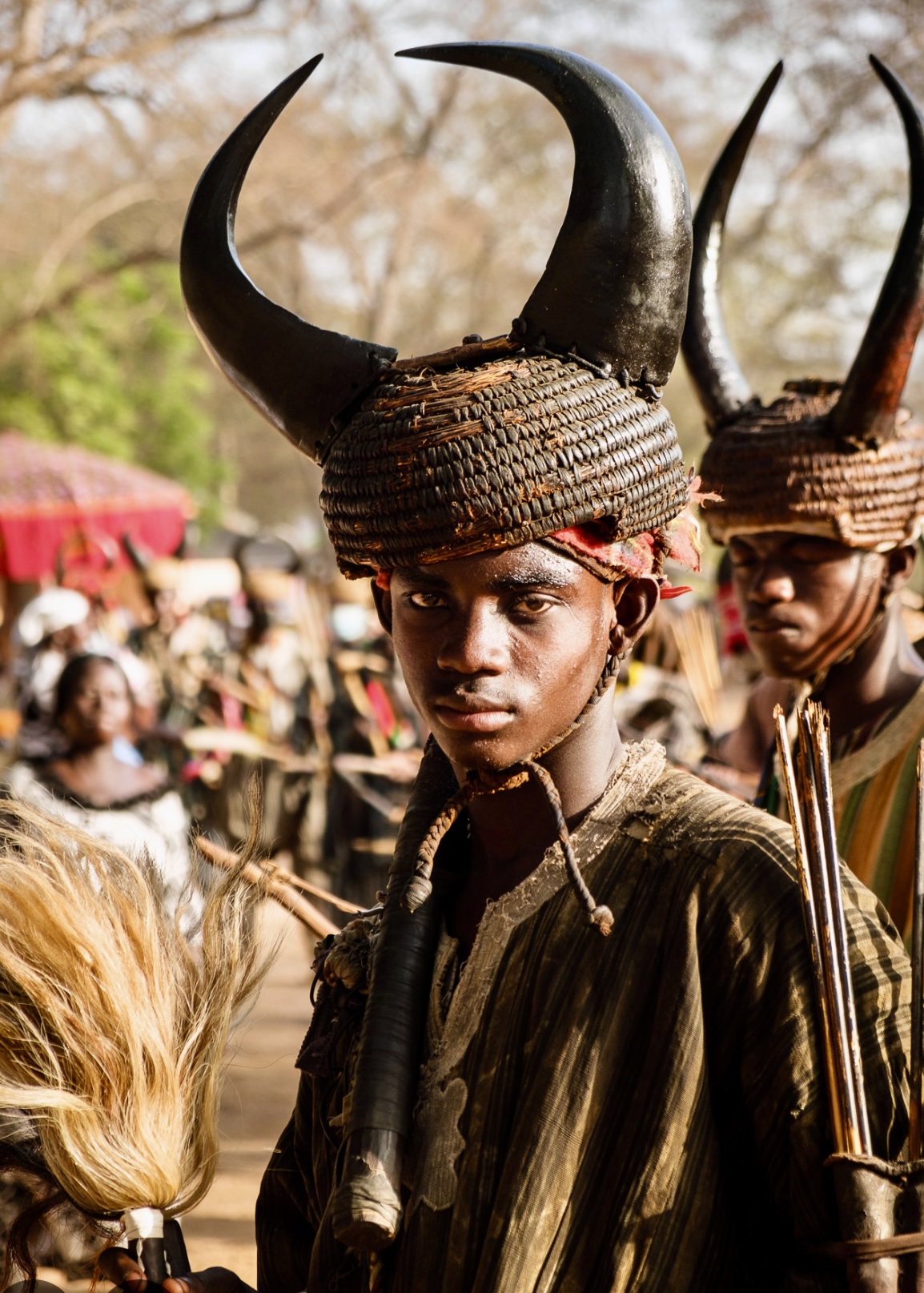

The shared legacy of “resistance and resilience”, integrated in encompassing narratives of the slave camps of the Sahel, down to the slave dungeons along the Gold Coast, shifts the gears of the PANAFEST agenda from a bridge building discourse to a dialogue of reparations and healing.
In the 33 years since its inception in Ghana, PANAFEST, the only consistently produced Pan African rallying event on the continent, has manifested as the bridge that truly reconnects the African diaspora to the motherland.
With its tentacles reaching far beyond the Sahel to the diaspora, its colloquium’s discourse has traced the roots of the African debacle, and continues to embody the debate of the African misadventure through “artistic activism”.
Forging ahead with its global agenda to structure the framework for organising, engaging and advocating a sustainable strategy to address the challenges facing the continent, largely as a result of centuries of direct assault on the bodies, minds and spirits of African people, PANAFEST – the Pan-African Festival of Arts & Culture, is transitioning into its next phase of dialogue; reparations and healing! And this year’s theme turns up the heat; “Let Us Speak of Reparative Justice – Pan‑African Artistic Activism.”
It is scheduled to take place from July 18 to August 2, and as always, the festival will feature a blend of traditional and contemporary performances, showcasing the evolution of African artistic expression.
Aware of the role played in the narrative of forced capture and enslavement of indigenes, including those residing in the Sahel regions of northern Ghana, – the stories of incessant raids, capture and resistance to the antics of the infamous Slave Raiders and Warlords like Samori & Babatu Zato, and the various slave camps and markets at Pikworo and Salaga – and in order to set the records straight and promote healing, the PANAFEST Foundation has now made the Northern Pilgrimage an integral part of the festival and Emancipation Day Celebration.
This is done in collaboration with the Ghana Tourism Authority (GTA), under the auspices of the Ministry of Tourism, Culture and Creative Arts.
One of Ghana’s front burner contributions to building an understanding among Africans across the world, this year’s theme is in acknowledgement of the fact that the issue of reparations is being prioritised by the heads of state of African and Caribbean countries.
PaJohn Dadson breaks down the key aspects of the narrative, and says, that shared legacy of “resistance and resilience” is what makes PANAFEST so poignant.
“Riddle! Riddle! The front entrance to my ancestral home has a door so low that I have to bend before I enter it.”
Chairperson of the PANAFEST Foundation and daughter of the Founder of the festival, Prof. Esi Sutherland-Addy, has the answer to this riddle; but first asks: “Have you ever wondered why the entrances to most of traditional homes in northern Ghana are so low?
Now, here’s her response: it is so as a security measure against slave raiders. A means to slow them down when they came to capture occupants and send them off to the slave market to put them up for sale.
Babatu, or Baba Ato, was a Zarma military leader and jihadi warlord over the Zabarma Emirate in the late 19th century. Originating from Indougou (N’Dougou) in modern day Niger, Babatu became the ruler of the Zabarma Emirate in 1878 after the death of the former ruler, Gazari. Babatu was a slaver who conducted many raids on villages in the Sahel region and fought against Sandema warriors in what today is part of modern Ghana.
In 1887 his forces raided Wa, the capital of the Kingdom of Wala and caused much of the population to flee the area. He would send his captives to camps at Pikworo, and then to the market in Salaga in northern Ghana, where they would be displayed for sale to middlemen who trekked southward with them to another market at Assin Manso.
It is here at Assin Manso, in the district that the captives, after several days of walking through wildernesses, would be made to settle by the river subsequently named Ndonkonsuo (Slave Stream), where they would have some respite and their last bath on African soil, and freshened up for another auction sale to European buyers who would have come from the coast.
It is these Europeans who, having been welcomed and warmly received by the indigenous people, built their trading posts – fortifications which they called forts or castles – in places like Keta, Cape Coast, Elmina, Axim and other locations along the coast. They later turned these fortifications into places where they would hoard and hold the captured men and women, later setting them onto ships that took them to far away places across the Atlantic Ocean to serve as chattel slaves never to be returned!
It is this legacy of these trading posts that have today rendered them to become UNESCO World Heritage Monuments, like the Elmina Castle, often also referred to as “slave castle”. But these are no “castles”!
“It is time to change the name of the once Cape Coast/Elmina castle to “Slave Dungeon” as was last left for the people of Africa. It is now a sacred place to respect as the departure point for the painful separation of families, the scars with which the world is living at the moment,” notes Cultural Activist and Founder of the Pan African Heritage Museum, Kojo Yankah, a multifaceted individual with a profound passion for Africa’s history and culture. A pioneer lead of the PANAFEST Foundation, and the Ghana Heritage Conservation Trust, his is to correct historical narratives and ensure that Africa’s story is told from an African perspective.
As Prof. Sutherland-Addy puts it: “The silences are loud and oppressive. Healing begins with communication. The narratives must be unearthed and told for words like reparations, atonement and justice to even begin to make sense”.
Held every two years for Africans and people of African descent, PANAFEST has long sought to put the torchlight on Africa’s “misadventurous encounter” with Europeans that resulted in profound injuries and inequalities that have largely gone unmeasured and untreated, from the trans-Atlantic human trafficking and enslavement of African indigenes, to colonialism, apartheid and genocide!
“This pilgrimage to the north and back down to the south (during PANAFEST in Ghana) is necessary to capture the totality of the experience in order to fix the narrative to reflect our own experience of resistance, resilience and triumph. The truth of the African experience must be told by the African. It is the lions ‘Time’ to interpret his own roar. The hunter’s tale has prevailed long enough,” articulates Rabbi Kohain Nathan Yah Halevi, Executive Director of the PANAFEST Foundation.
Post Views: 790