

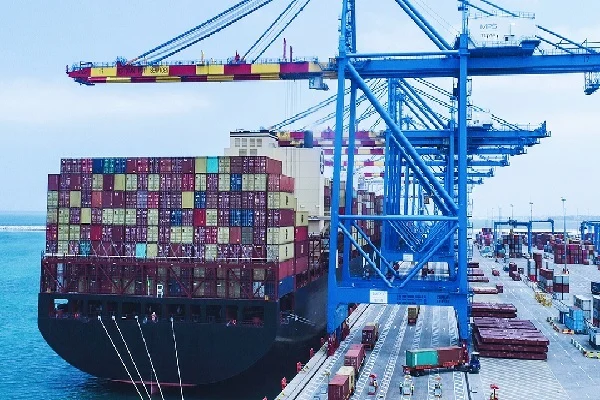

The Ghana Shippers’ Authority (GSA) has moved to safeguard local businesses and consumers following the imposition of War Risk Surcharges (WRS) and emergency conflict surcharges by international shipping lines after the escalation of hostilities involving the United States, Israel, and Iran.
The conflict has disrupted maritime traffic through the Strait of Hormuz, forcing vessels to reroute via the Cape of Good Hope and raising shipping costs.
The GSA, in a statement, clarified that all surcharges are imposed by shipping lines, not local authorities, and reiterated its regulatory mandate to ensure fairness in the sector.
“It must be clearly stated that the Ghana Shippers’ Authority has not and does not impose surcharges on shipments on behalf of shipping lines,” the Authority said in the official statement dated March 11, 2026.
Shipping lines have introduced surcharges ranging from US$1,500 to US$2,000 per Twenty-Foot Equivalent Unit (TEU), with additional charges for 40-foot containers and refrigerated cargo.
While these measures are designed to cover elevated insurance premiums, security costs, and operational risks, early reports in some quarters suggest that some lines imposed surcharges even before the conflict escalated, prompting regulatory scrutiny.
The Authority noted that it has received numerous complaints from importers and exporters.
“The Authority has been inundated with social media reports of the imposition of war risk surcharges even before the conflict in the Middle East broke. This is currently being investigated, and we assure the shipping public that where there are breaches and unfair treatments, we would forcefully address them,” it said.
The Authority also clarified that its oversight extends to the regulation of shipping service providers’ charges to reduce the cost of doing business for Ghanaian companies and protect local consumers.
The situation has broader implications for Ghana’s import-dependent economy. With shipping lines rerouting vessels and introducing surcharges, freight rates and landed costs are rising, particularly for goods originating from Asia and the Middle East.
Longer transit times, delayed vessel availability, and fluctuating fuel prices further complicate logistics planning for local businesses.
To mitigate these risks, the GSA advised shippers to engage proactively with shipping lines and logistics providers regarding freight rates and surcharges as well as factor potential shipping delays and cost adjustments into commercial contracts and operational planning
The Authority further called for a review of insurance arrangements to ensure adequate coverage against geopolitical and operational risks and monitoring of developments in global shipping routes and fuel prices
The GSA stressed that it will continue monitoring developments in the Strait of Hormuz and global maritime trade, providing timely updates to support the shipping and logistics sector.
“Importers and exporters should remain vigilant and plan strategically to navigate the evolving situation,” the GSA added.
Post Views: 1
Discover more from The Business & Financial Times
Subscribe to get the latest posts sent to your email.